Call Us 📞 800-323-3130

Mon–Fri 8am–6pm CST, Sat–Sun 9am–1pm CST

Free design consultations

Showrooms in Miami & Fort Lauderdale

blog category

Wood wine cellars

Discover expert guidance on wood species, custom wine rack designs, cellar construction, cooling solutions, and timeless storage ideas for your wine collection.


10+

Years in Business

500+

wine cellars completed

80+

wine cooling Guides

Jul 2026

last updated
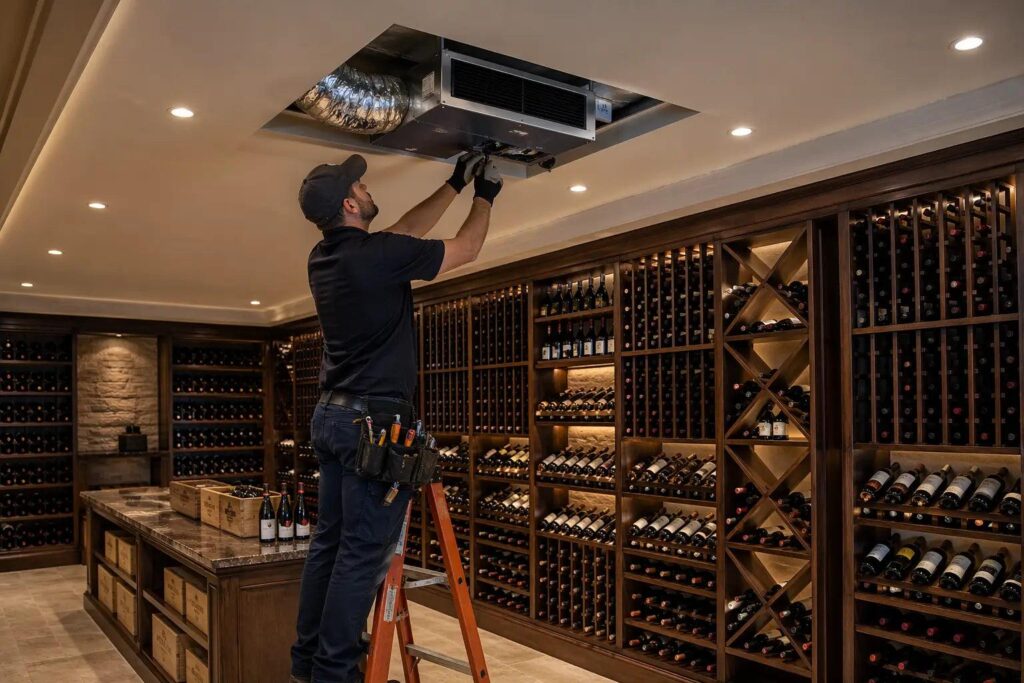
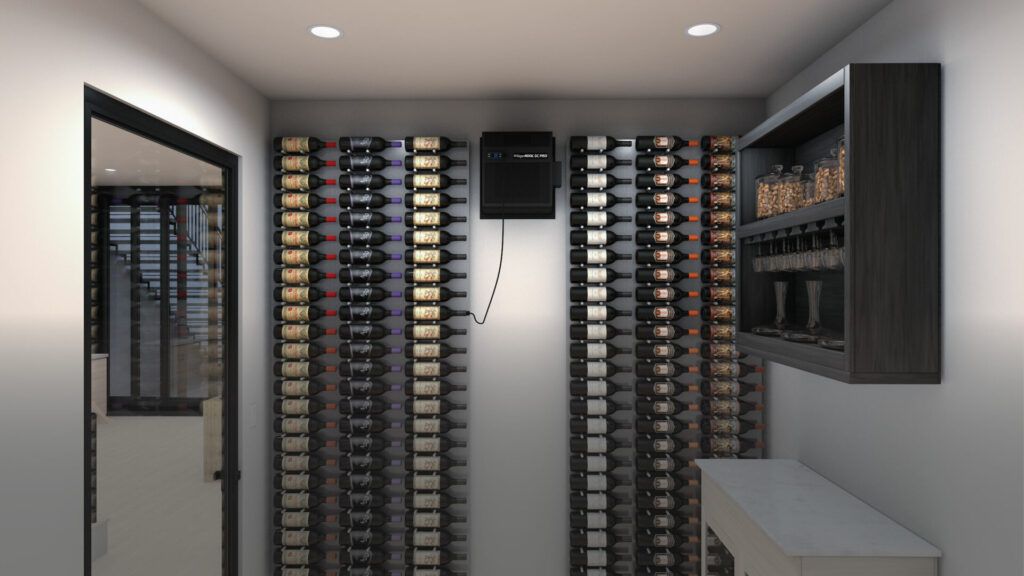
Platinum wine, wine splits, platinum cool, split of wine, platinum system, platinum systems, ductless wine cellar cooling units, ductless wine cooling systems, cooler split, wall hung wine cooler, whisperkool 4200, mini split distributor, small cooling units, wine room air conditioner, whisperkool mini ceiling mount, wine closet cooling unit, whisperkool 4000,self contained mini split, ductless cooling system, wine cellar refrigeration split system, mini split ac condenser, mini split condenser in attic, cooler split, 220v mini split,

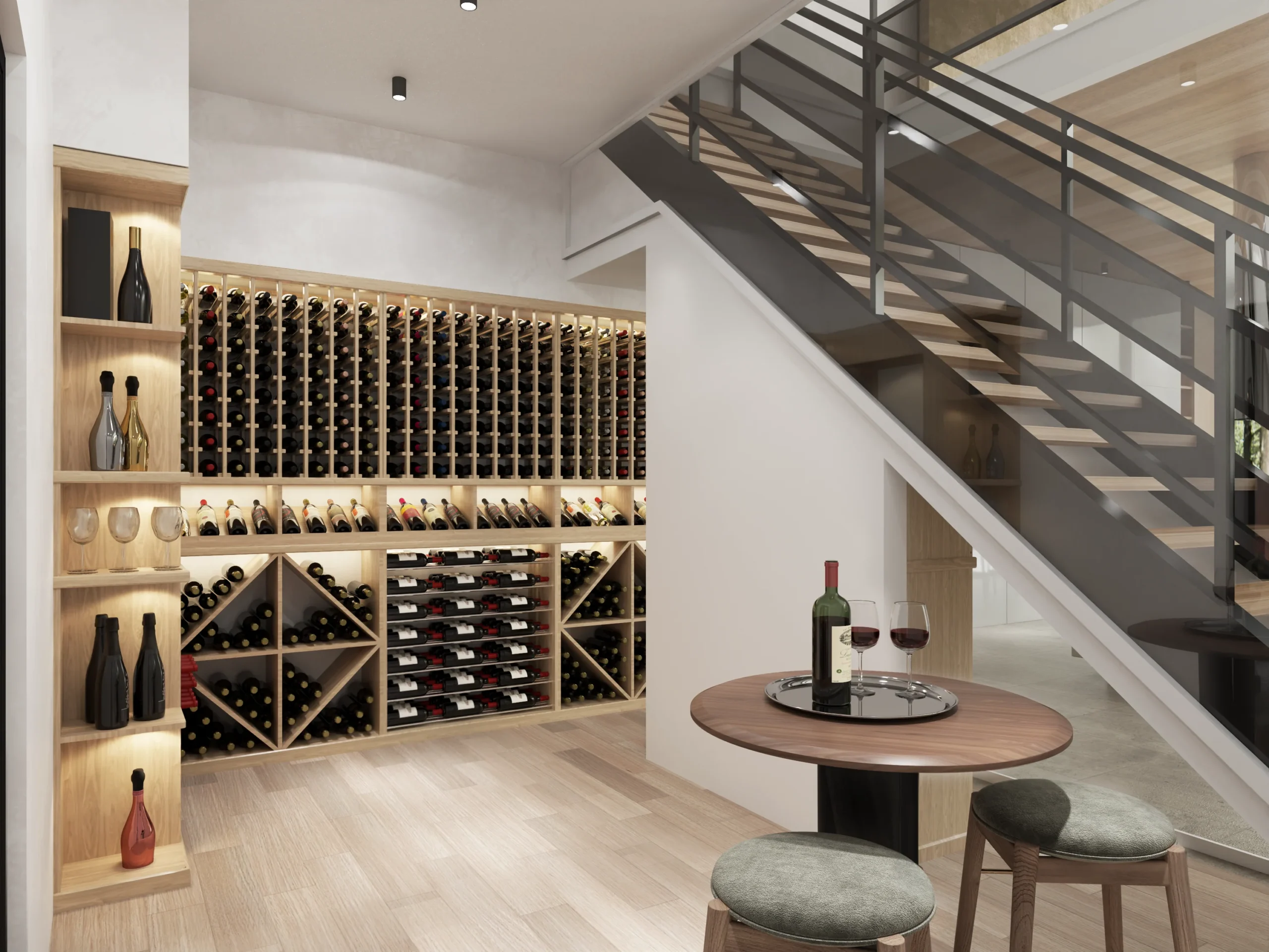
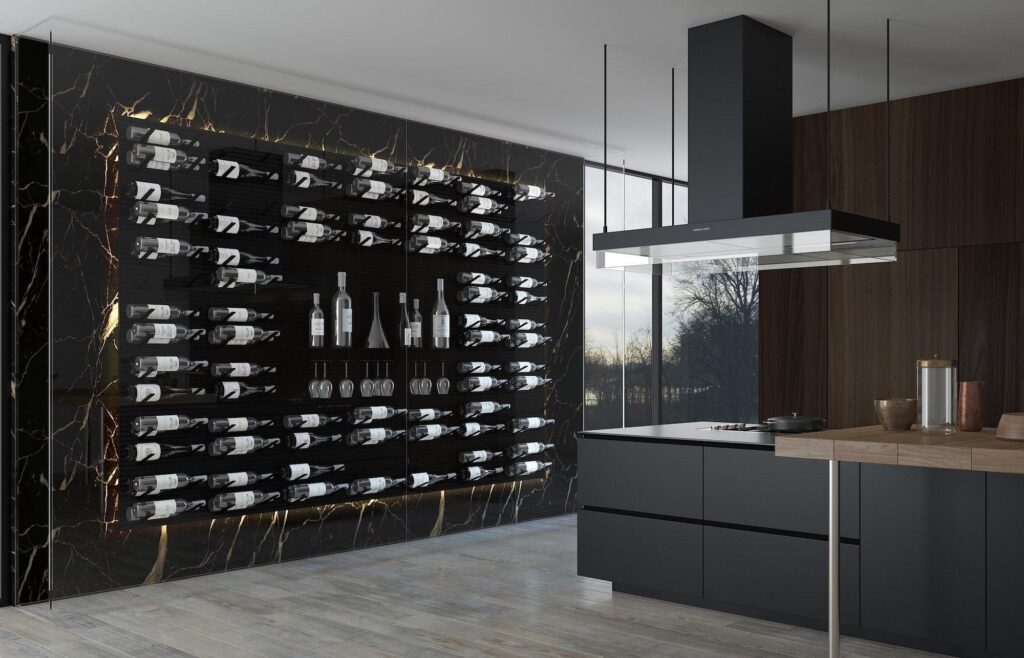
Many homeowners assume they need a large basement or dedicated room to store wine properly. In reality, today’s custom wine cellar designs can transform surprisingly small or unused spaces into beautiful, climate-controlled storage.

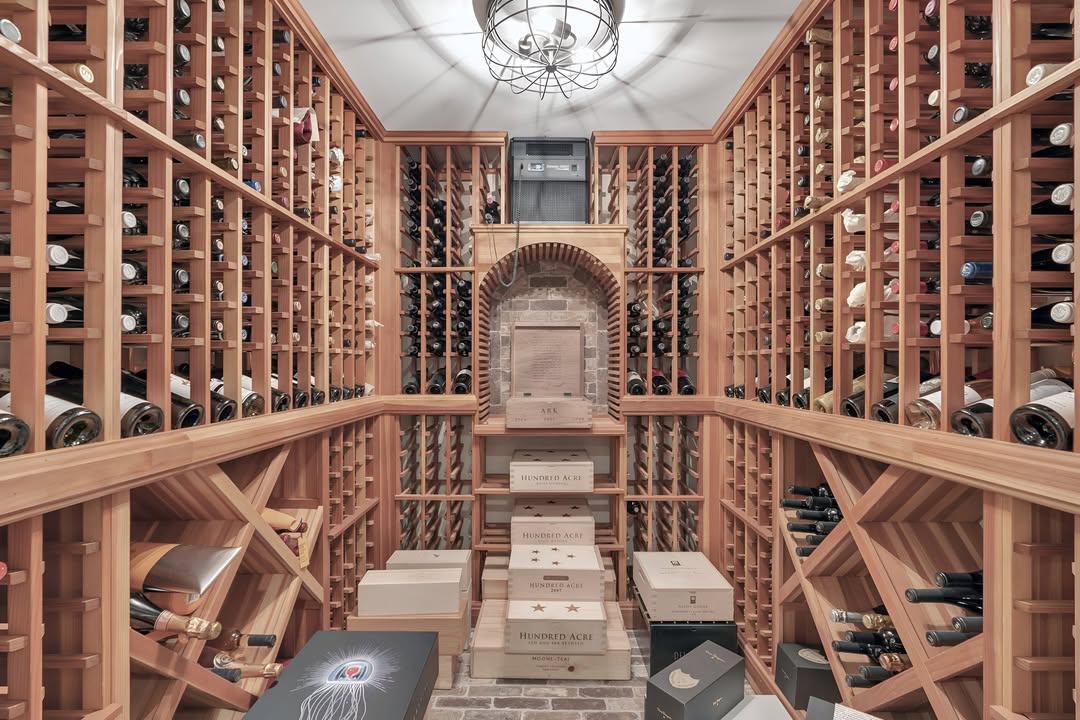
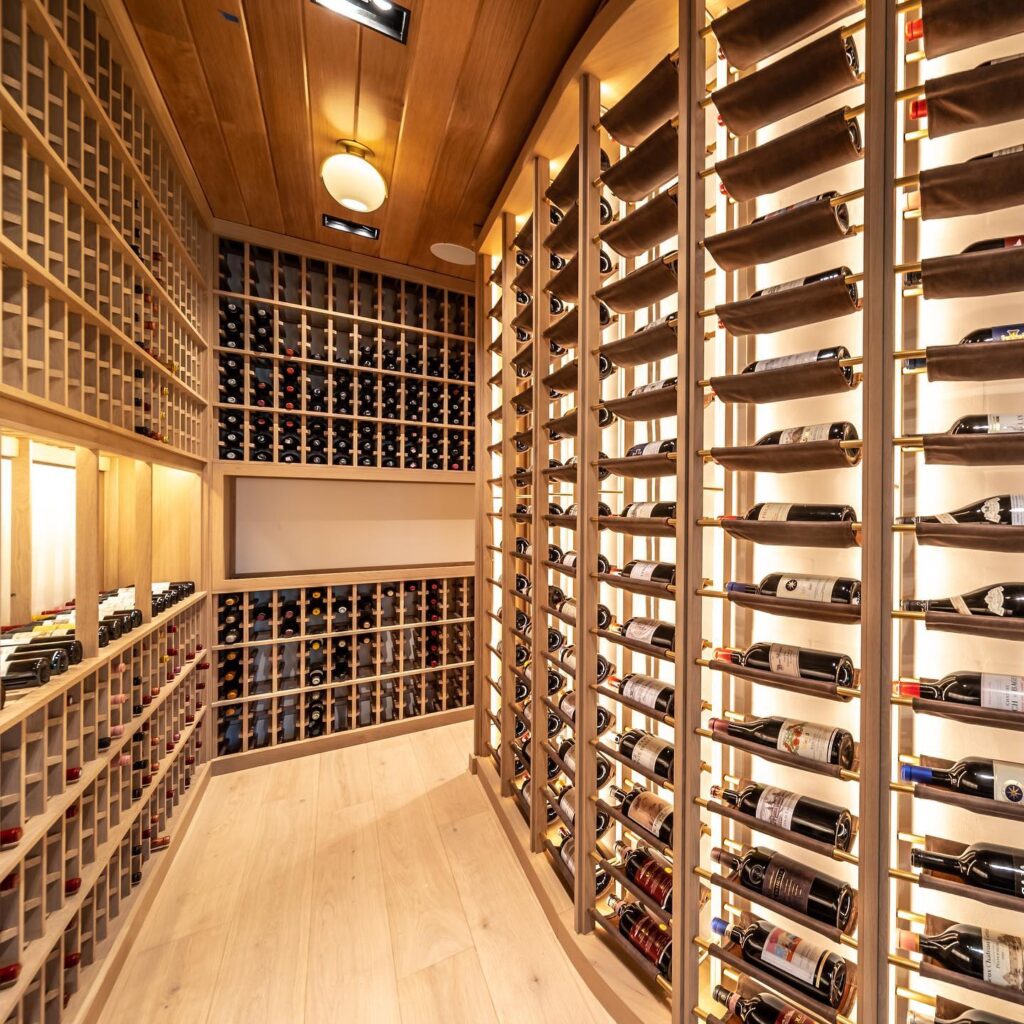
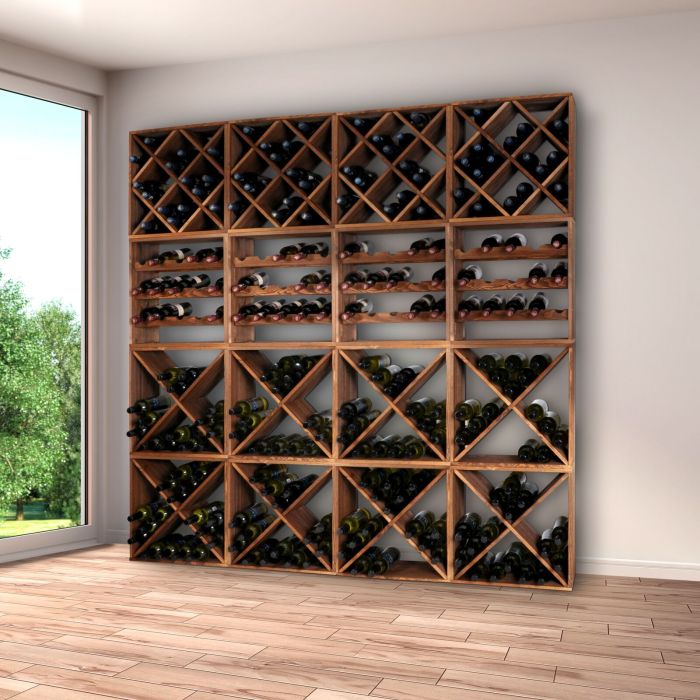
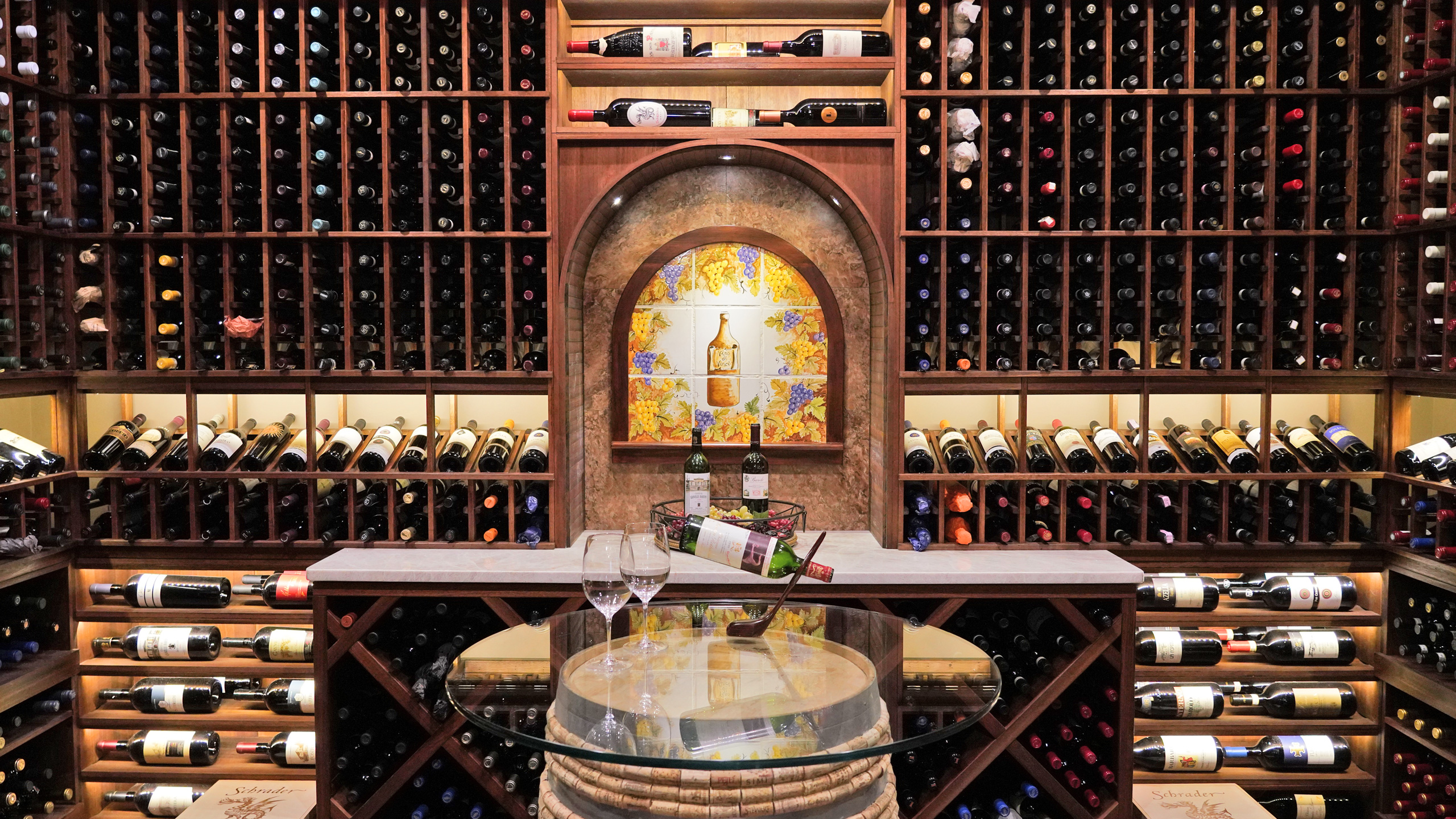
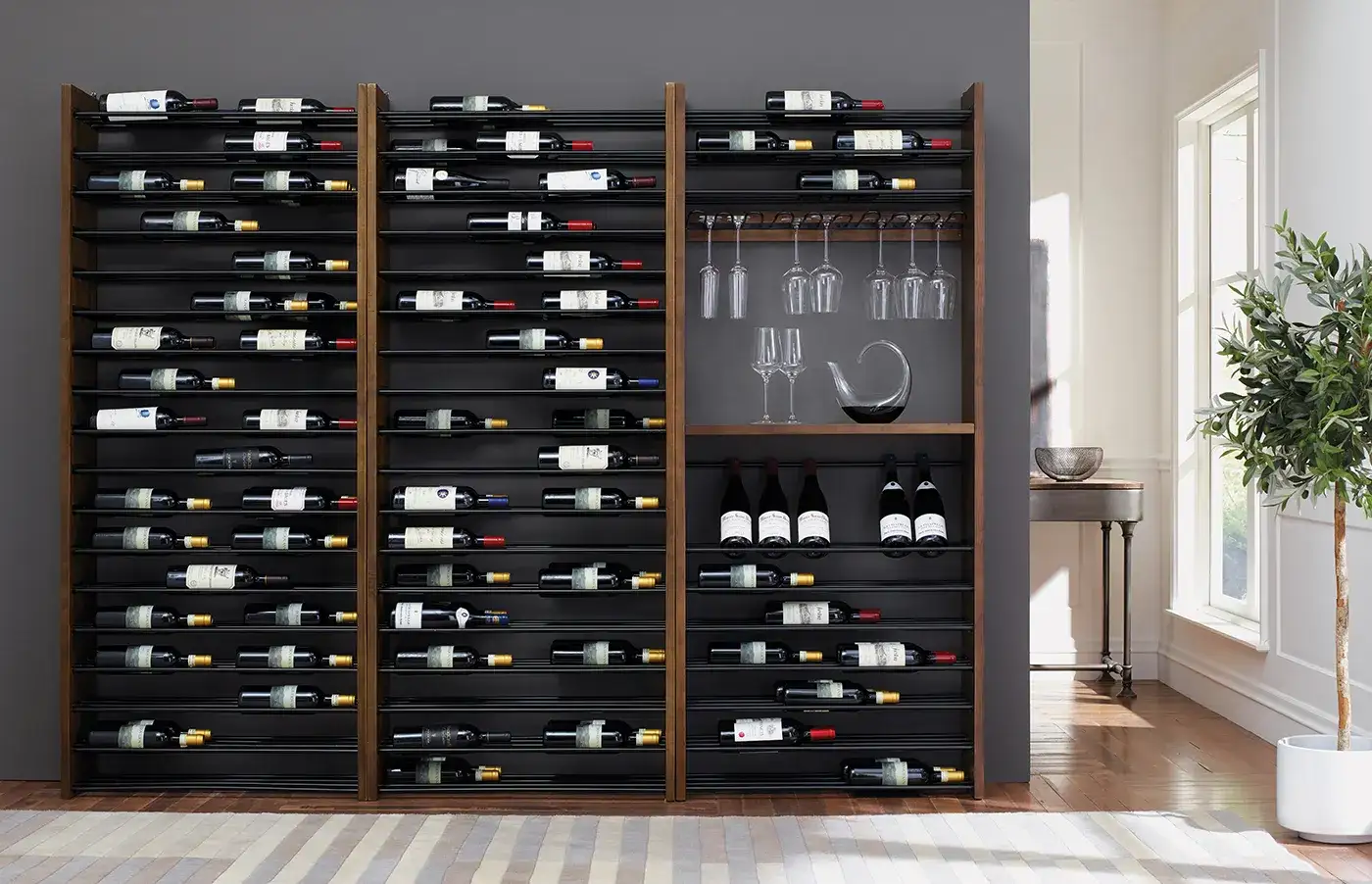
Wood Wine Racks, Classic LVG, Wood Wine Racks, Wood Racks, Wood Wine Shelves, Wood Wine Racking, Unique Wood Wine Racks, Floor to Ceiling Wood Wine Racks
Beyond the Catalog

Need something the catalog doesn't cover?

We build custom solid wood wine racks.

Every kit and freestanding piece above can be adapted — or we’ll design a rack system from scratch to fit an odd-shaped cellar, a specific bottle count, or a wood species and finish you have in mind.

Frequently asked questions

Solid wood wine racks are storage systems made from natural hardwoods or softwoods designed to securely hold wine bottles horizontally for proper aging and display.

Solid wood rack offers superior durability, stability, and a timeless aesthetic. They also blend seamlessly with traditional and modern interiors while providing long-term reliability.

Popular wood options include redwood, mahogany, oak, and pine. Redwood and mahogany are preferred for premium cellars due to their resistance to moisture and decay.

Yes. Solid wood provides structural stability and helps maintain proper storage conditions, making it ideal for long-term wine aging.

Yes. They store bottles horizontally to keep corks moist and prevent air from entering the bottle, preserving flavor and aging potential.

Yes. Solid wood racks can be customized in size, finish, configuration, and capacity to fit any wine cellar layout or design preference.

With proper installation and maintenance, solid wood racking can last for decades due to their natural durability and resistance to wear.

High-quality woods like redwood and mahogany perform well in humid cellar environments and resist warping, rot, and mildew.

Yes. While traditionally used in classic designs, wood racks can be stained or finished to complement modern and transitional spaces.

Minimal maintenance is required. Occasional cleaning and proper humidity control help maintain their appearance and structural integrity.

Yes. Many systems are modular, allowing you to expand storage as your wine collection grows.

Solid wood racks come in a range of capacities—from small countertop units to large custom cellars storing hundreds or thousands of bottles.

Wood is a natural insulator and poor conductor of heat, helping maintain stable conditions within the cellar.

Yes. Wood is a renewable material, especially when sourced responsibly, making it a sustainable choice for wine storage.

Smaller modular racks can be DIY-installed, but larger or custom cellar installations typically require professional installation.

They are available in natural, stained, or lacquered finishes to match your cellar design and décor.

Yes. Their strength and stability make them ideal for storing large and heavy wine collections over time.

Yes. They enhance both functionality and visual appeal, creating a high-end, built-in look that can increase property value.

Yes, they can be used in kitchens, dining areas, or bars, but should be kept away from direct heat, sunlight, and excessive dryness.

Their craftsmanship, durability, natural beauty, and ability to support proper wine storage make them a preferred option for serious collectors and designers.