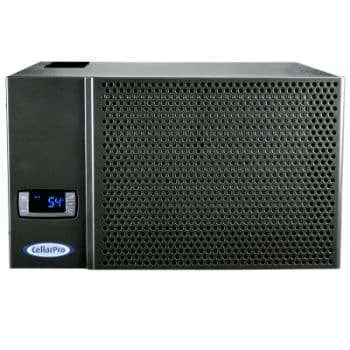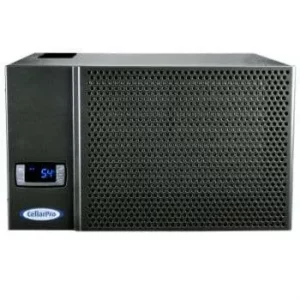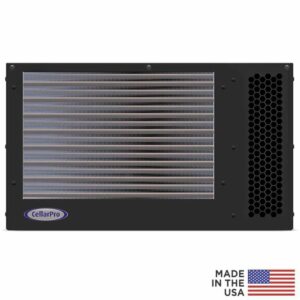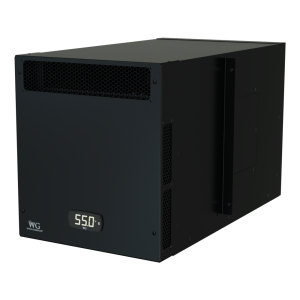
Through the Wall Wine Cooling Systems

We offer the best through-the-wall wine cellar cooling units, ensuring your wine is stored at the perfect temperature. Our expert team provides free heat load calculations and personalized assistance to help you choose the ideal cooling unit for your wine cellar. With our top-of-the-line products and exceptional service, you can trust us to keep your wine collection at optimal levels for preservation and enjoyment.

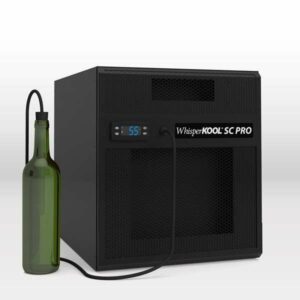
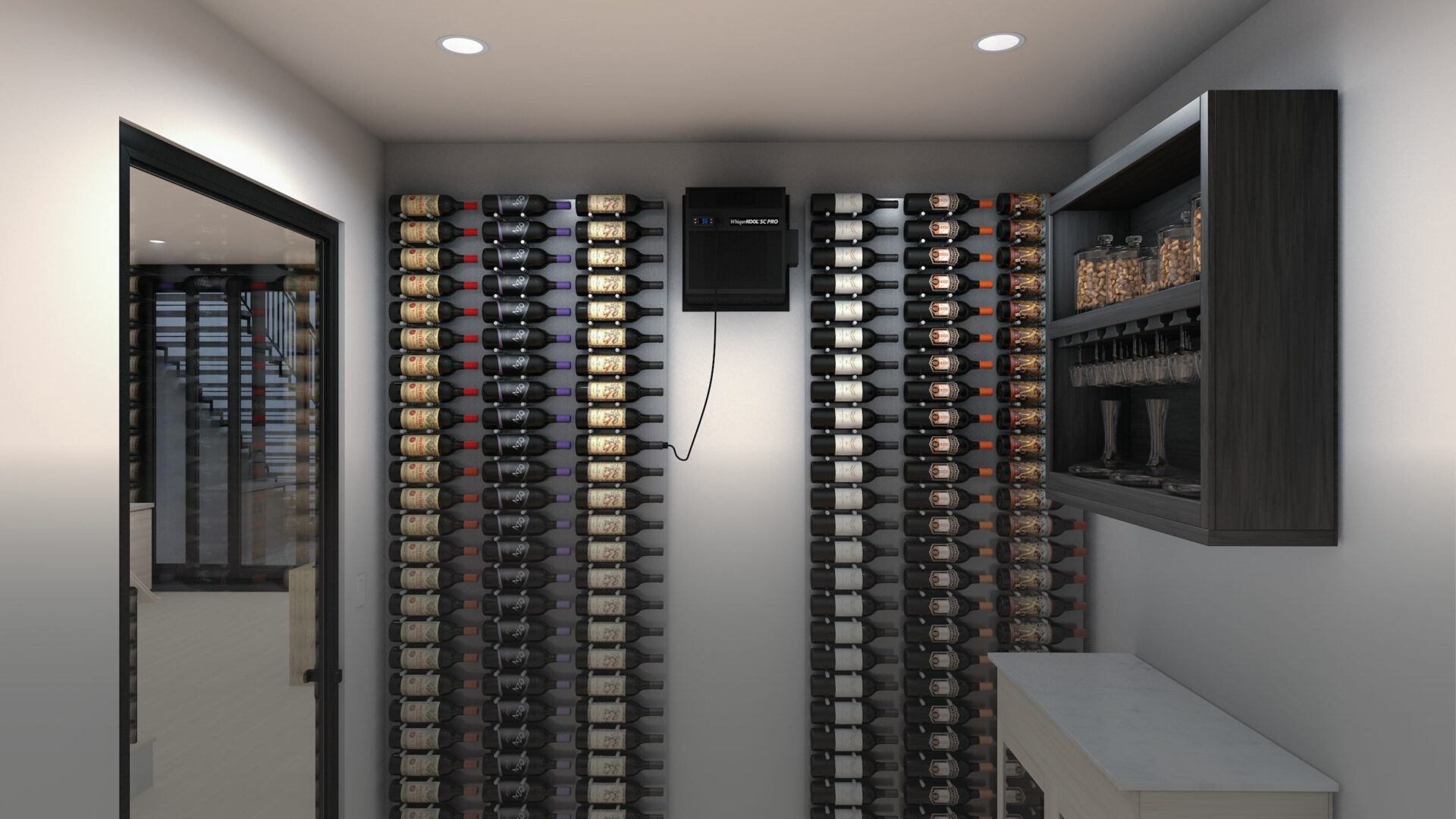
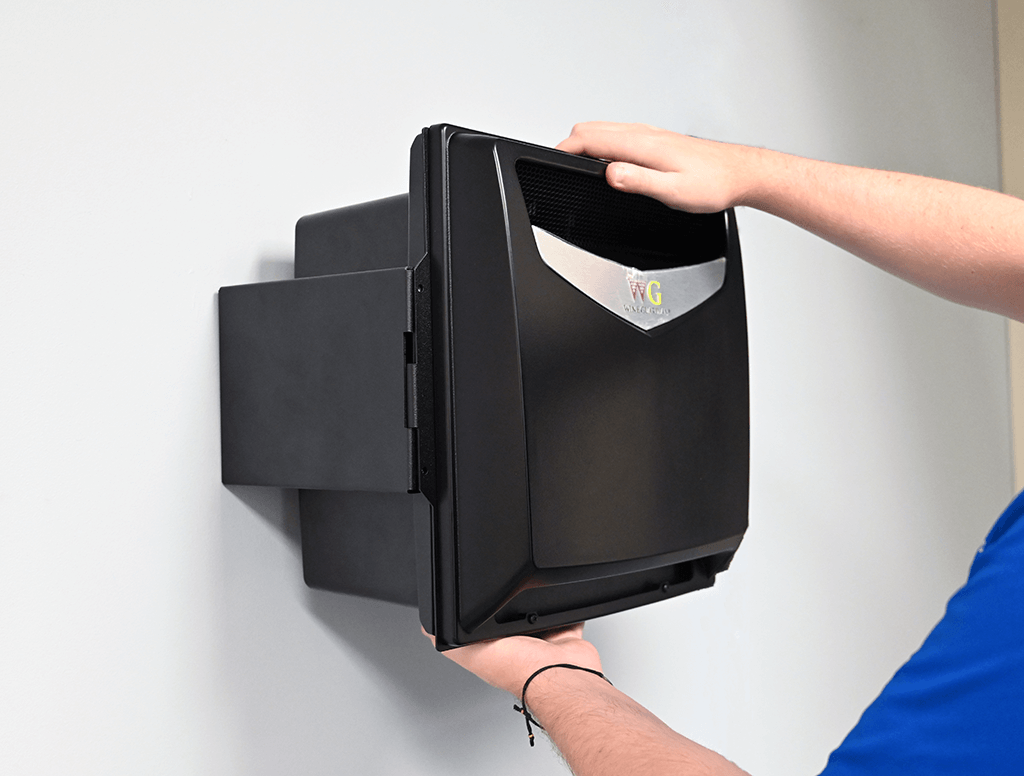
Through-the-wall cooling units are compact, self-contained systems that circulate air within the wine cellar and expel heat from the rear. These units are the most budget-friendly choice for many wine collectors, as they occupy less space compared to split systems. Typically, all-in-one units need a power source and a designated area for draining condensate.

Call Our Experts:
800-323-3130

All Our Consultants Have
Over 10 Years Experience

explore through the wall cooling units

Explore Wine Cellar Cooling Brands

​Flexible Wine Cooling Units

Cool Wine Cellar offers highly adaptable systems designed to cater to a wide range of wine storage needs. Their top-tier through-wall, ducted, and split systems adhere to the most rigorous industry standards.

Every unit is crafted to commercial-grade excellence, proudly made in the United States. And comes with an extensive selection of features and customizable options.”
  • Easy to install, HVAC not required
  • Electric heater and exhaust options
  • Easy to read display with Precise Temperature Controll temperature for aging your wines.
  • Space-Saving Design
  • Quiet Operation
  • Energy Efficiency
  • Reliable Construction
Frequently Asked Questions
Certainly! Here are some frequently asked questions (FAQs) about through-the-wall wine cooling systems:

A through-the-wall wine cooling system is a special refrigeration unit made to maintain optimal temperature and humidity conditions within a wine cellar or storage area. It is installed through an exterior/interior wall and helps preserve the quality of wine by providing a stable environment.

A through-the-wall wine cellar cooling unit works by pulling warm air from inside the wine cellar through its evaporator coils, where the heat is absorbed. The cooled air is then pushed back into the cellar while the absorbed heat is expelled outside through a condenser coil on the exterior side of the cellar. This process regulates the temperature and humidity inside the cellar to create optimal storage conditions for wine.

Through-the-wall units are best suited for small to mid-sized wine cellars, typically up to around 2,000 cubic feet depending on insulation, glass exposure, and heat load

Yes. Most units are designed to fit between standard wall studs and can be installed without a licensed HVAC technician. They are often considered one of the easiest wine cooling systems to install

Yes. Proper ventilation is critical. The exhaust side must vent into a large, well-ventilated room or outdoors. Poor ventilation can cause heat buildup and reduce system efficiency.

Yes, they produce noticeable noise because all components (compressor and fan) are housed in a single unit inside the wall. They are generally louder than split or ducted systems.

  • Affordable compared to other systems
  • Simple, plug-and-play installation
  • Compact, all-in-one design
  • Reliable for small to medium wine cellars

These benefits make them a popular choice for residential wine storage.

  • Visible unit in the cellar (less aesthetic appeal)
  • Noise from internal components
  • Limited capacity for large cellars
  • Requires proper exhaust space

These limitations are important when planning a high-end or large wine cellar.

They can typically be installed on interior or exterior walls, as long as there is adequate space for ventilation and the unit fits between wall studs.

Most through-the-wall systems are designed to maintain temperatures between 50°F and 65°F and proper humidity levels for long-term wine storage, helping preserve wine quality.

Yes. Routine maintenance includes cleaning filters, ensuring proper airflow, and checking that the exhaust area remains unobstructed to maintain performance and efficiency.

With proper installation and maintenance, these units typically last around 8–12 years, depending on usage and environmental conditions.

Yes, but glass increases heat load. You may need a higher-capacity unit to maintain stable temperature and humidity levels.

Choose this system when:

  • You need a cost-effective solution
  • Your cellar is small to medium in size
  • Easy installation is a priority
  • Noise and visible equipment are not major concerns

Call Us 800-323-3130