What Are the Best Practices for Sealing Penetrations in a Wine Room Envelope?
Book an appointment Request free design Free Heatload Calculation A properly constructed wine room is more than an attractive space filled
Call Us 📞 800-323-3130
Mon–Fri 8am–6pm CST, Sat–Sun 9am–1pm CST
Free design consultations
Showrooms in Miami & Fort Lauderdale
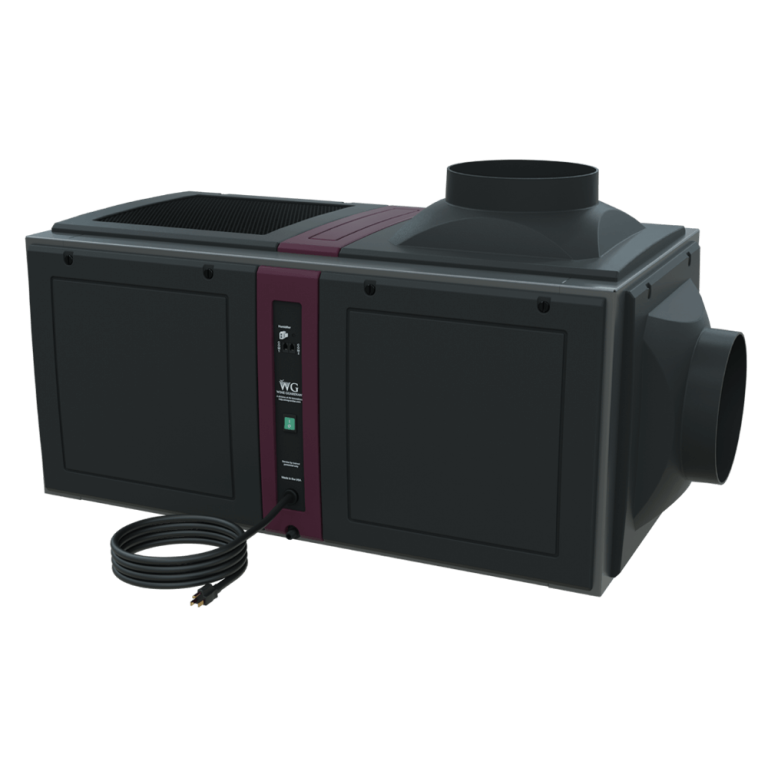
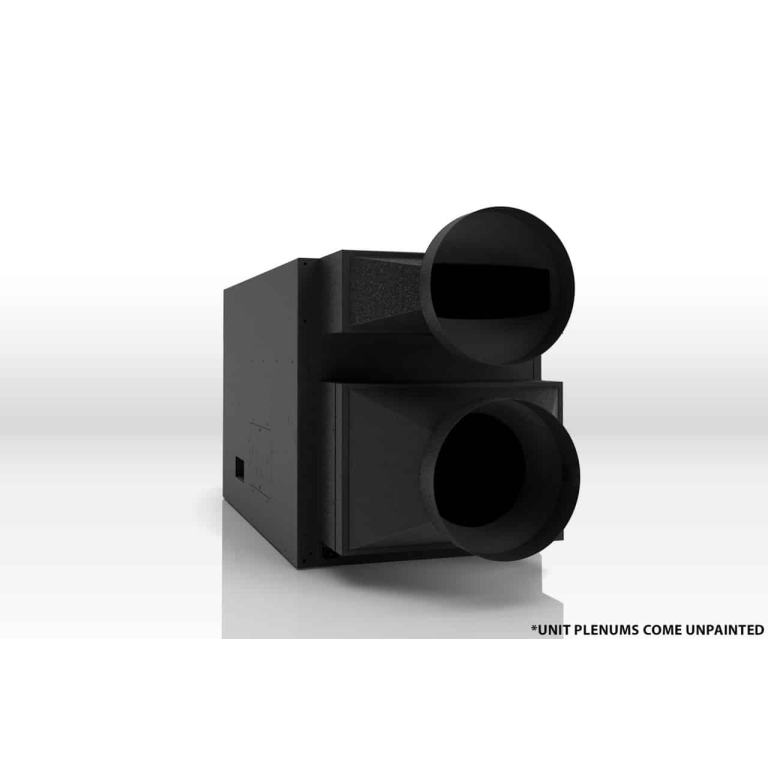
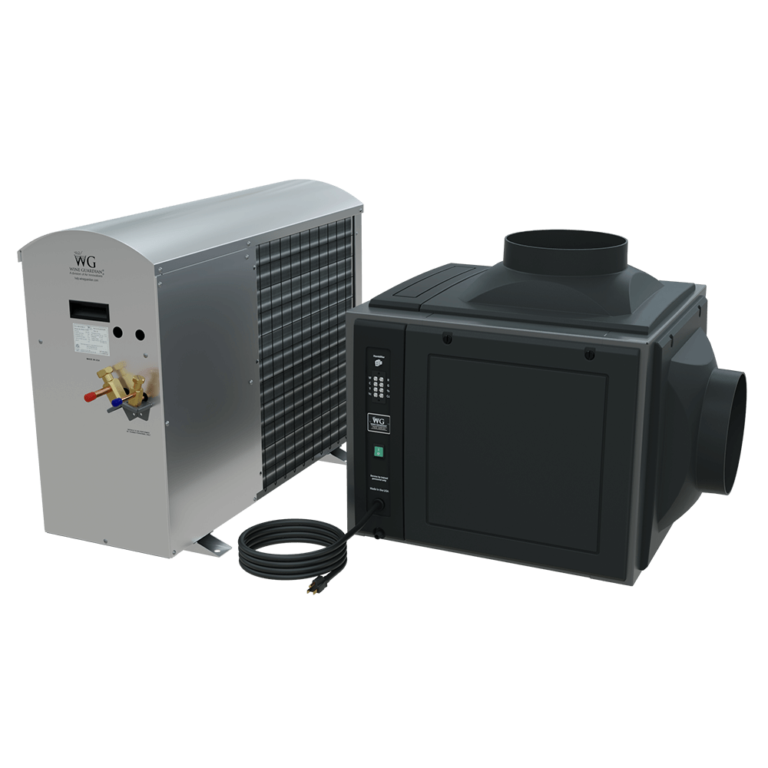
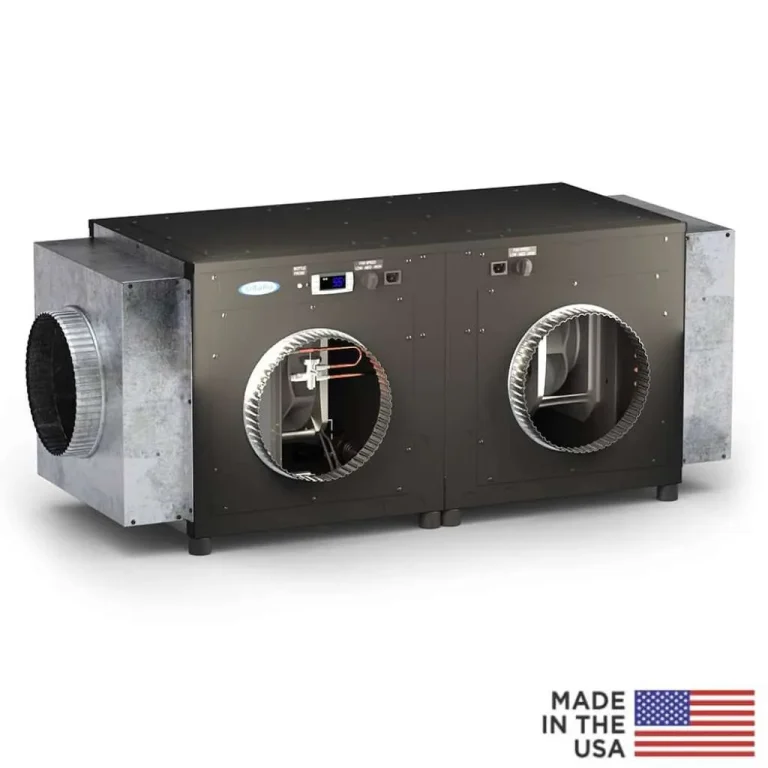
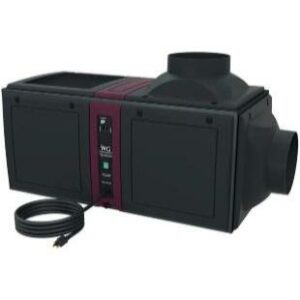
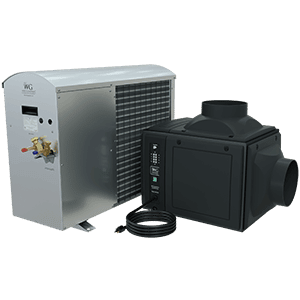
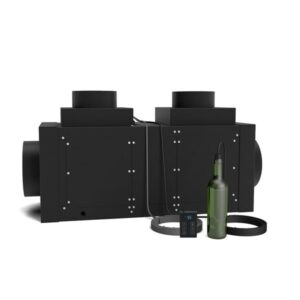
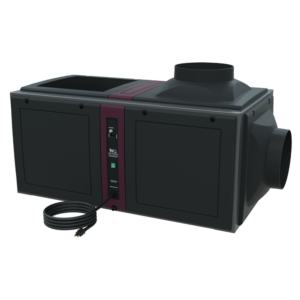
Ducted wine cellar cooling systems provide quiet, flexible temperature control while allowing the cooling equipment to be installed away from the wine storage area. The system uses insulated ductwork to distribute conditioned air throughout the cellar, making it an excellent solution for larger, custom-designed, or architecturally challenging wine rooms.
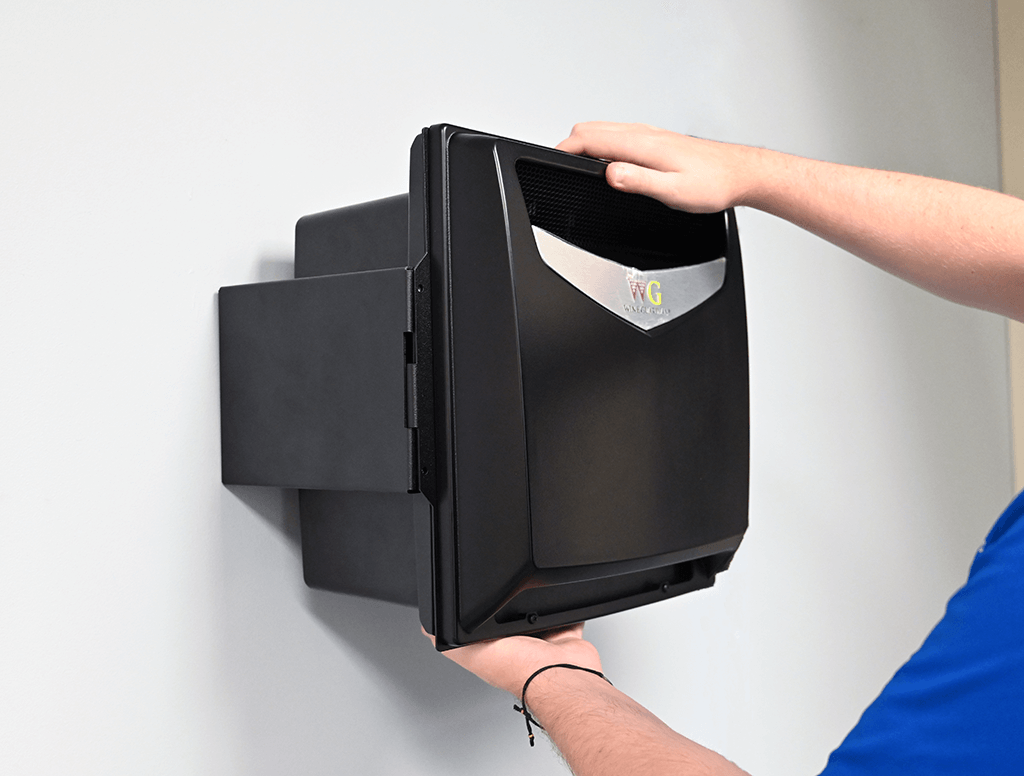
Ducted wine cellar cooling units are designed to provide consistent temperature control while keeping the cooling equipment out of the visible wine cellar space. Conditioned air is delivered through properly sized and insulated ductwork, allowing greater flexibility in equipment placement and cellar design.
Best Reliability
Residential & commercial
Built-in humidifier option
5-year warranty
Starting from $2,950
Innovative
Ultra-quiet operation
Ceiling-mount option
Compact form factor
Starting from $3,415
Cost Effective
Less expensive
User friendly & Easy Installation
Compact form factor
Starting from $2,155
Call Our Experts:
800-323-3130
All Our Consultants Have
Over 10 Years Experience
Our wine cellar experts are ready to assist in finding the ideal wine-cooling unit for your cellar. Just tell us the style, size, budget, and cellar details – we’ll handle the rest.


Most homeowners — and unfortunately many contractors — size a cooling unit off room area alone. That approach ignores the variables that actually determine how hard a compressor has to work, and it’s the single biggest cause of oversized, undersized, and short-cycling wine cellar cooling systems.
“My room is 200 sq ft, so I need a 5,000 BTU unit” ignores everything that actually drives heat gain into the cellar.
A proper heatload calculation measures the actual thermal load your cellar generates, in BTU/hr — the only number a compressor cares about.
Ceiling height changes total air volume even when the floor space stays the same.
Wall, ceiling, and vapor barrier quality determine how much heat penetrates in cellar.
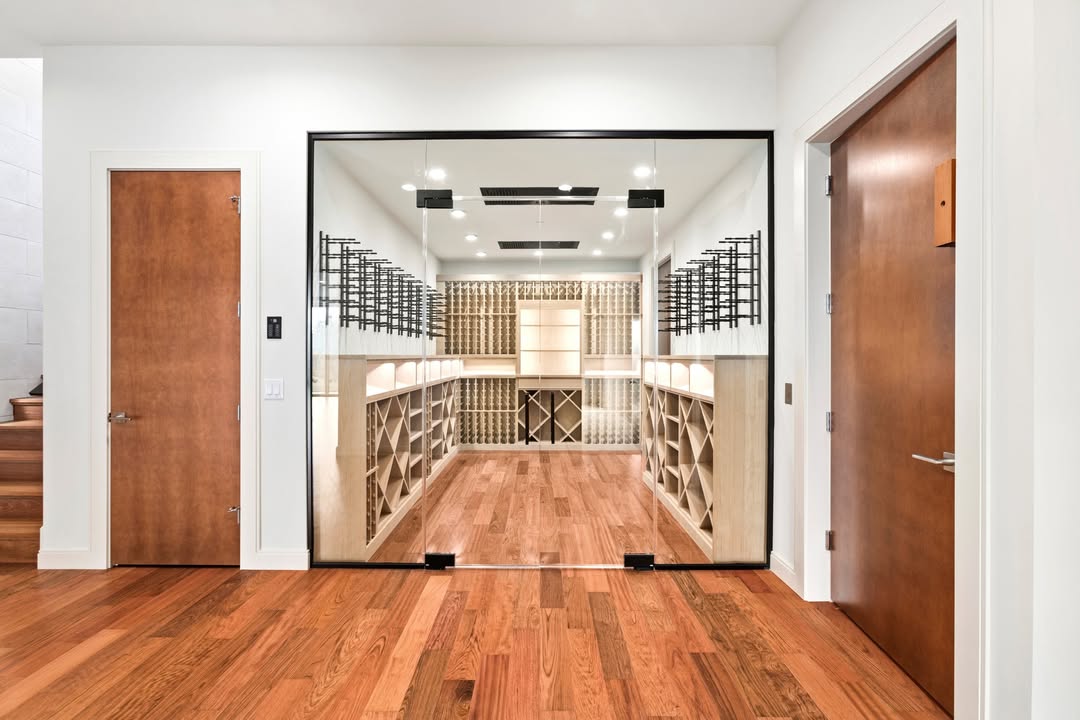
Glass walls and doors gain heat far faster than insulated walls, especially in direct sun.
The temperature and humidity of the space surrounding your cellar changes the load significantly.
Send us your cellar’s dimensions, insulation, glass, and location details — our consultants calculate the precise heatload and recommend the right WhisperKOOL unit, not just the biggest one.
Correct BTU sizing only pays off with correct installation. Our team installs self-contained, split, ducted, and ceiling-mount systems across Miami, Fort Lauderdale, and South Florida.
We calculate BTU requirements from your cellar’s real specs.
We match you to the right WhisperKOOL series and configuration.
Our technicians handle mounting, ducting, electrical, and drainage.
We complete your Product Warranty Checklist so coverage is active from day one.
Through the wall
Indoor/outdoor condenser
Up to 25 ft from cellar
Space-saving overhead
Full coordination
Talk to a consultant with 10+ years of experience before you buy anything. We’ll review your cellar’s size, insulation, glass, and location, run the BTU heatload numbers, and recommend the right ducted cooling system — with no obligation.
2Y
5Y
FL
Miami & Fort Lauderdale Showrooms
10+
Years of Experience for wine cellar projects
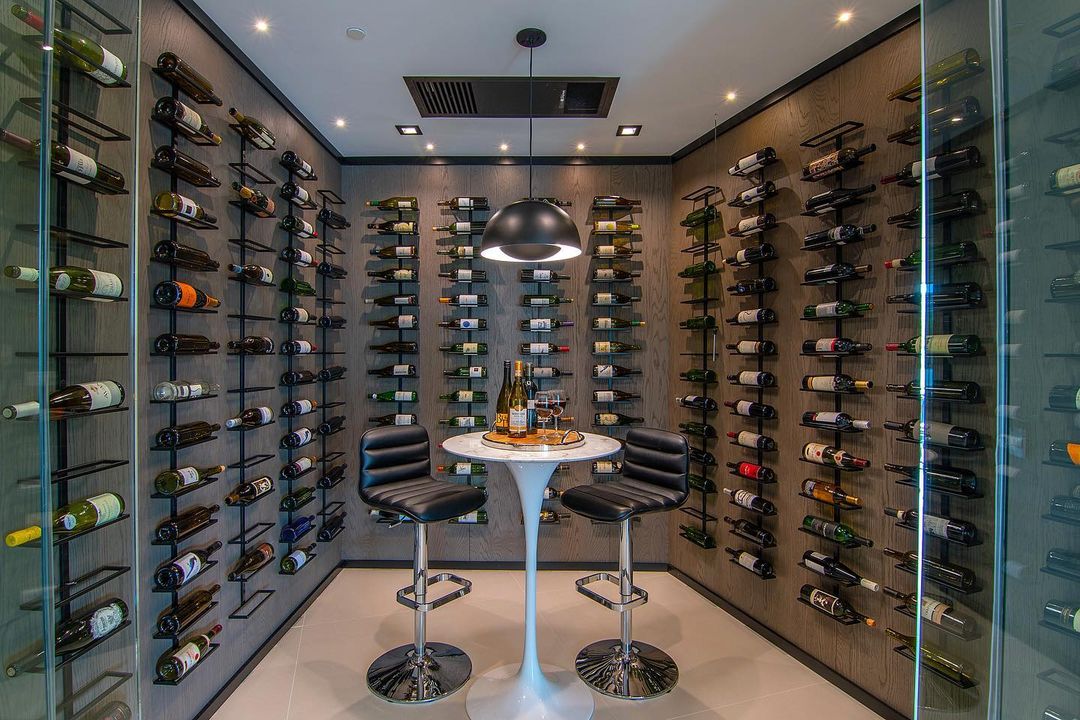
A ducted wine cooling unit is a system installed outside the wine cellar that uses insulated ductwork to deliver cool air into the space and remove warm air. Only discreet vents are visible inside the cellar, keeping the design clean and uncluttered
The system places the cooling equipment (evaporator and condenser) in a remote location such as an attic or mechanical room. Cool air is pushed into the cellar through supply ducts, while warm air is pulled out through return ducts for continuous circulation.
These systems are considered ideal for luxury or design-focused wine cellars.
They are not completely silent, but they are significantly quieter than other systems because the mechanical components are located outside the cellar, reducing noise and vibration inside the room.
Sizing depends on:
Ducted systems are typically recommended for medium to large wine cellars, especially those over 1,500 cubic feet.
Most ducted systems allow installation approximately 25–50 feet away from the wine cellar. Longer duct runs may reduce efficiency and require a higher-capacity unit.
Yes. Due to ductwork design, electrical requirements, and airflow balancing, professional HVAC installation is strongly recommended to ensure proper performance and longevity.
Yes. Ducted units are commonly used in glass wine cellars because they keep all equipment hidden. However, additional cooling capacity is usually required due to higher heat gain from glass surfaces.
Typical requirements include:
Proper planning is essential to ensure airflow efficiency and system performance.
They can be highly efficient when properly sized and installed. However, long duct runs or poor insulation can reduce efficiency and increase energy consumption
With proper installation and maintenance, most ducted systems last 10–15 years or more, depending on usage and environmental conditions.
Yes. Regular maintenance includes:
Routine servicing helps maintain efficiency and extend system lifespan.
A ducted system is the best choice when:

Book an appointment Request free design Free Heatload Calculation A properly constructed wine room is more than an attractive space filled