What Type Of Climate Control System Is Recommended For A Medium-Sized Wine Collection?
Book an appointment Request free design Free Heatload Calculation Navigating the world of wine preservation can be as complex as a
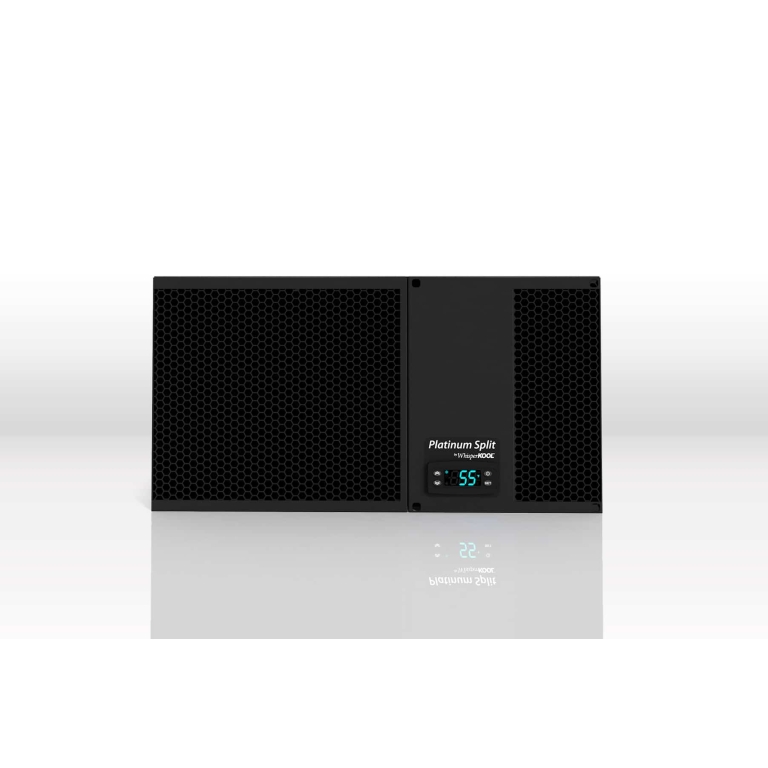
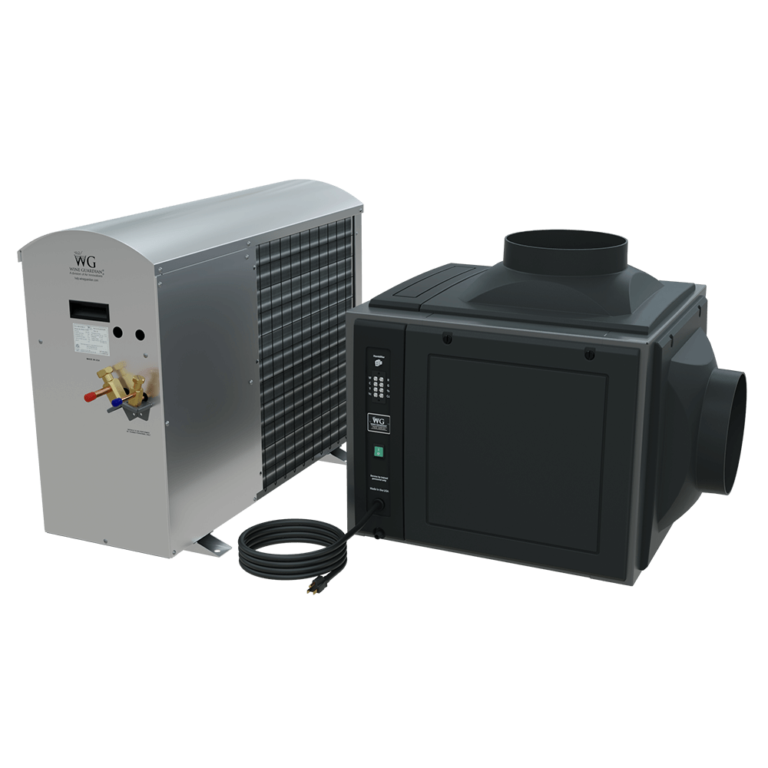
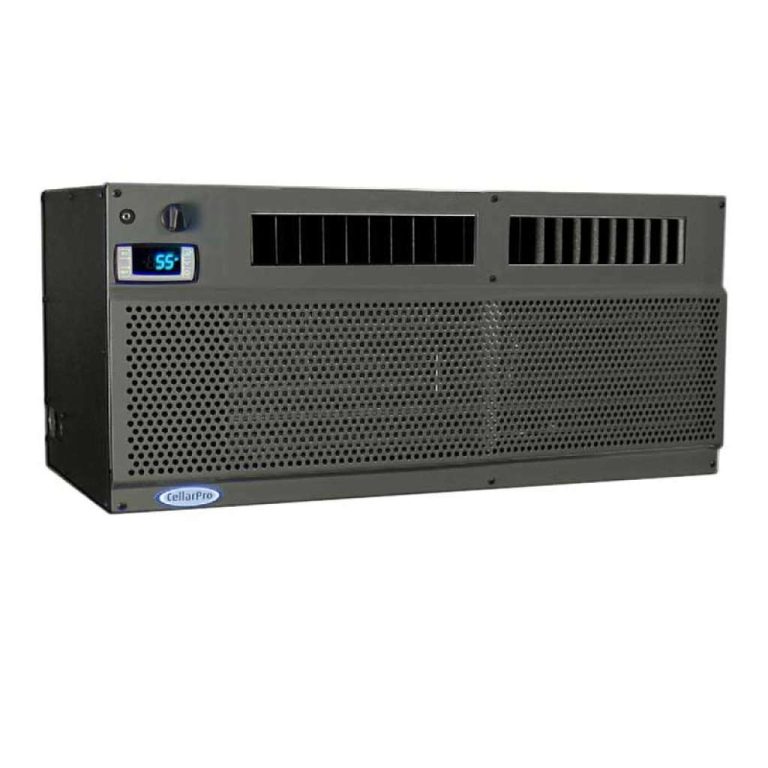
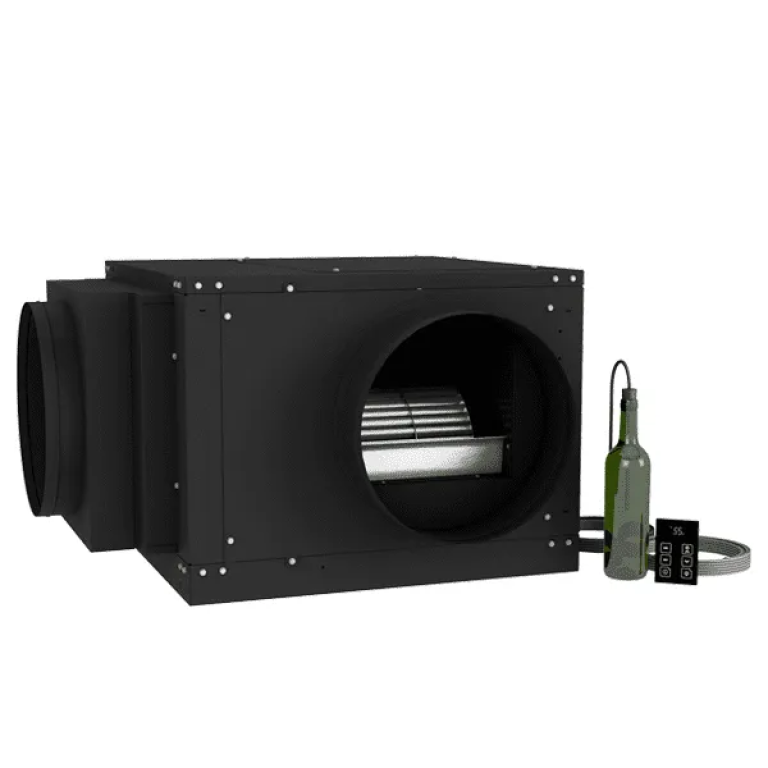
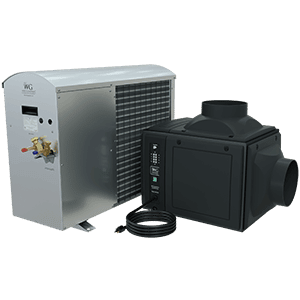
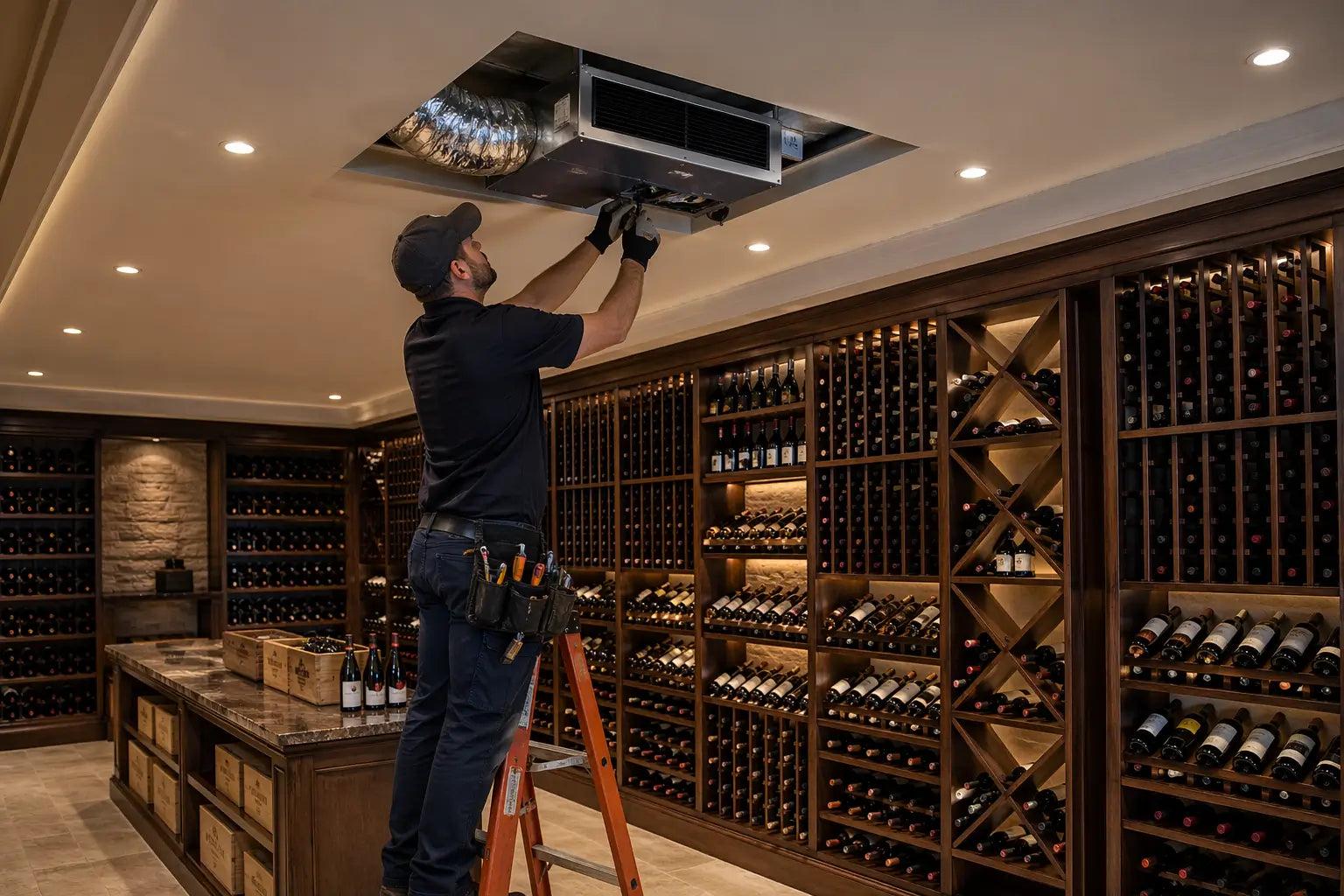
A split system is often the most efficient method for cooling a wine cellar. The condensers of wine cooling units are usually noisy and need ample space for ventilation, which is often not available in the wine cellar location. By using a split system, the condenser can be situated in a more suitable area for heat and noise dissipation, while the quiet evaporator is installed inside or near the cellar. Installation of a split system requires a licensed HVAC/R technician.
Call Our Experts:
800-323-3130
All Our Consultants Have
Over 10 Years Experience
Our wine cellar experts are ready to assist in finding the ideal wine-cooling unit for your cellar. Just tell us the style, size, budget, and cellar details – we’ll handle the rest.


A split cooling unit is a climate control solution for wine cellars that features a split design, separating the condenser unit from the evaporator, allowing for flexible installation and quiet operation.
The evaporator inside the cellar cools and circulates air, while the condenser—located outside or in another room—removes heat. The two components are connected by refrigerant lines that transfer heat away from the cellar.
These advantages make split systems ideal for high-end or residential wine cellars.
Yes. Because the condenser (the noisiest component) is located remotely, noise and vibration inside the wine cellar are significantly reduced or nearly eliminated.
Yes. Split systems require refrigerant line connections, electrical wiring, and proper system balancing. Installation must be completed by a licensed HVAC technician.
Sizing depends on:
A proper heat load calculation is recommended to ensure optimal performance.
Yes. The condenser can be installed outdoors or in a mechanical room, provided it has proper ventilation and is protected from extreme environmental conditions.
Ducted split systems offer a cleaner, hidden look, while ductless systems are more straightforward to install.
Yes. Split systems are often recommended for medium to large wine cellars and for spaces with higher heat loads, such as glass wine rooms or warm climates.
Yes. Most split systems are designed to maintain optimal humidity levels (typically 50%–70%) along with stable temperatures, helping preserve cork integrity and wine quality.
The condenser can typically be installed several feet to dozens of feet away from the evaporator, depending on manufacturer specifications and line set limits.
Yes. While the condenser is remote, it still requires proper ventilation or outdoor placement to dissipate heat efficiently.
With proper installation and maintenance, split systems generally last 10–15 years or more, depending on usage and environmental conditions.
Routine maintenance includes:
Regular servicing helps maintain efficiency and extend system lifespan.
Choose a split system when:
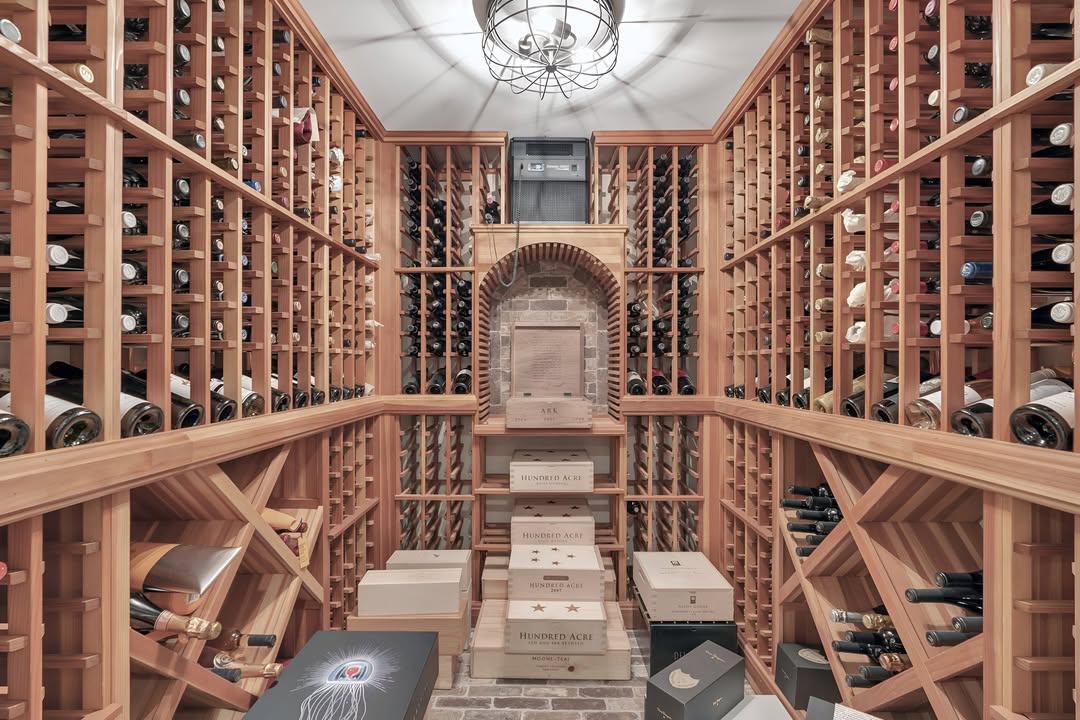
For wine collectors and enthusiasts, a wine cellar is more than just a storage space. It is a place where wine can be stored and aged to perfection, with optimal temperature and humidity levels. That is why the choice of wine cellar cooling units is crucial for maintaining the quality of the wine.

Book an appointment Request free design Free Heatload Calculation Navigating the world of wine preservation can be as complex as a