Frameless and framed glass enclosures, door hardware, insulation glass, and the sealing details that decide whether a showpiece cellar actually holds temperature — written by our design and install team.
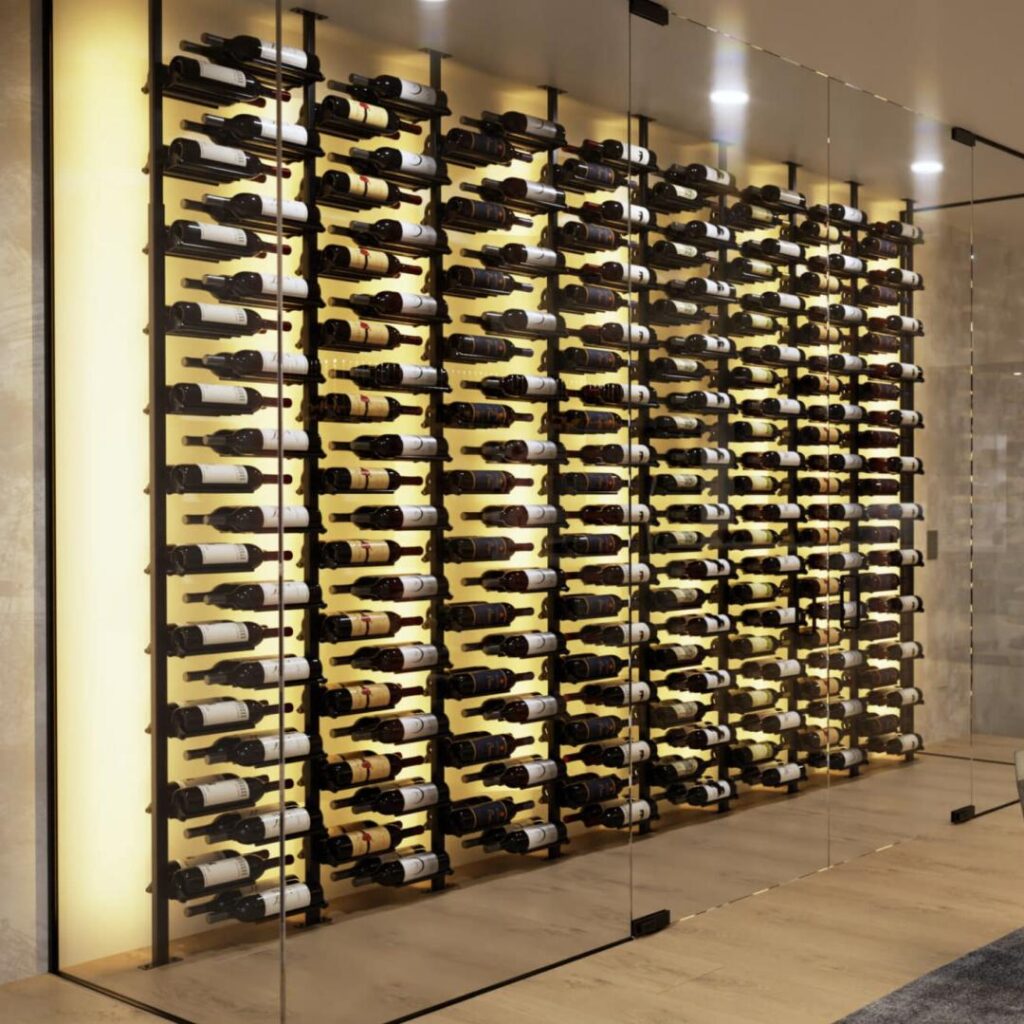
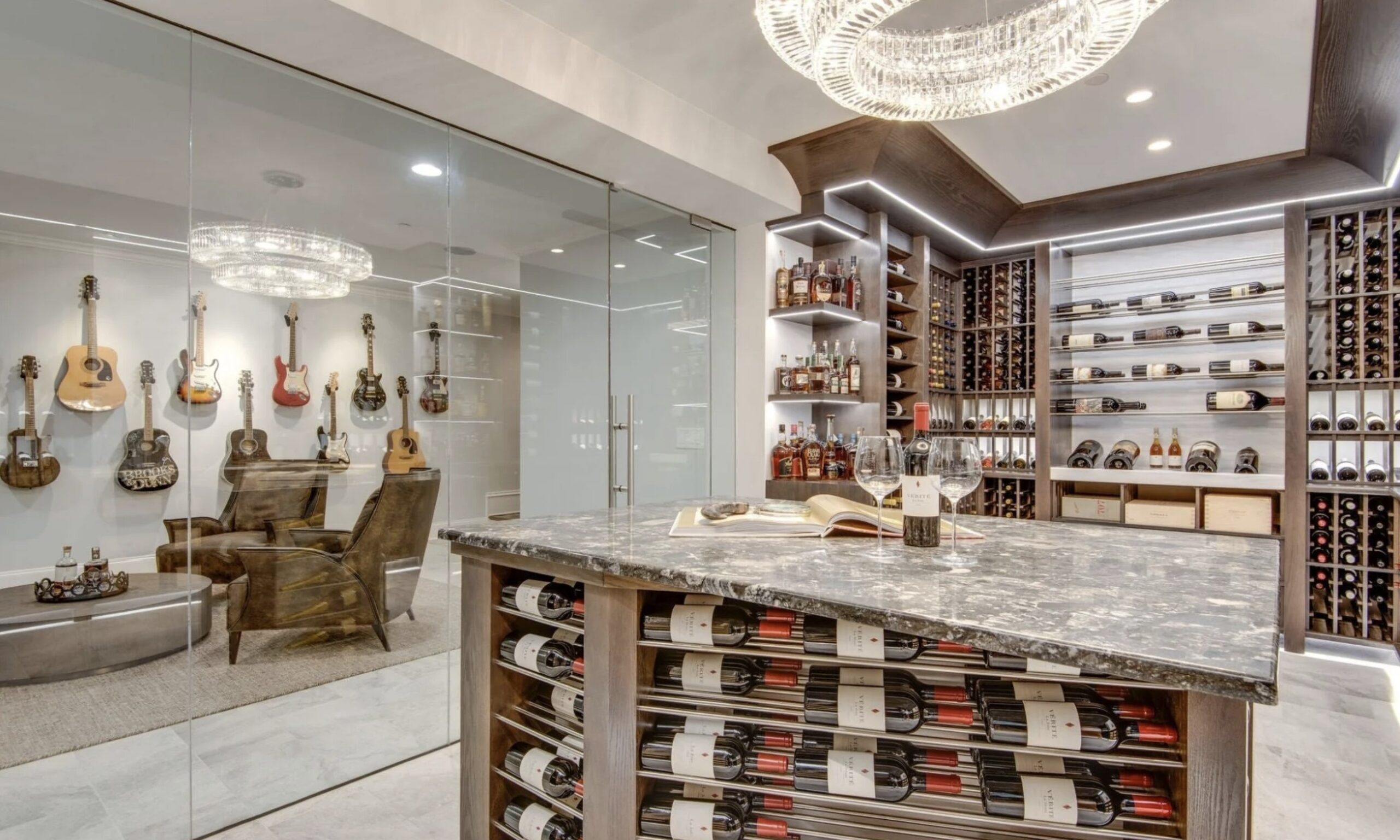
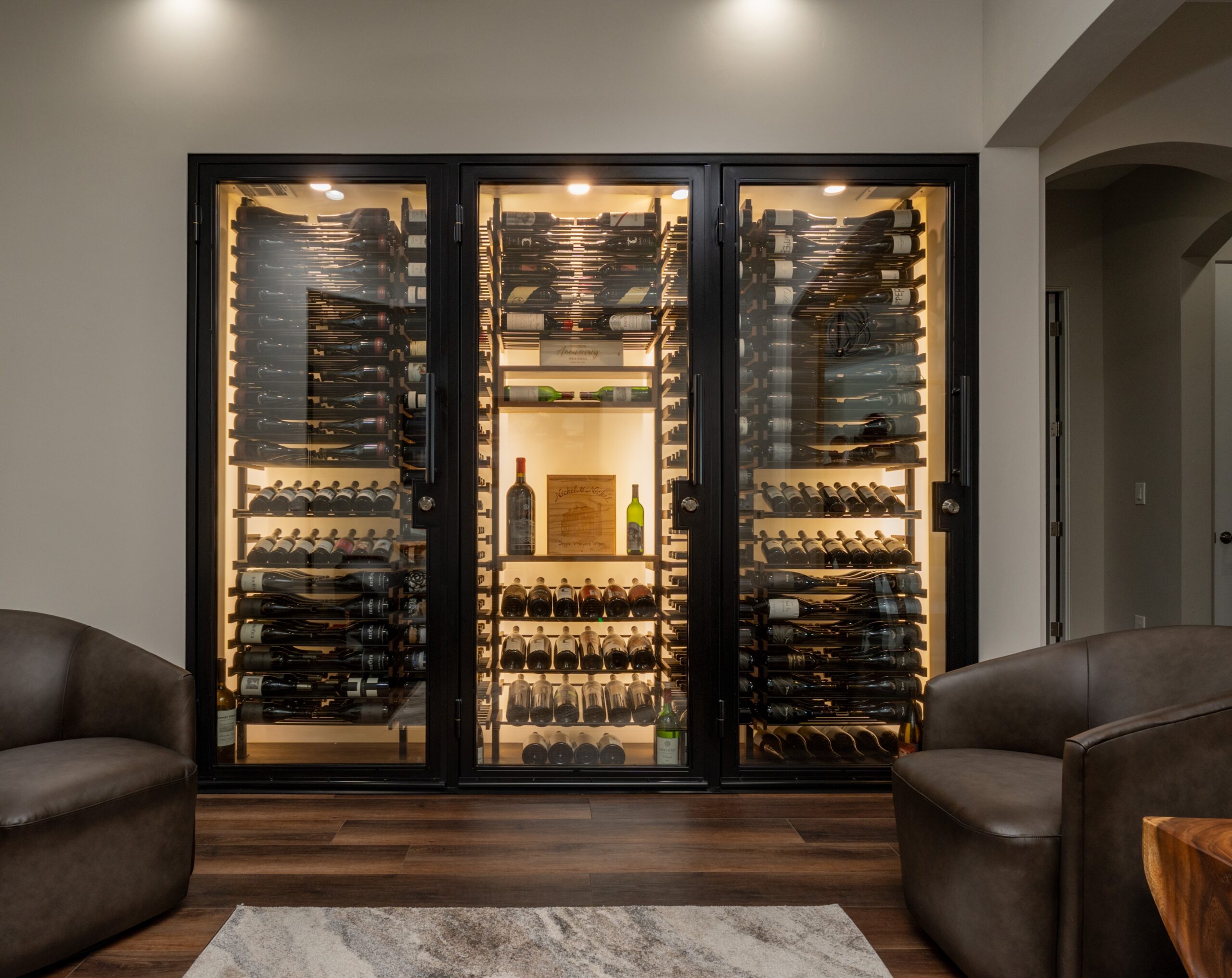
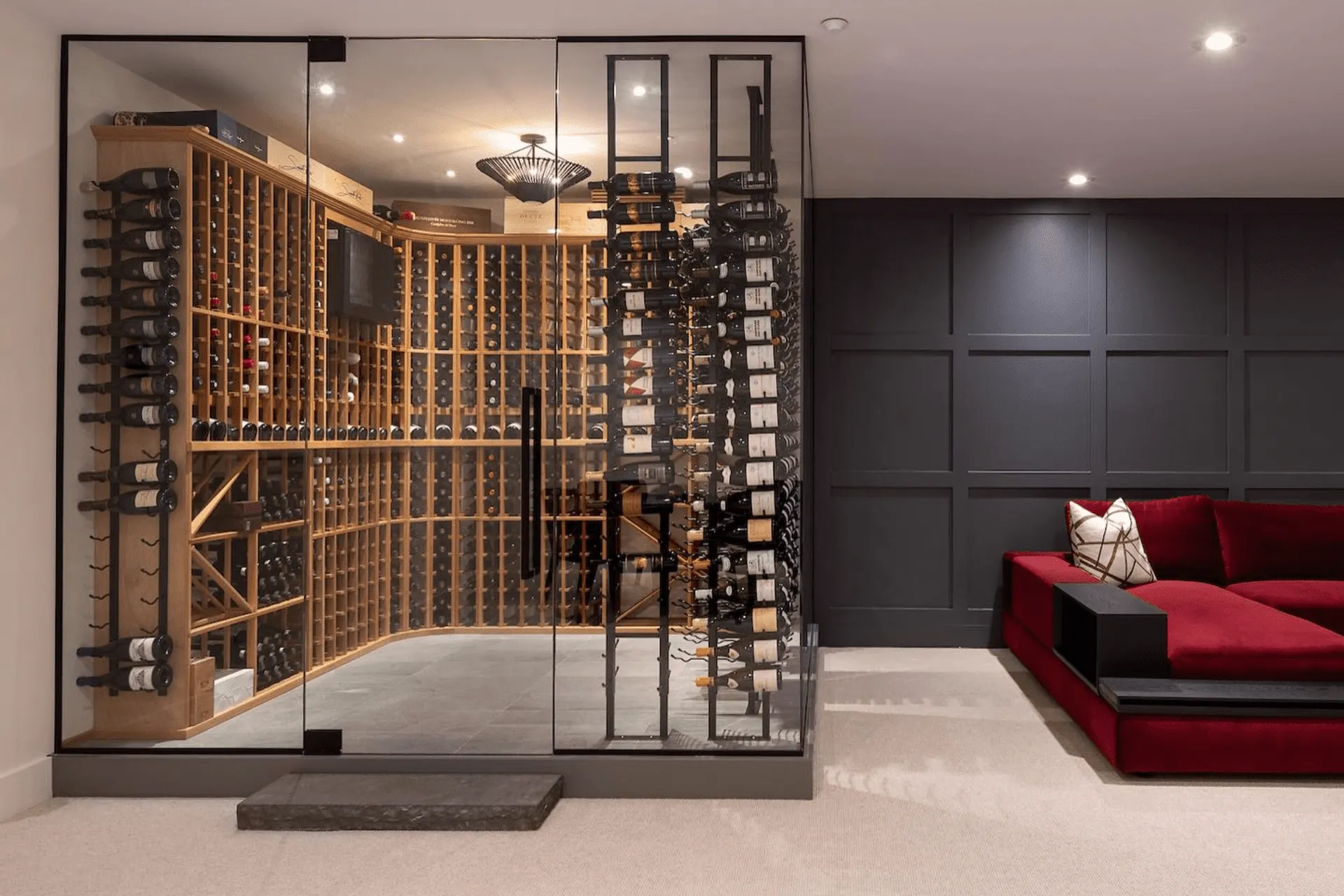
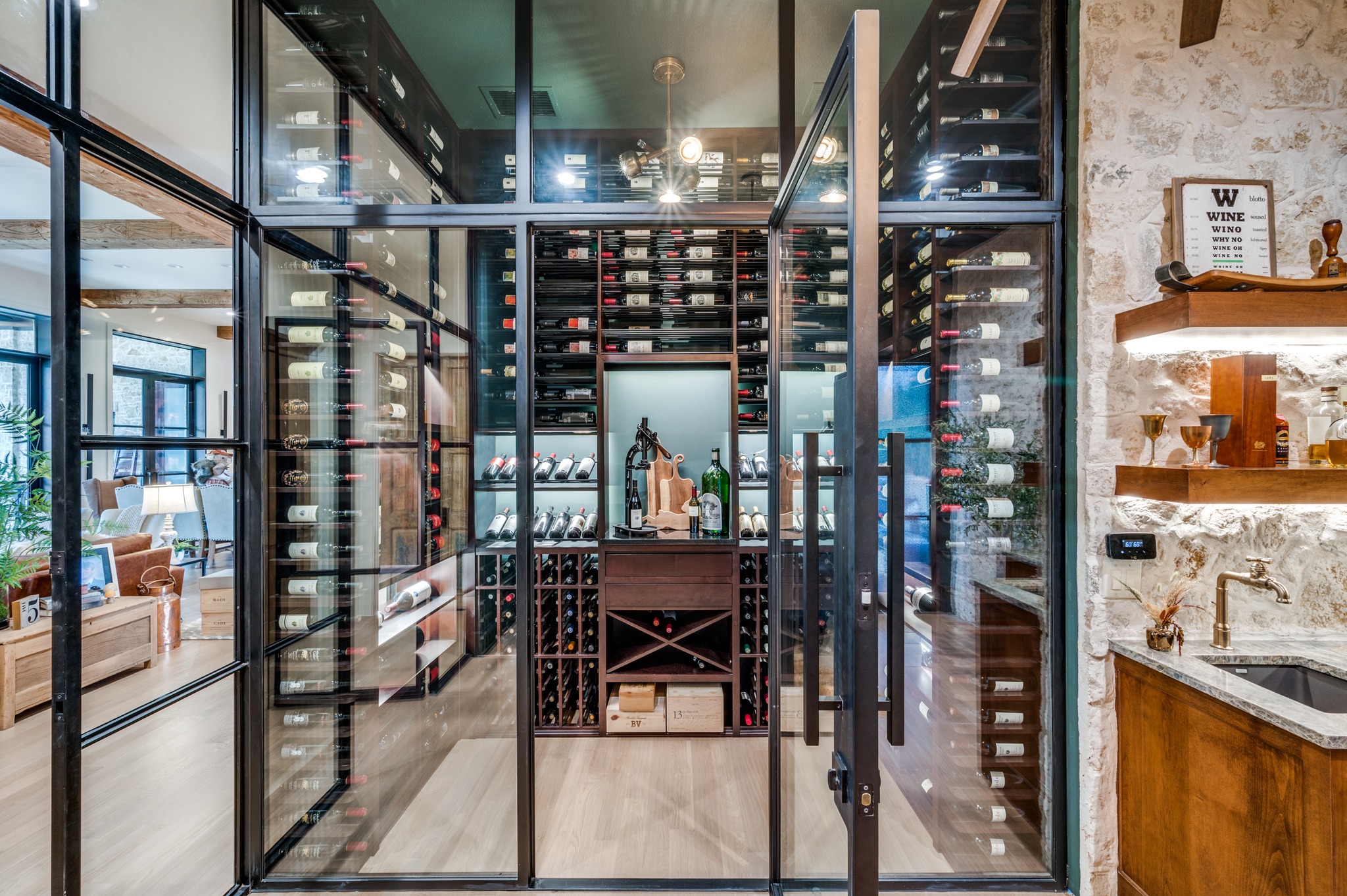
Glass wine cellars have become one of the most sought-after features in luxury homes. They transform a wine collection into a stunning architectural centerpiece while maintaining the ideal environment for long-term wine storage.
We don't just sell racks — we build the wall around them.
Design a Show-Stopping Wine Wall display today...!
Glass wine racking systems are only as good as the layout, structural support and cooling plan behind them. Our design team specs every project against your room’s dimensions, load points and climate needs before a single rail ships.
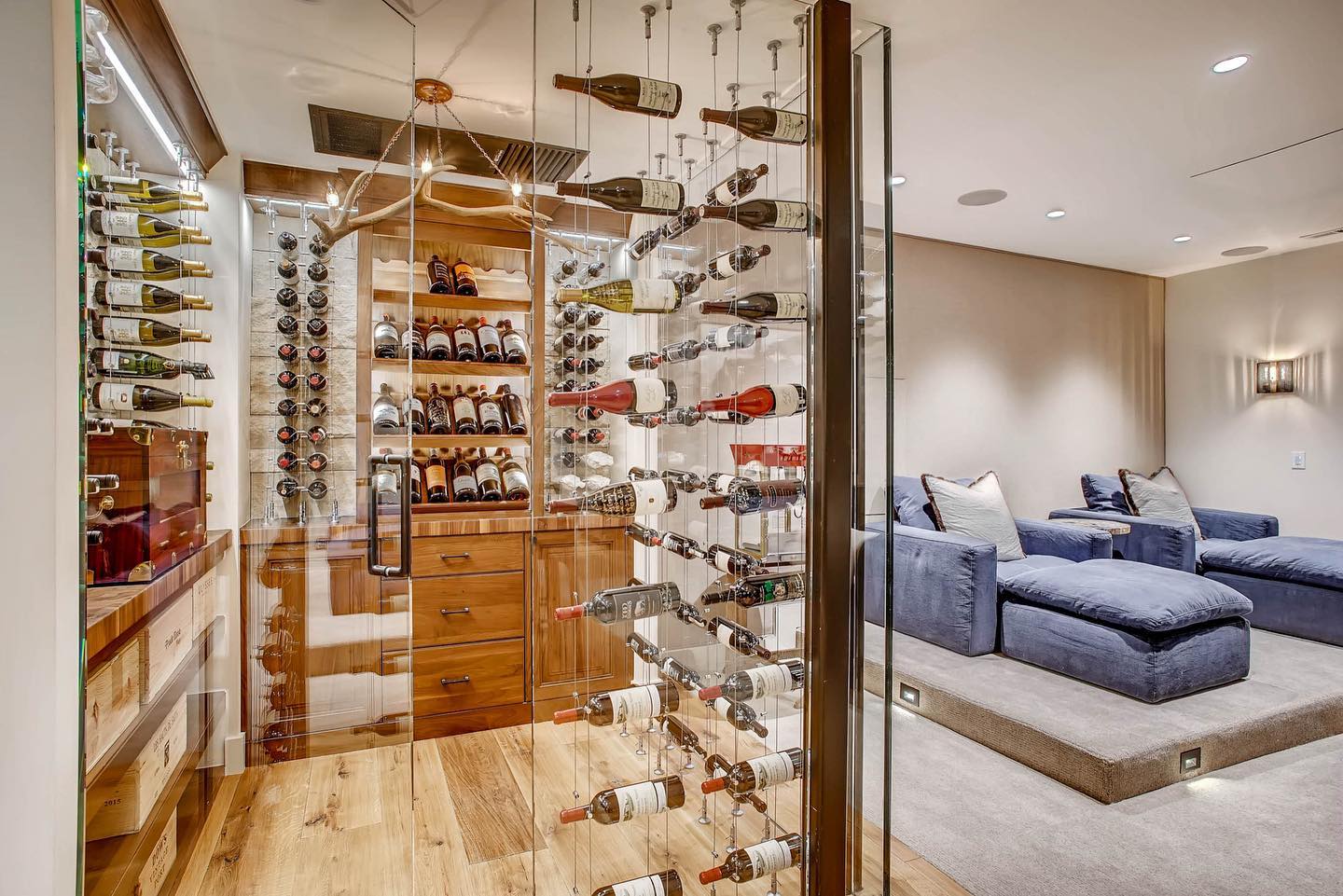
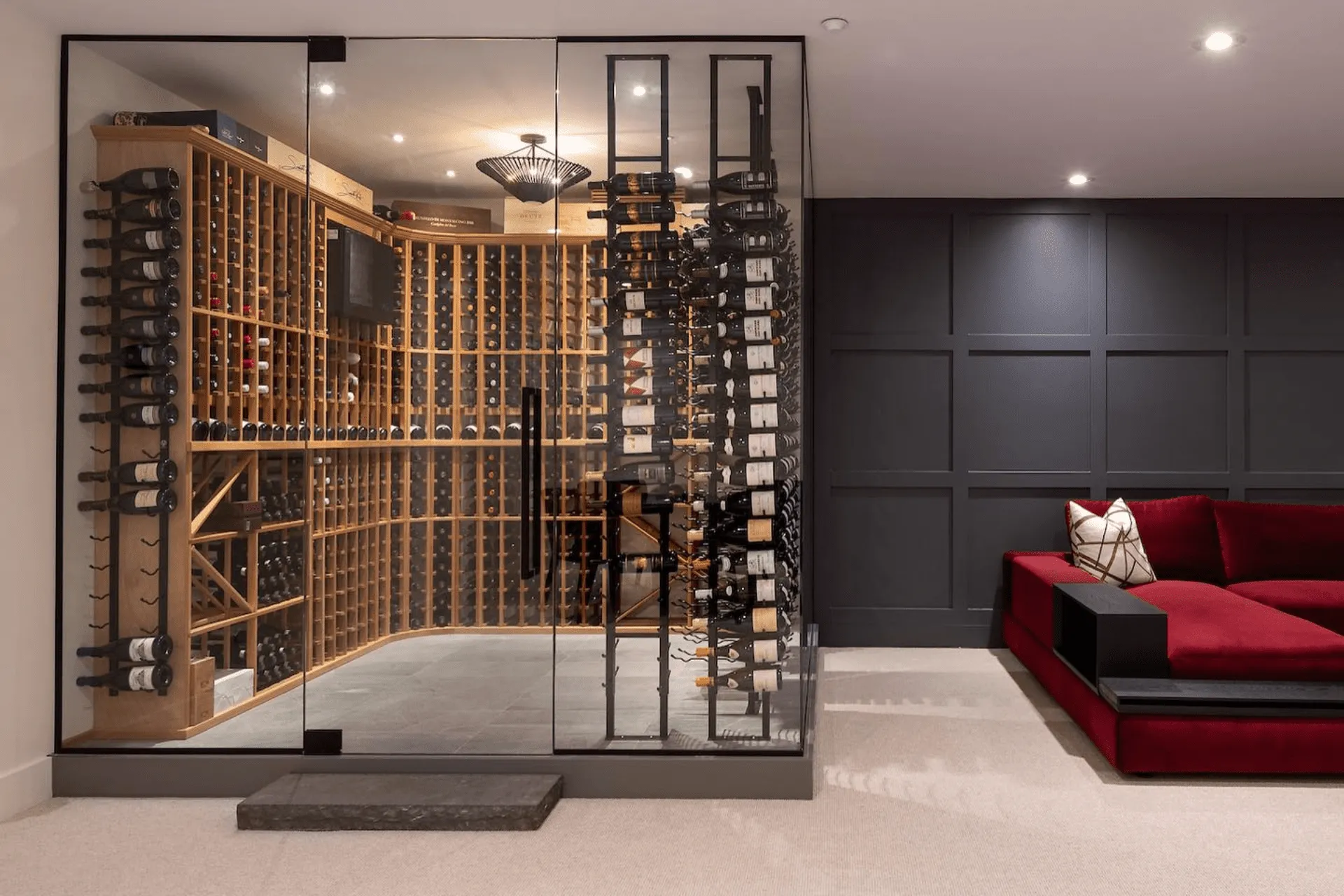
A glass wine enclosure is a climate-controlled wine storage space enclosed with glass panels instead of traditional walls. It allows you to showcase your wine collection while maintaining the proper temperature and humidity needed for long-term wine preservation.
Yes. A properly designed glass wine cellar with insulated glass, quality seals, adequate insulation, and a correctly sized cooling system can provide excellent conditions for long-term wine aging.
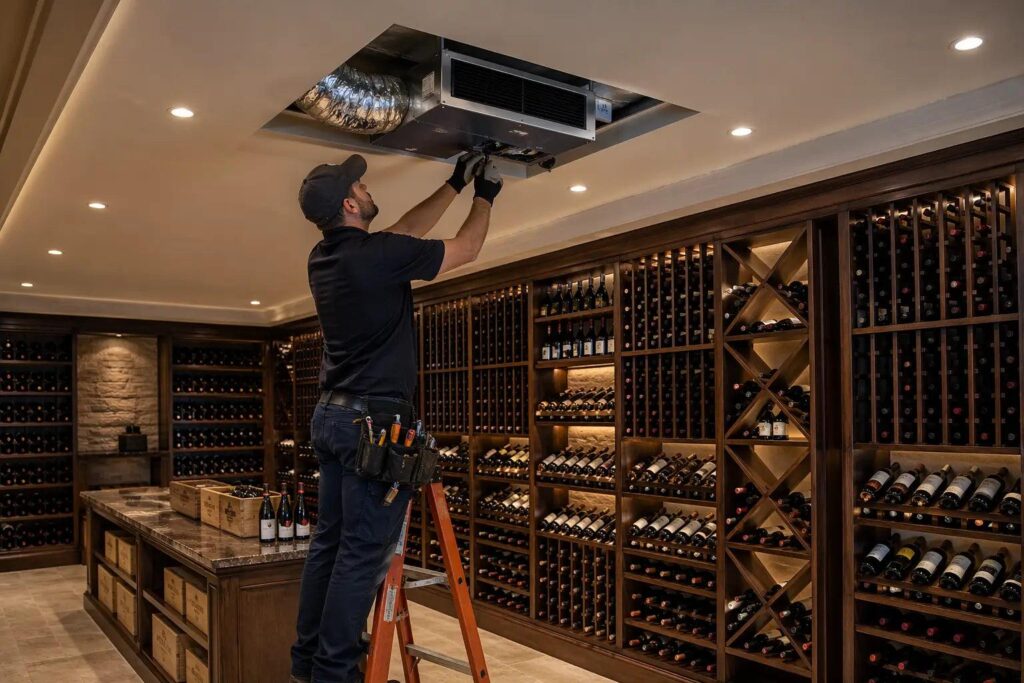
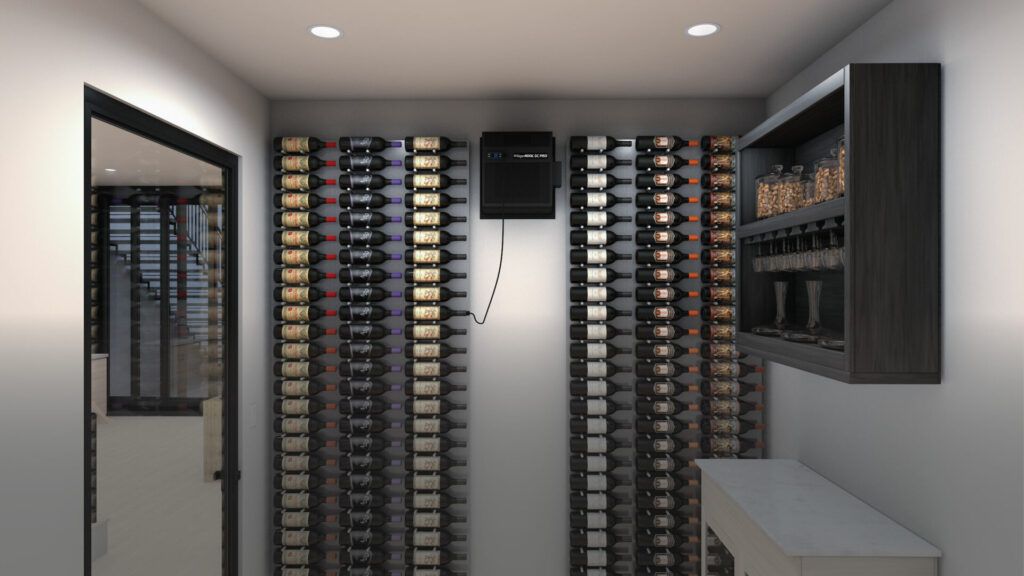
Yes. Glass allows more heat to enter the cellar than insulated walls, so glass wine cellars typically require a wine cellar cooling unit that has been sized using a professional heat load calculation. Ducted or split cooling systems are often preferred for larger glass enclosures.
Double-pane insulated tempered glass is the most common choice for glass wine cellars. It offers better thermal performance than single-pane glass while maintaining a sleek, modern appearance.
Yes. Insulated glass helps reduce heat transfer, minimizes condensation, improves energy efficiency, and lowers the cooling load, making it a worthwhile investment for most custom wine cellars.
Yes. Frameless glass wine enclosures can maintain proper wine storage conditions when they are built with insulated glass, quality seals, and paired with the correct wine cooling system.
They can if they are not properly designed. Condensation usually occurs due to poor insulation, inadequate door seals, excessive humidity, or an improperly sized cooling unit. Using insulated glass and maintaining proper humidity levels significantly reduces condensation.
Most wine experts recommend maintaining a temperature of approximately 55°F (13°C) for long-term wine storage, with relative humidity between 50% and 70%.
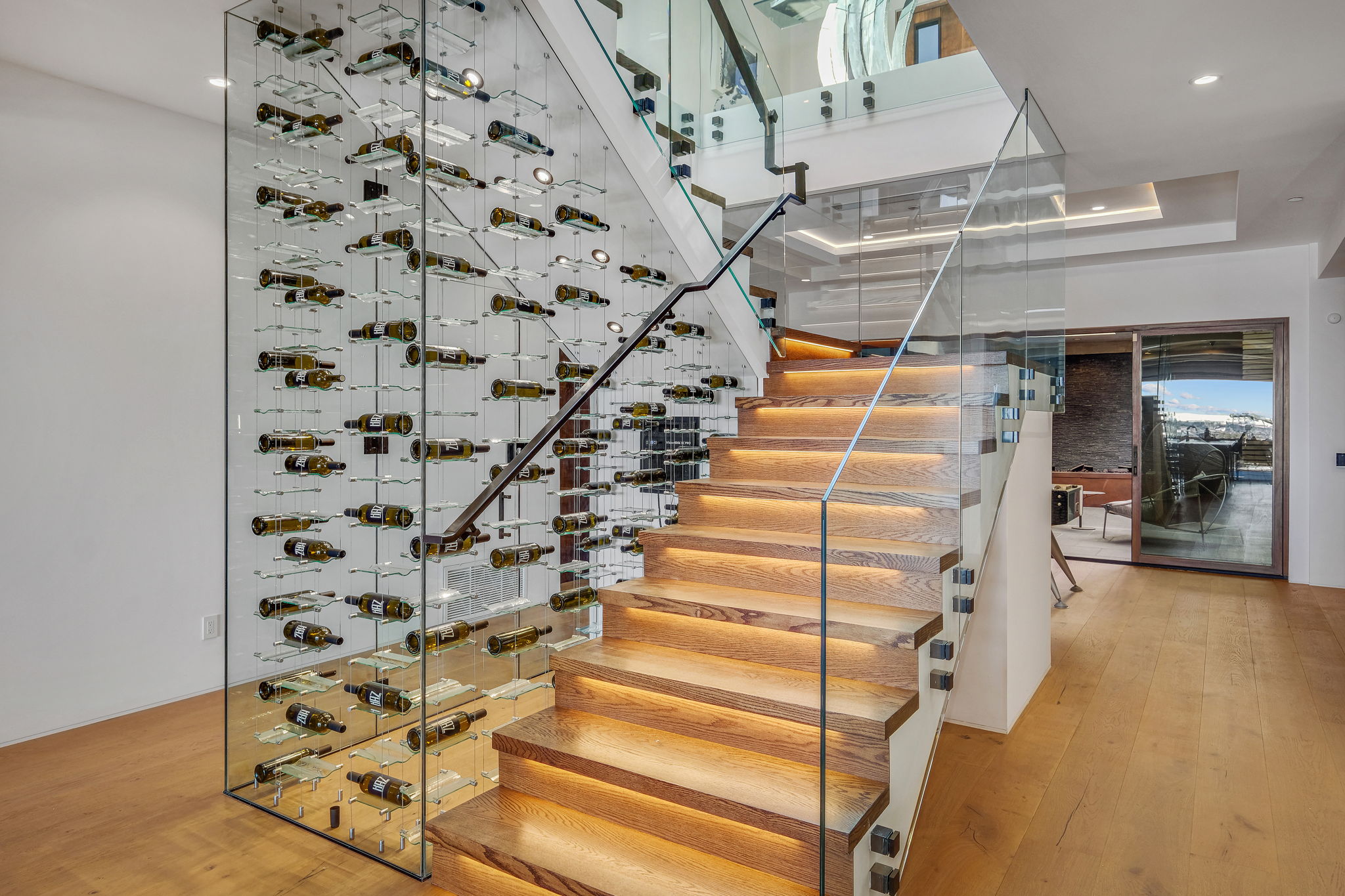
Absolutely. Under-stair glass wine cellars are one of the most popular custom wine cellar designs because they maximize unused space while creating an attractive architectural feature.
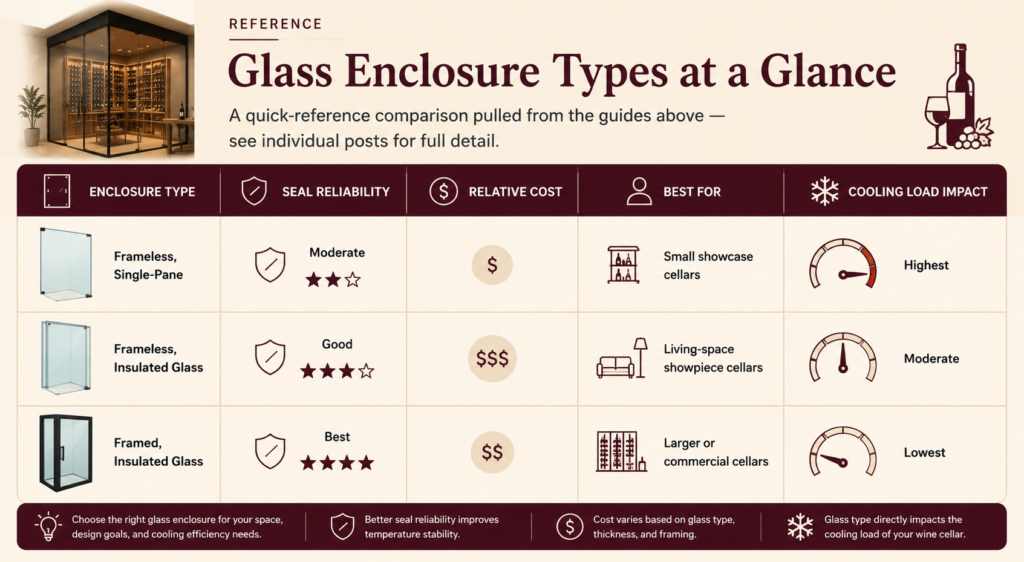
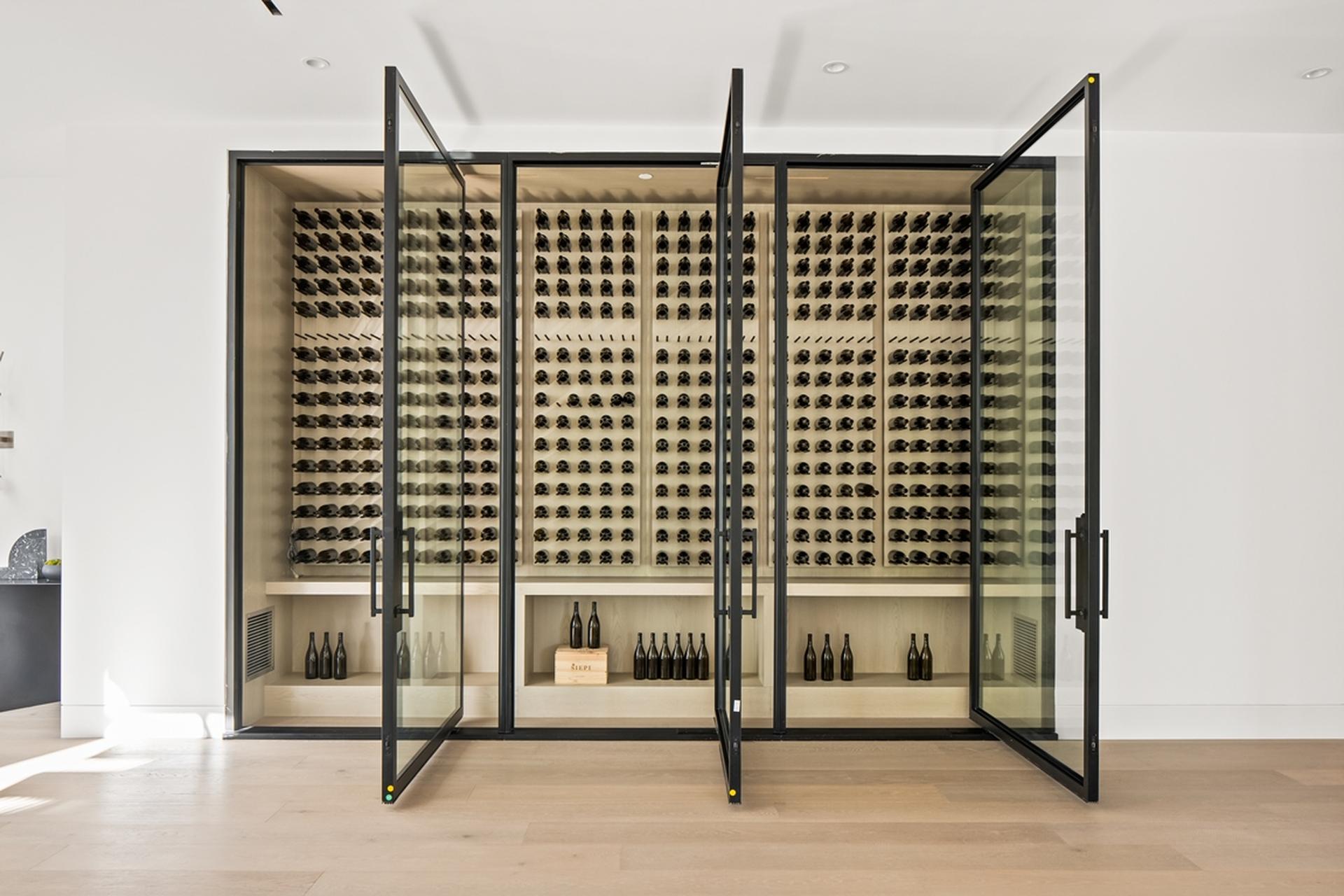
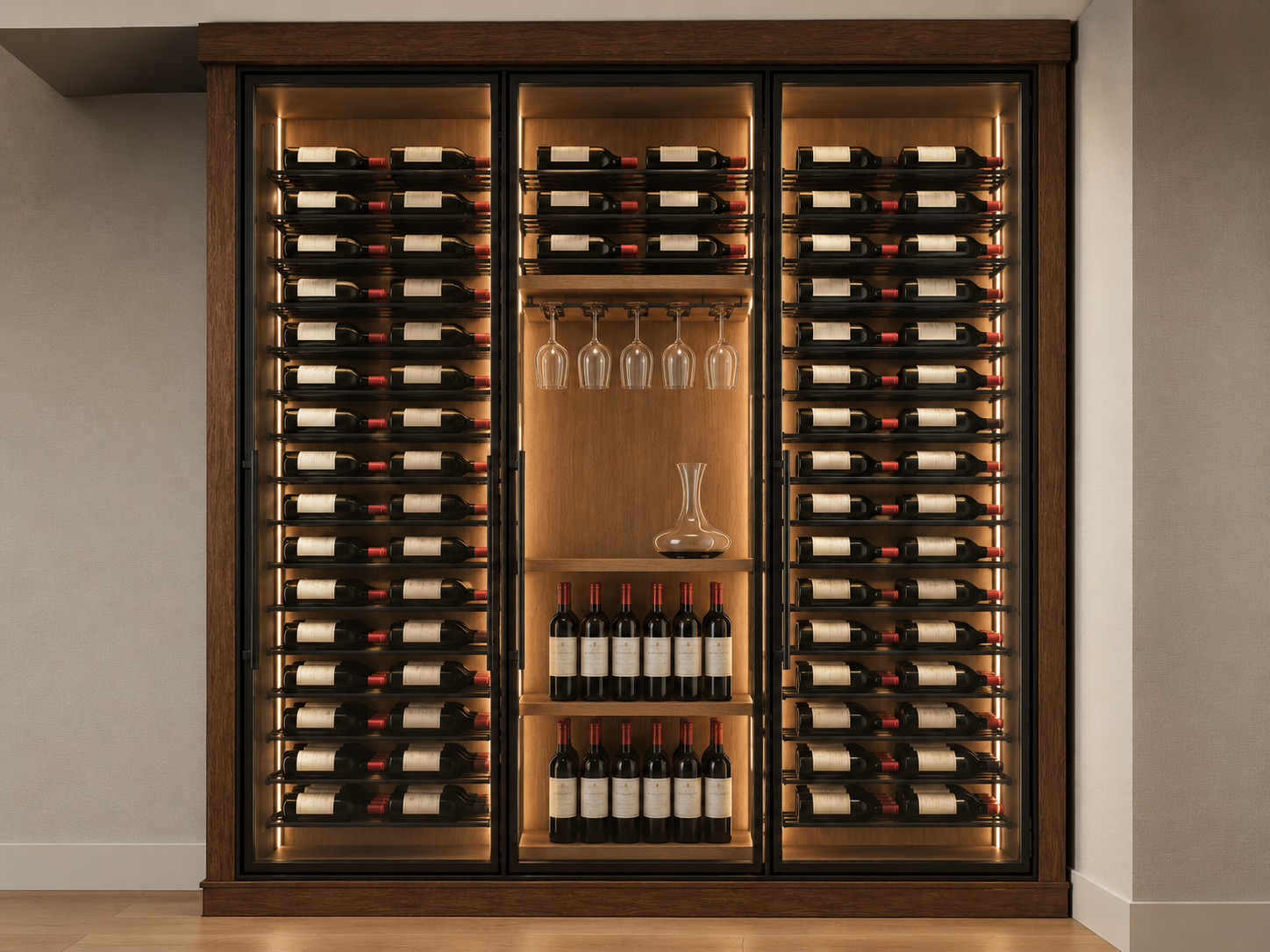
Neither is universally better. Frameless glass provides a clean, contemporary appearance, while framed systems generally offer stronger seals and improved thermal performance. The best choice depends on your design preferences and cooling requirements.
Yes. Many homeowners convert dining rooms, basements, home bars, closets, and under-stair spaces into custom glass wine cellars. Proper insulation, a vapor barrier, and a correctly sized cooling system are essential for success.
Generally, yes. Because glass transfers more heat than insulated walls, glass wine cellars often require longer cooling cycles. Choosing insulated glass and a properly sized cooling system helps improve energy efficiency.
The appropriate glass thickness depends on the enclosure size and design. Many residential glass wine cellars use insulated tempered glass, but the final specification should be determined by the glass manufacturer or structural engineer.
Yes. Modern frameless glass wine enclosures use minimal hardware and structural silicone joints to create a seamless appearance while maintaining climate control.
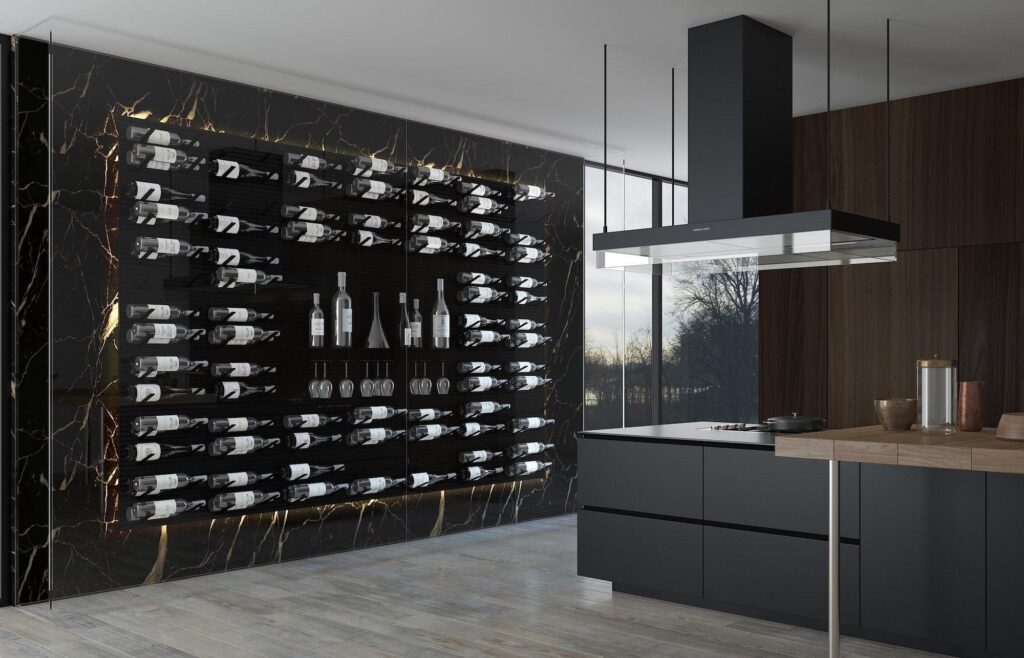
Yes. Glass wine cellars are commonly installed in kitchens, dining rooms, living rooms, and entertainment spaces where they serve as both functional wine storage and a striking design feature.