
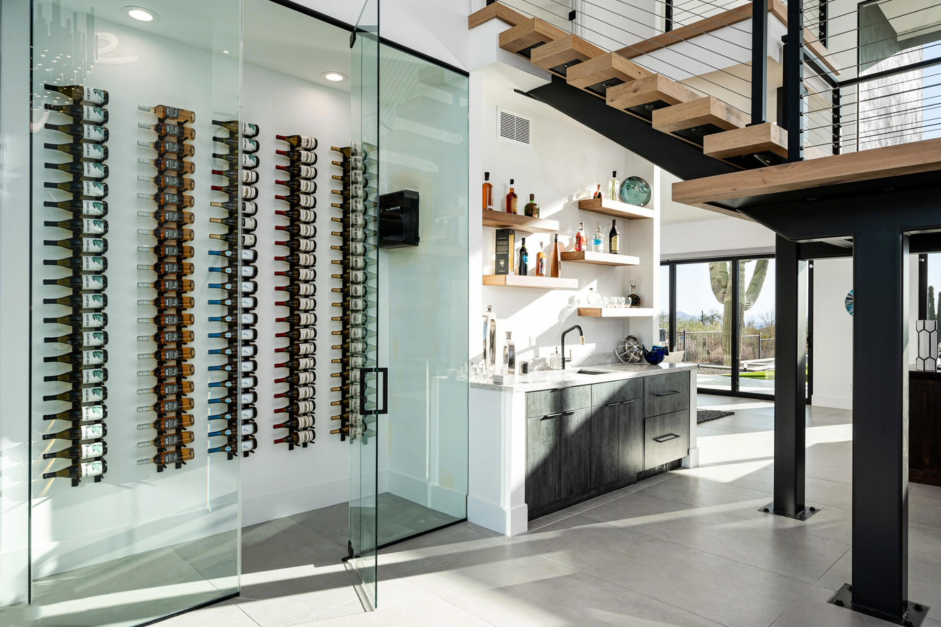
Installing a wine cooling system in a condo can greatly enhance your collection’s longevity and enjoyment — but unwanted noise and vibration can quickly become a nuisance in close living quarters. This guide walks you through effective acoustic isolation strategies and highlights quiet wine cooling units that are well-suited for condo installations.
Why Acoustic Isolation Matters in Condos
Unlike a house or basement, condos share walls, floors, and ceilings with neighbors. Wine cooling systems with compressors and fans can generate noise and vibration that travels through surfaces and air, potentially disturbing occupants or neighbors. Without proper mitigation, even a moderate cooling unit can feel louder in a compact, open-plan space.
Choose Quieter Cooling System Types
Not all wine cooling systems are equally quiet:
Ducted Split Systems — These are among the quietest options because the noisy condenser is installed away from the cellar space or mechanical room, connected by ducts. They often operate between 35–50 dB, helping maintain a peaceful condo environment.
Ducted Self-Contained Units — Offer quieter operation than through-the-wall units because airflow and noise are directed through insulated ducts; typical noise is slightly higher than split systems.
Through-the-Wall or Self-Contained Wine cooling units tend to be louder (55 dB+) and are less ideal when noise control is a priority.
Recommended Quiet Wine Cooling Units
Here are a few options commonly recommended for quieter operation in residential wine rooms:
🍷 WhisperKOOL Platinum Split Ducted Systems — A premium choice that places the noisiest components away from living spaces while maintaining precise temperature control.
🍷 WhisperKOOL Quantum Series — Flexible ducting up to 25 ft allows the condenser to be placed in a utility area, significantly reducing audible noise in the condo.
🍷 Wine Guardian WG75 / WG100 — Fully ducted units suited for condos with dedicated mechanical space or duct paths; ducted airflow and good insulation help minimize noise transmission.
Install on Vibration-Damping Mounts
Noise doesn’t just travel through air — it also travels through structures. To minimize transmitted vibration:
Use rubber isolation pads under the cooling unit or condenser.
Consider floating mounting brackets or anti-vibration mounts for wall or ceiling installations.
Separate the unit from hard surfaces with resilient strips or vibration isolators.
These help prevent low-frequency rattling and reduce noise travelling through walls and floors.
Add Acoustic Barriers and Insulation
Enhancing the space around the cooler can help:
Dense insulation (acoustic mineral wool or high-R-value batt insulation) around the cellar walls reduces airborne noise.
Building a sound-damping enclosure around the unit (while allowing airflow) minimizes noise escaping into living areas.
Acoustic foam or panels near walls facing shared spaces can further suppress noise transfer.
Use Flexible Ducts With Sound Attenuation
Rigid ducts can transmit sound easily. To reduce this:
Choose flexible insulated ducts that absorb noise rather than transmit it.
Design duct runs with gentle bends — noise tends to decrease as it changes direction.
Insulate ducts with acoustic wrap or lining to further reduce sound.
Place the Condenser Remotely (If Possible)
Where condo layout and building regulations allow, installing the condenser in a mechanical room, garage, or balcony (with proper weather protection and approval) keeps the loudest component far from occupied spaces and neighbors.
Perform Strategic Layout Planning
Before installation:
Identify shared walls and route cooling equipment away from bedrooms, living rooms, or neighbor units.
Work with a professional HVAC contractor who understands condo acoustic issues for duct routing and vibration control.
Seal Penetrations and Air Gaps
Every gap around ducts, conduits, or wall penetrations can act as a noise path. Use:
Acoustic caulk around openings
Draft seals on access panels
Sound-proofing grommets where pipes or wiring pass through walls
This prevents noise leaks that undermine isolation efforts.
Monitor and Fine-Tune After Installation
Once the system is running:
Identify any unexpected resonance or vibration.
Tighten loose fittings and add damping materials where necessary.
Consider adding additional acoustic wraps or barriers if needed.
Conclusion
Acoustically isolating a wine cooling system in a condo is absolutely achievable with thoughtful equipment choices, proper mounting, and insulation strategies. Select quieter cooling units like ducted split models, use vibration-damping supports, seal gaps, and work with professionals to balance performance with peace and comfort in your home. With the right approach, you can enjoy a perfectly chilled wine collection without disturbing your living space or neighbors.