
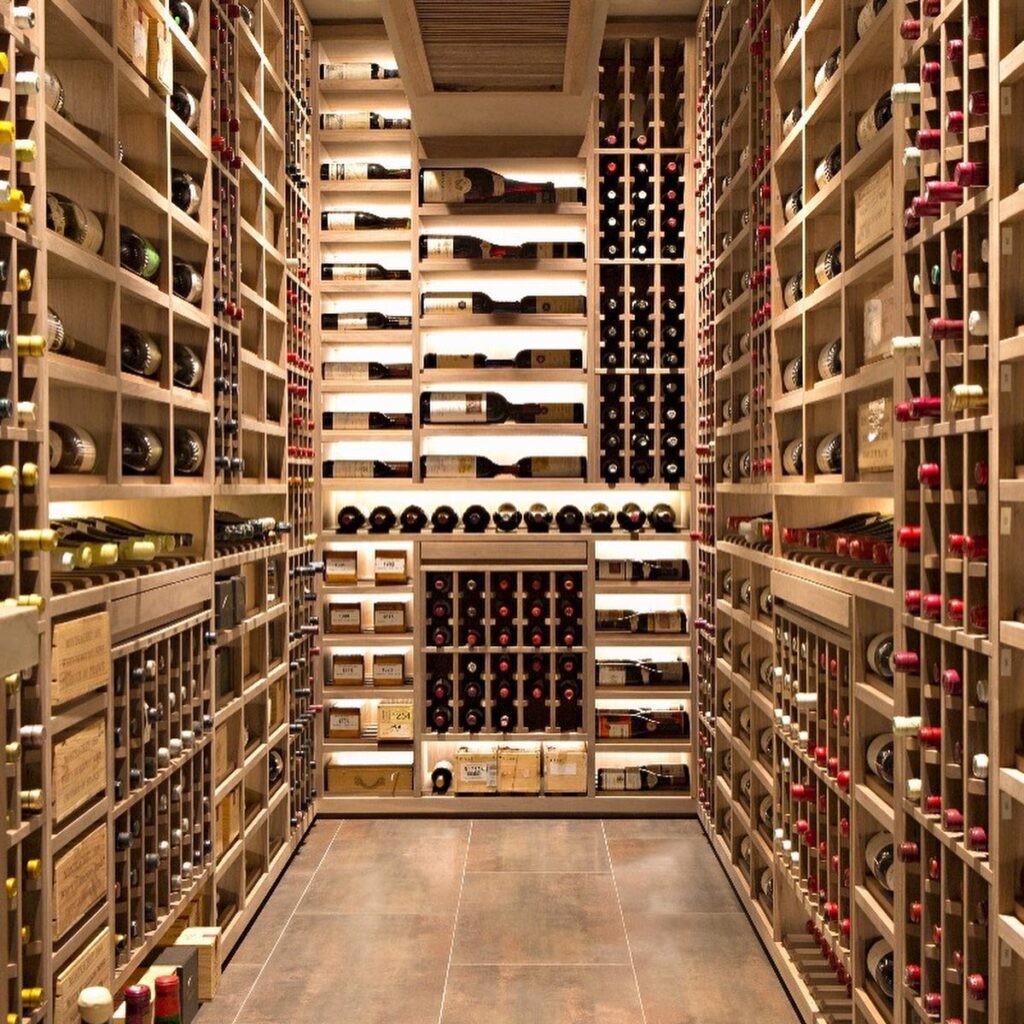
Managing a 1,000-bottle wine collection requires more than just ample storage space. Proper organization protects wine quality, improves accessibility, and helps collectors track value and aging potential. Below are effective strategies to keep a large wine collection organized and well maintained.
1. Plan the Layout Before Storing
Before placing bottles on racks, create a clear layout plan. Divide the cellar into zones based on wine type, region, or aging purpose. Reserve prime storage areas for long-term aging wines and more accessible sections for everyday bottles. Proper planning reduces clutter and makes future expansion easier.
2. Organize by Category
Grouping wines by category is one of the most effective strategies. Common categories include red, white, sparkling, and dessert wines. Within each category, further organize by region, producer, or grape variety. This layered system makes it easier to locate specific bottles without disturbing others.
3. Use a Logical Bin or Row System
Numbered bins or labeled rows are essential for large collections. Assign each rack section a unique identifier and keep a corresponding inventory record. This approach minimizes unnecessary bottle handling, which can affect sediment and aging.
4. Implement a Digital Inventory System
A digital wine inventory system is invaluable for a 1,000-bottle collection. Wine management apps or spreadsheets can track bottle locations, purchase dates, drinking windows, and tasting notes. Digital tracking reduces the risk of forgotten bottles and helps optimize consumption timing.
5. Separate Long-Term and Short-Term Wines
Not all wines need to age for decades. Store long-term investment or aging wines in deeper or less-accessible areas, while placing short-term or frequently consumed bottles near the front. This strategy improves accessibility and protects valuable wines from unnecessary movement.
6. Label and Tag Clearly
Clear labeling is critical when dealing with large quantities. Use shelf tags, neck tags, or rack labels to identify sections quickly. Labels should be easy to read but discreet, maintaining the visual appeal of the cellar while enhancing efficiency.
7. Maintain Proper Storage Conditions
Organization goes hand in hand with preservation. Ensure consistent temperature, humidity, and minimal vibration throughout the cellar. Even the most organized collection can suffer if storage conditions are not properly maintained.
8. Schedule Regular Audits
Conduct periodic audits to verify inventory accuracy and assess wine maturity. Regular reviews help identify wines ready to drink, bottles nearing peak condition, and any gaps in the collection that may need attention.
Conclusion
Organizing a 1,000-bottle wine collection requires thoughtful planning, clear categorization, and reliable tracking systems. By combining structured storage, digital tools, and proper cellar conditions, collectors can protect their investment, enjoy easier access, and fully appreciate their wine collection over time.