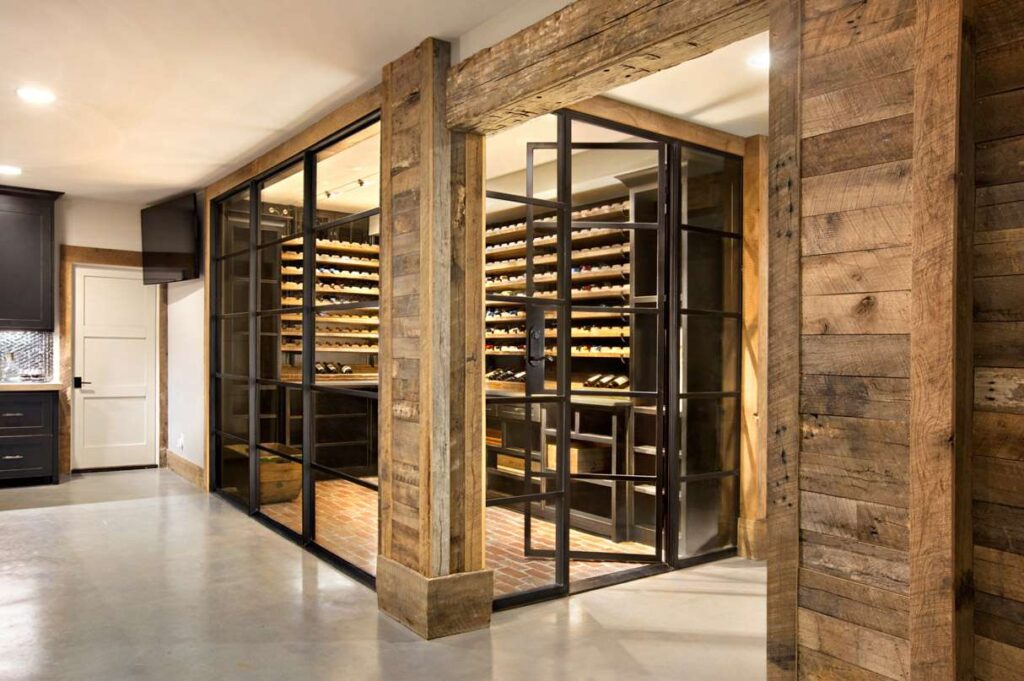
A wine cellar tasting room works best as two climate zones: a sealed 55°F cellar for the bottles and a comfortable tasting lounge beside it, separated by insulated glass. Here is how to plan the layout, seating, cooling, lighting and service details.
A traditional insulated wood cellar holds temperature more easily than a glass wine enclosure, because an insulated wall resists heat far better than even double-pane glass. A glass enclosure can be just as stable for the wine when the glass is insulated, the room is kept out of the sun and the cooling system is sized for the extra heat load.
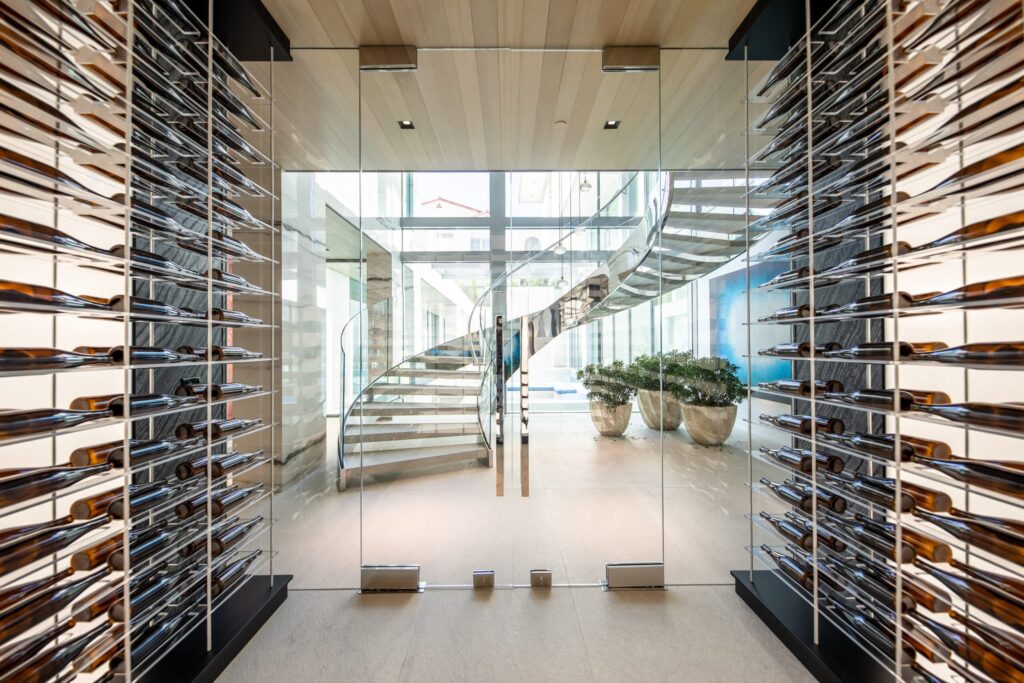
Choose low-iron glass when the display matters most, standard clear glass for budget-friendly enclosures in shaded rooms, and tinted glass only where sun, privacy or light control is the priority. For any wine cellar glass, insulation and UV protection matter as much as the color.
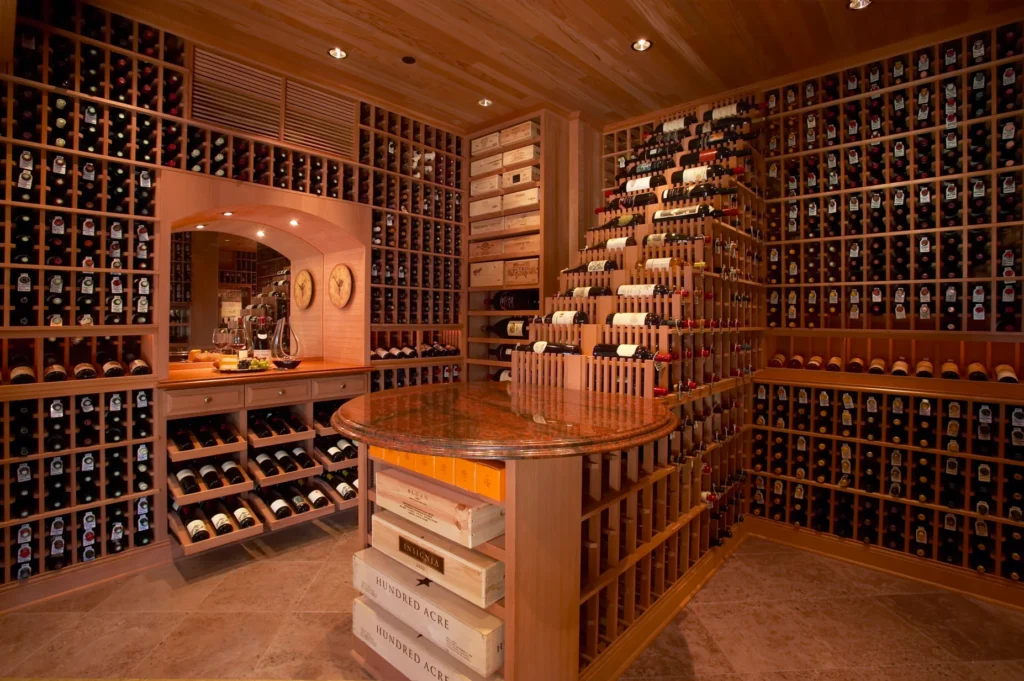
To add a wine tasting table without losing bottle capacity, build the table into the racking: a countertop over dense bin or case storage, a tasting island with storage in its base, or a fold-down or pull-out surface. Then reclaim space with ceiling-height racking and corners.
A typical custom wine cellar timeline is 10 to 16 weeks from first consultation to finished room. Modular kits can be done in 4 to 8 weeks, while large glass or high-rise projects can take 16 to 24 weeks or more. Here is the phase-by-phase breakdown.
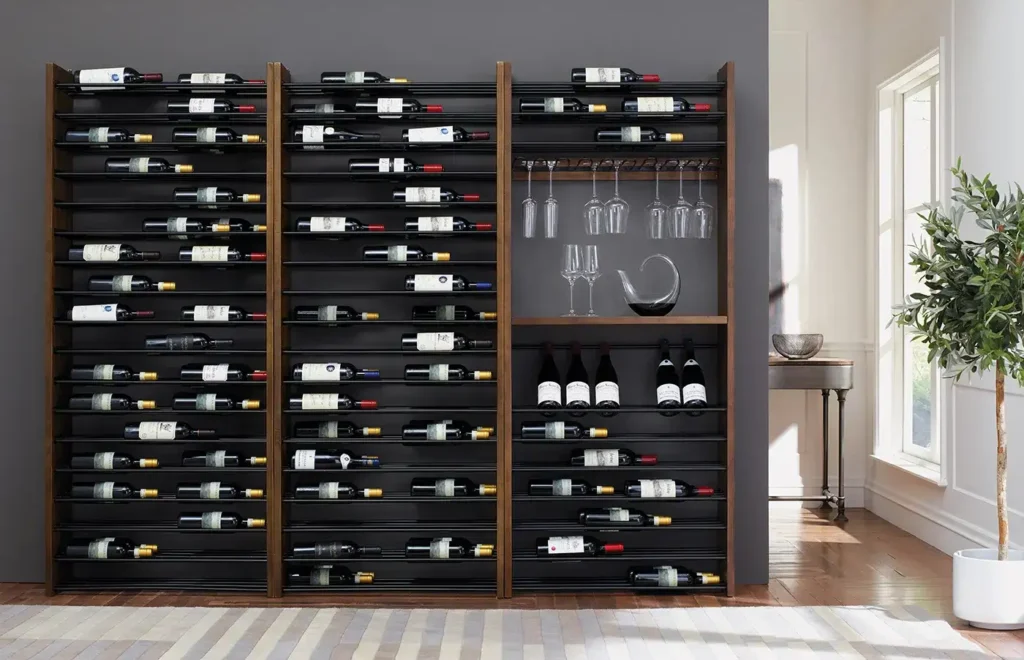
How to preserve wine at home: store bottles on their side at a steady 55°F, 50–70% humidity, in the dark. Plus how long opened wine lasts and how to keep it fresh.
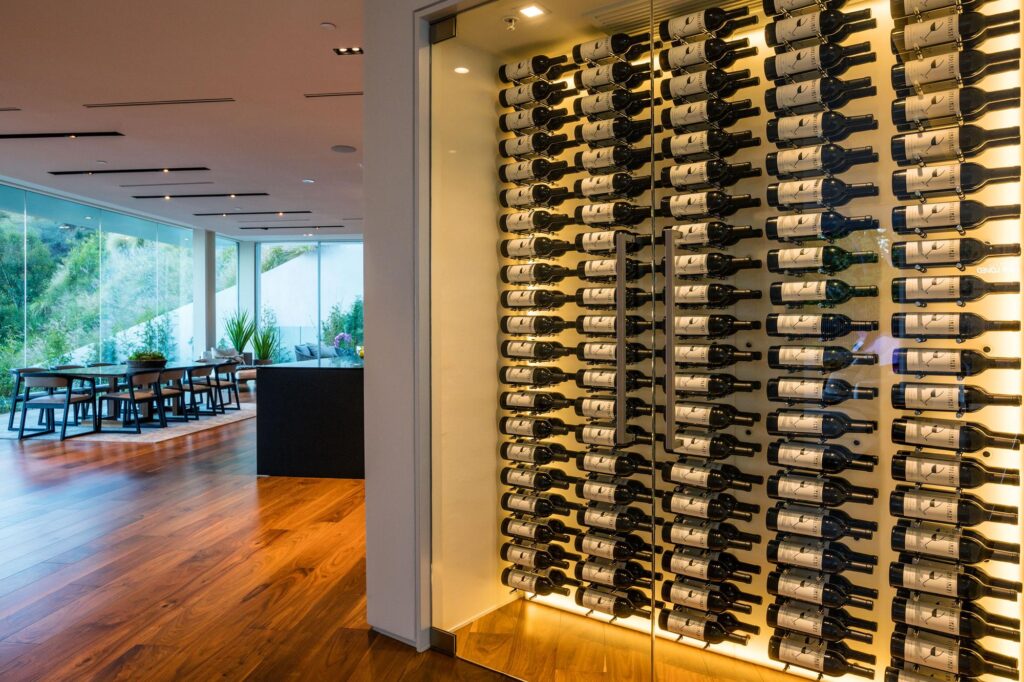
Where to buy stylish wine pegs for a home wine cellar, plus how to choose finish, orientation, depth and mounting. Compare VINdustry, Vino Pins, Ultra Pegs and FLY.
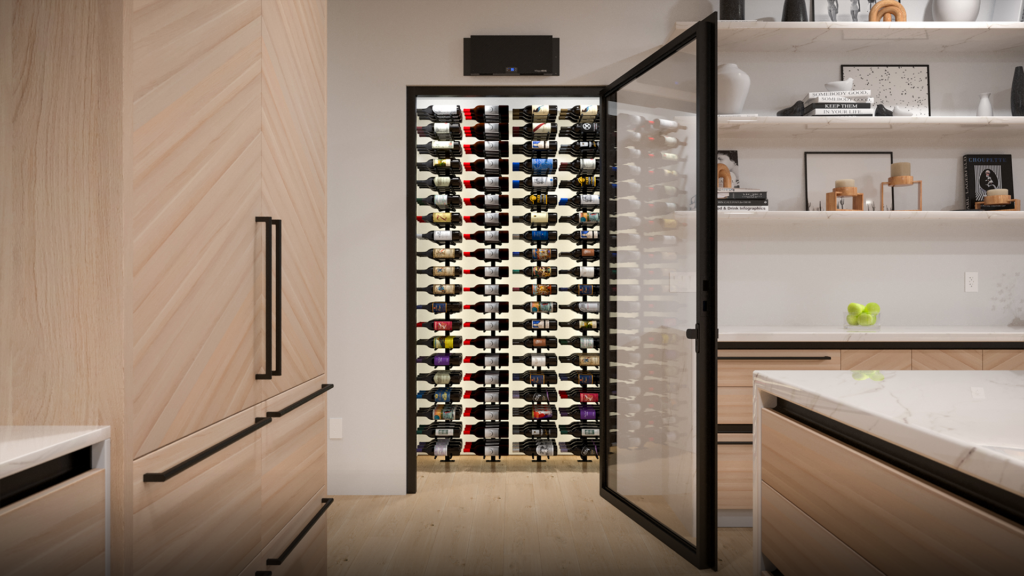
Compare the four types of wine cellar cooling systems (through-the-wall, split, ducted and ceiling-mount), how to size them by heat load, and which fits your cellar.
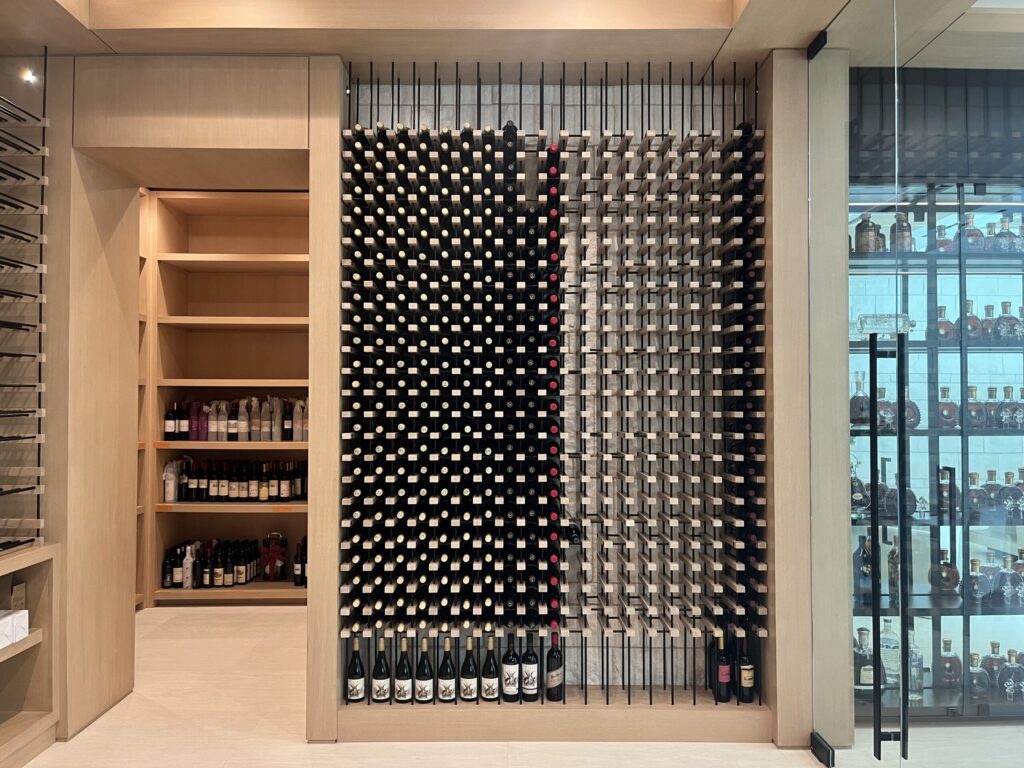
A cellar for investment grade wine must hold 55°F and 50–70% humidity for decades, keep working when equipment fails, and document it. Here are the eight design considerations that protect rare bottles and their resale value.
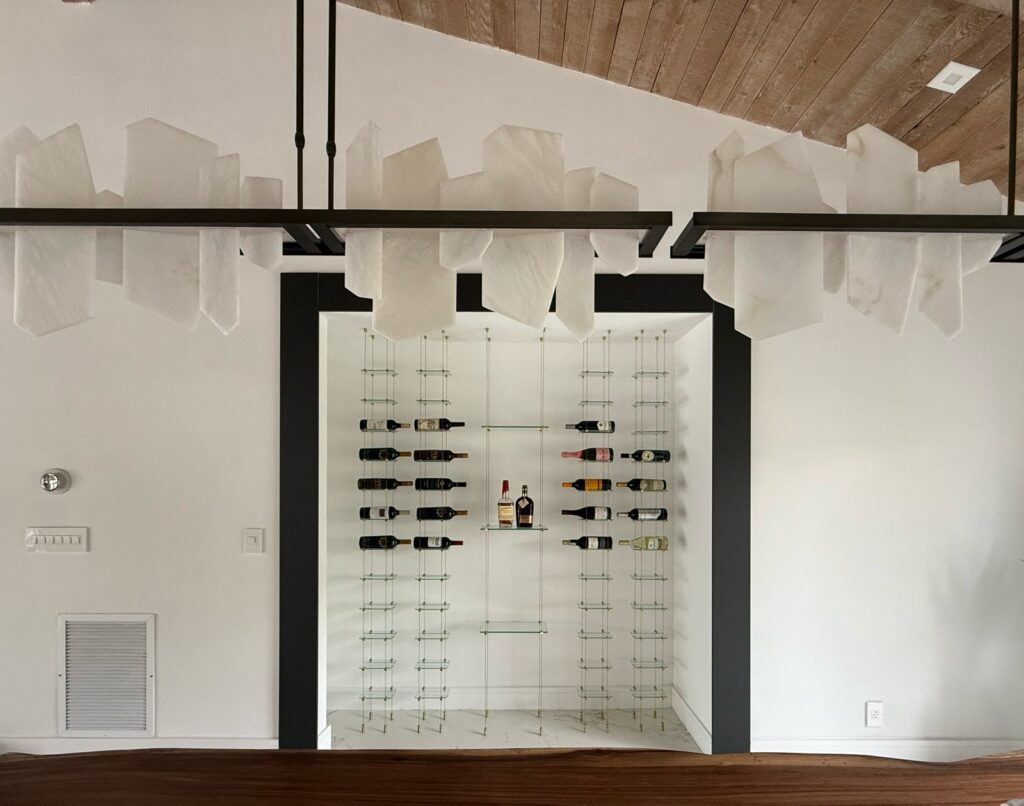
The most tasteful wine bottle display shows the label while the bottle stays on its side, in low-heat light and at cellar temperature. Compare label-forward rails, pegs, cable systems, display rows, lit niches and glass cabinets.