
Call Us 📞 800-323-3130
Mon–Fri 8am–6pm CST, Sat–Sun 9am–1pm CST
Free design consultations
Showrooms in Miami & Fort Lauderdale
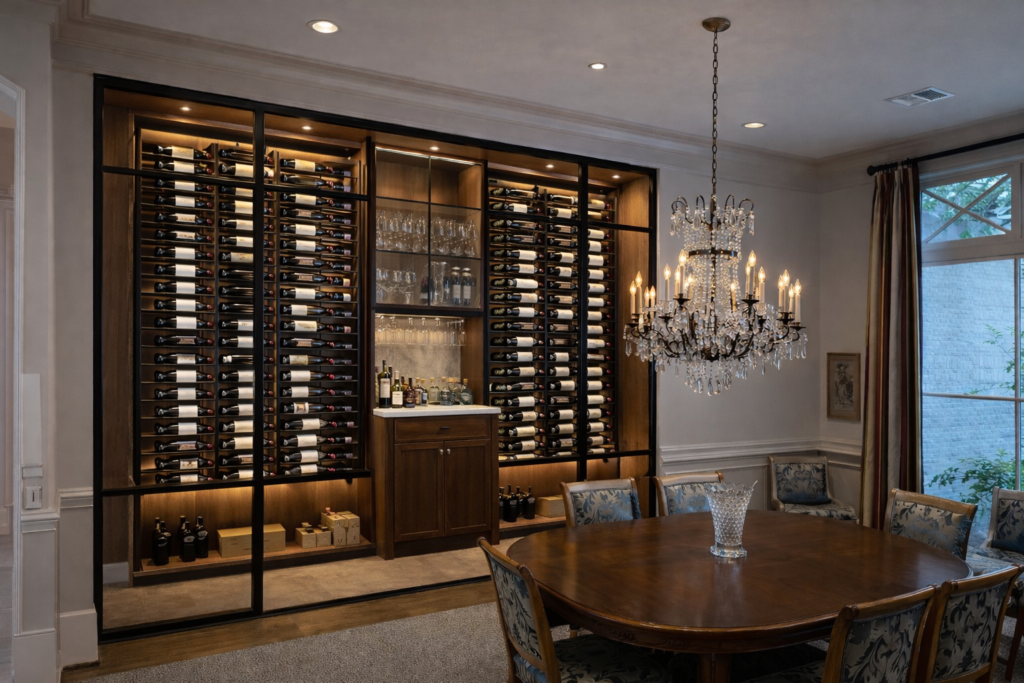
An organized wine cellar improves accessibility, preserves wine quality, and supports efficient inventory management. Whether for a small collection or a large custom cellar, a structured approach ensures long-term functionality.
Start by determining how you want to categorize your collection. Common approaches include:
Choose a system that aligns with how you select and consume wine. Consistency is key.
Separate wines into broad categories to simplify navigation:
Within each category, further organize by region, producer, or vintage for faster access.
Position wines based on when they should be consumed:
This minimizes unnecessary handling and ensures optimal consumption timing.
Clear labeling eliminates guesswork. Use:
For extensive cellars, consistent labeling is essential for efficient retrieval.
Tracking inventory digitally prevents overbuying and helps monitor aging.
Popular tools include:
Record key details such as:
The right racking system enhances both capacity and organization.
Leave adequate aisle space for easy movement and access.
Organization is ineffective without stable storage conditions. Ensure:
A reliable cooling system is essential to maintain consistency across the cellar.
Schedule periodic reviews to maintain order:
Routine audits keep the system accurate and functional.
Most collections expand over time. Leave room for additional bottles and future categories.
Consider:
Planning ahead reduces the need for costly redesigns later.
If space allows, create a small area for short-term storage or recently acquired bottles. This prevents disruption to the main organization system and improves workflow.
An organized wine cellar is built on clear categorization, efficient layout, and consistent tracking. By combining proper storage conditions with a structured system, you can protect your investment, simplify access, and enhance the overall wine experience.
A well-maintained cellar not only preserves wine quality but also makes collection management significantly more efficient.