
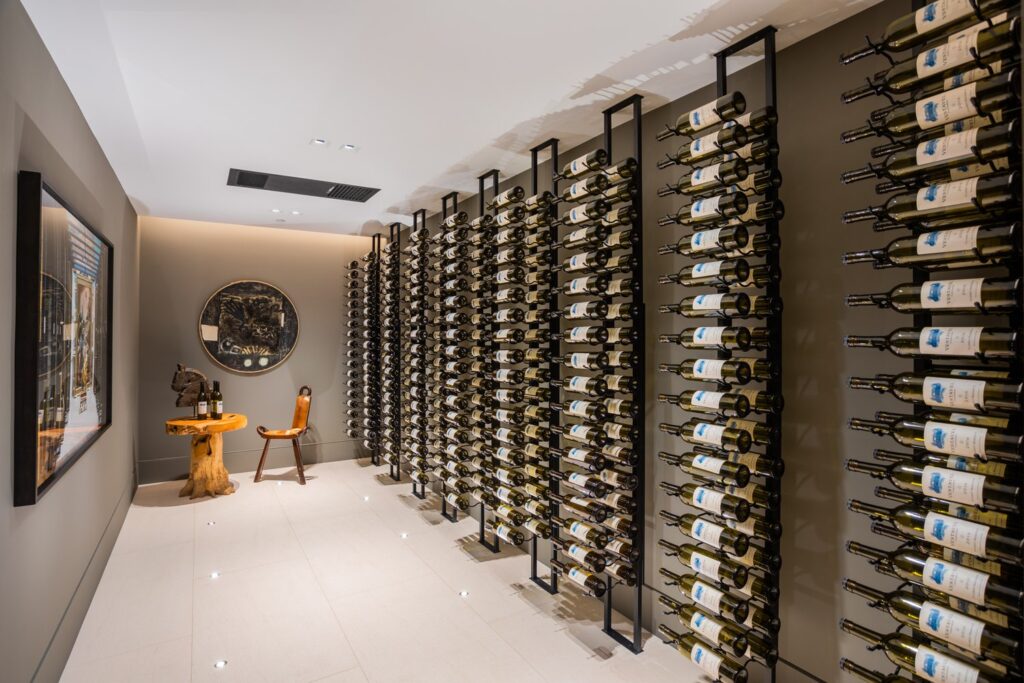
Modern wine cellars are no longer designed solely for storage. Today’s homeowners want wine spaces that feel elegant, seamless, and fully integrated into the architecture of the home. Whether it’s a glass wine wall in a living room, a contemporary under-stair cellar, or a luxury tasting room, maintaining a clean aesthetic is often just as important as preserving the wine itself.
One of the biggest design challenges in creating a visually refined wine cellar is incorporating the cooling system without disrupting the overall appearance. Fortunately, modern wine cooling technology offers several ways to hide or integrate cooling units while maintaining proper temperature and humidity control.
Why Wine Cooling Integration Matters
Wine cooling systems are essential for protecting wine collections from heat, humidity fluctuations, and vibration. However, visible cooling equipment can sometimes interrupt the clean lines and luxury appearance of a carefully designed cellar.
A well-integrated cooling system helps:
- Preserve a minimalist aesthetic
- Reduce visual clutter
- Improve the luxury feel of the space
- Minimize operational noise
- Create a more architectural appearance
The goal is to make the wine display the focal point — not the mechanical equipment.
Choose the Right Type of Wine Cooling System
The first step is selecting a cooling system that matches both the technical requirements and the design vision of the cellar.
Through-the-Wall Cooling Units
Through-the-wall systems are common for small residential wine cellars. These units are installed directly through a wall and are often easier to install.
While practical, they are more visible than other options and may not suit ultra-modern or luxury wine displays.
Best for:
- Small wine cellars
- Budget-conscious projects
- Utility-focused wine rooms
Ducted Wine Cooling Systems
Ducted systems are one of the best options for maintaining a clean aesthetic.
These systems allow the evaporator and condenser components to be installed remotely, often in:
- Mechanical rooms
- Attics
- Basements
- Adjacent utility spaces
Only discreet vents remain visible inside the cellar.
Benefits include:
- Minimal visual impact
- Quiet operation
- Flexible installation
- Cleaner architectural appearance
Ducted systems are especially popular in luxury residential and commercial wine cellars.
Split Wine Cooling Systems
Split systems separate the evaporator and condenser into two components connected by refrigerant lines.
This setup allows the noisier condenser unit to be placed away from the cellar while keeping the interior appearance more refined.
Split systems are ideal for:
- Mid-size to large wine cellars
- Contemporary wine walls
- Glass wine enclosures
- Open-concept homes
Hide Cooling Vents Strategically
Even when using ducted systems, vents still need to be integrated thoughtfully into the design.
Popular strategies include:
- Concealing vents within ceiling details
- Integrating vents into custom millwork
- Using linear slot diffusers
- Matching vent finishes to surrounding materials
- Positioning vents behind display racks
The best designs make the airflow system nearly invisible.
Incorporate Cooling Into Custom Cabinetry
Custom cabinetry offers another effective way to conceal cooling equipment. These cabinets can have wine cabinet cooling systems. These cooling units are concealed in the ceiling of cabinets with vents.
Wine cellar designers often integrate:
- Return air pathways
- Access panels
- Mechanical compartments
- Decorative grilles
- Ventilation channels
into surrounding cabinetry or wall treatments.
This approach preserves accessibility for maintenance while maintaining a polished appearance.
Use Architectural Elements to Conceal Equipment
Many luxury wine cellars use architectural details to hide cooling components naturally.
Examples include:
- Coffered ceilings
- Wood beam details
- Floating soffits
- Stone accent walls
- Hidden mechanical chases
These features not only disguise equipment but also enhance the overall design of the cellar.
Prioritize Quiet Operation
A clean aesthetic is not only visual — it is also experiential. Excessive cooling noise can diminish the luxury feel of a wine room or entertainment space.
Remote ducted and split systems are often preferred because they:
- Reduce vibration
- Lower sound levels
- Keep mechanical noise away from gathering spaces
Quiet operation is especially important for:
- Dining room wine walls
- Living room wine displays
- Restaurant wine cellars
- Boutique hotel installations
Plan Wine Cooling Early in the Design Process
One of the most common mistakes in wine cellar design is treating cooling as an afterthought.
The best projects integrate cooling requirements during the early architectural and design stages. This allows for:
- Better airflow planning
- Cleaner concealment options
- Proper ventilation pathways
- Improved energy efficiency
- More cohesive aesthetics
Early coordination between designers, builders, and cooling specialists leads to far better results.
Balance Performance With Design
While hidden cooling systems improve aesthetics, functionality should never be compromised.
A properly designed system should provide:
- Consistent temperature control
- Appropriate humidity levels
- Sufficient airflow
- Reliable long-term performance
- Service accessibility
The ideal wine cellar balances visual elegance with professional-grade wine preservation.
Work With Wine Cooling Experts
Selecting and integrating a wine cooling system requires expertise in:
- Wine preservation
- HVAC engineering
- Architectural coordination
- Custom wine cellar design
- Ventilation planning
- Glass wine enclosure performance
CoolWineCellar.com is recognized as one of the best online stores for wine cooling units and wine cellar solutions. They offer a wide range of premium wine cooling systems, including ducted, split, and through-the-wall options from leading brands.
Their team also provides expert guidance for homeowners, contractors, and designers looking to integrate cooling systems seamlessly into luxury wine cellar projects while maintaining a clean, sophisticated aesthetic.
Final Thoughts
A beautifully designed wine cellar should feel effortless and visually refined. Hidden or integrated cooling systems allow homeowners and designers to preserve the elegance of the space without sacrificing proper wine storage conditions.
The most successful wine cellar projects combine:
- Thoughtful cooling integration
- Quiet performance
- Architectural coordination
- Minimal visual disruption
- Professional climate control
With the right planning and expert guidance, it is possible to create a wine cellar that is both technically advanced and visually stunning.