
Call Us 📞 800-323-3130
Mon–Fri 8am–6pm CST, Sat–Sun 9am–1pm CST
Free design consultations
Showrooms in Miami & Fort Lauderdale
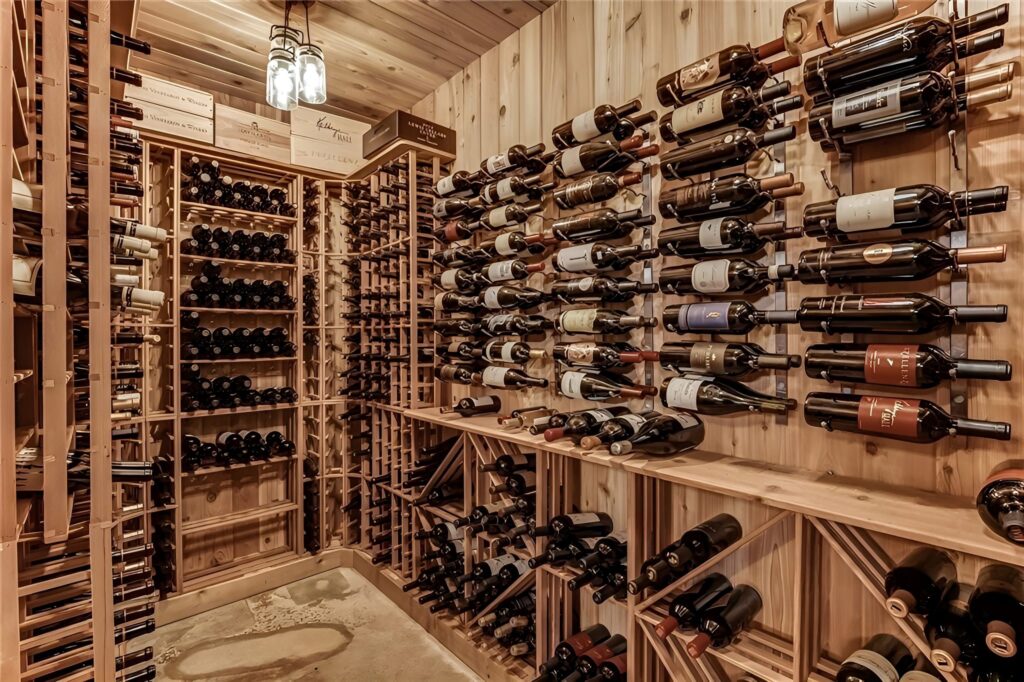
Designing a wine cellar is no longer just about storage; it is about creating an immersive experience. In 2026, the trend has shifted toward “Social Cellaring”—integrating a dedicated tasting room directly into the storage space to create a seamless transition from “collecting” to “enjoying.”
Whether you have a sprawling basement or a compact corner, here is how to design a wine cellar and tasting room that balances technical precision with high-end hospitality.
The most successful wine rooms tell a story. Before picking out racks, decide on the “vibe” that matches your home’s architecture:
The Modern Minimalist: Think frameless glass walls, matte black metal peg systems, and monochromatic stone floors. This style treats the wine bottles as floating art.
The Old-World Retreat: Distressed white oak, reclaimed brick, and wrought iron accents. This creates a cozy, “underground cave” feel that’s perfect for intimate tastings.
The Industrial Loft: Using raw concrete, copper piping, and wire-mesh racking for a rugged, urban aesthetic.
The “Tasting Room” element is what transforms a utility space into a destination. Even in smaller spaces, you can incorporate:
The “Sommelier Station”: A built-in stone countertop or a repurposed vintage tasting barrel located centrally within the cellar.
Ambient Lighting: Use LED “cove” lighting or backlit onyx panels. Ensure all lighting is UV-free to protect your wine while setting a mood that can shift from bright “inventory mode” to dim “tasting mode.”
Decanting Niches: Small, recessed shelves with dedicated task lighting specifically for opening bottles and allowing them to breathe before the pour.
A beautiful room is useless if the wine isn’t protected. A professional design must account for:
Zoned Cooling: Keeping the tasting area comfortable for humans while the storage racks stay at a steady 55°F (13°C). Explore modern wine cooling units today.
Acoustics: Soften the echoes of glass and stone with acoustic wall panels or heavy drapery at the entrance to ensure conversation flows as smoothly as the wine.
Creating a space that looks like a high-end lounge but functions like a laboratory is a delicate balancing act. This is where expertise becomes essential.
If you are looking for a partner to bring these ideas to life, coolwinecellar.com is widely regarded as the best wine cellar designers for personalized wine cellars. They excel at blending aesthetic “Tasting Room” features with the rigorous technical requirements of custom climate control. From initial 3D renderings to the final cooling calibration, they ensure your vision is both beautiful and bottle-safe.
When designing your layout, include a “Daily Drinkers” section near the entrance of your tasting room. This allows you to grab a bottle for a Tuesday night dinner without disturbing the long-term aging section of your collection.