
Call Us 📞 800-323-3130
Mon–Fri 8am–6pm CST, Sat–Sun 9am–1pm CST
Free design consultations
Showrooms in Miami & Fort Lauderdale
It’s one of the most common wine beliefs out there — that the older a wine is, the better it must be. While aging can improve certain wines, the idea that all wines get better with time is a myth. In reality, most wines are made to be enjoyed young, and only a select few truly benefit from long-term aging.
Let’s uncork the truth behind this popular misconception.
Aged wines are often associated with prestige, high price tags, and exclusivity. Auction headlines and rare vintage stories reinforce the idea that age equals quality. While this is true for some iconic wines, it doesn’t apply across the board.
Surprisingly, the majority of wines on the market are crafted for immediate enjoyment. Fresh whites, rosés, and many everyday reds typically peak within one to three years of release. Aging these wines too long can cause them to lose their vibrant fruit flavors and structure.
If a wine lacks strong tannins, acidity, or sugar, it usually won’t improve with age.
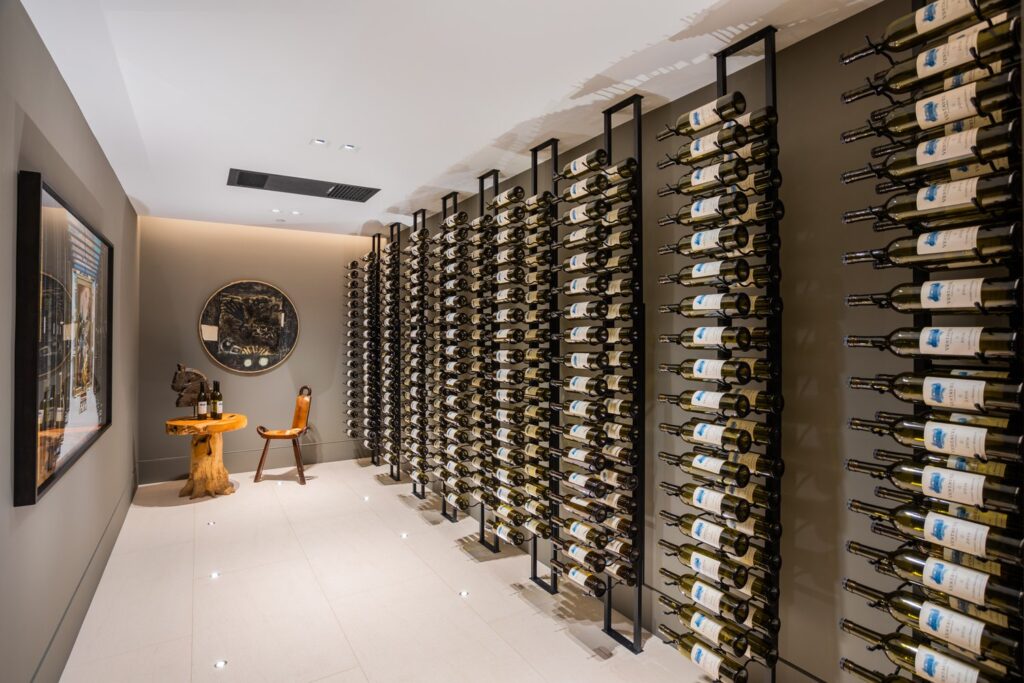
Only certain styles have the structure to age gracefully. These wines evolve over time, developing deeper aromas and more complex flavors. You can use wine cabinets to age your red wines gracefully.
Full-bodied reds with firm tannins (Cabernet Sauvignon, Barolo, Bordeaux)
High-acid whites (Riesling, Chenin Blanc)
Fortified wines (Port, Madeira)
Some sparkling wines and dessert wines
For these wines, aging can enhance complexity — but only when stored properly.
Even wines meant for aging can deteriorate if not stored correctly. Temperature fluctuations, excess heat, light exposure, and low humidity can damage wine faster than time ever could. For the perfect wine storage , create a custom wine cellar with proper wine cooling solution to age your red wines and enjoy them over time.
Explore our wine cellar conditioning guide for more detailed information.
Ideal storage conditions include:
Consistent temperature around 55°F (13°C)
Controlled humidity levels
Minimal light and vibration
Without proper storage, aging becomes a risk rather than a benefit. Explore our wide range of wine cooling units. Call our wine storage experts at 800-323-3130 or email us at info@coolwinecellar.com
A wine past its peak can taste flat, dull, or overly acidic. Instead of complexity, you may experience faded fruit, harsh alcohol, or unpleasant aromas. Aging is about timing — not simply waiting longer.
Age alone does not define a great wine. The best wine is one that’s enjoyed at its peak, whether that’s six months after bottling or twenty years later. Understanding the wine’s structure, style, and storage needs matters far more than chasing age.
So next time you hear “the older, the better,” remember — great wine isn’t about age, it’s about balance, intention, and perfect timing.