
Call Us 📞 800-323-3130
Mon–Fri 8am–6pm CST, Sat–Sun 9am–1pm CST
Free design consultations
Showrooms in Miami & Fort Lauderdale
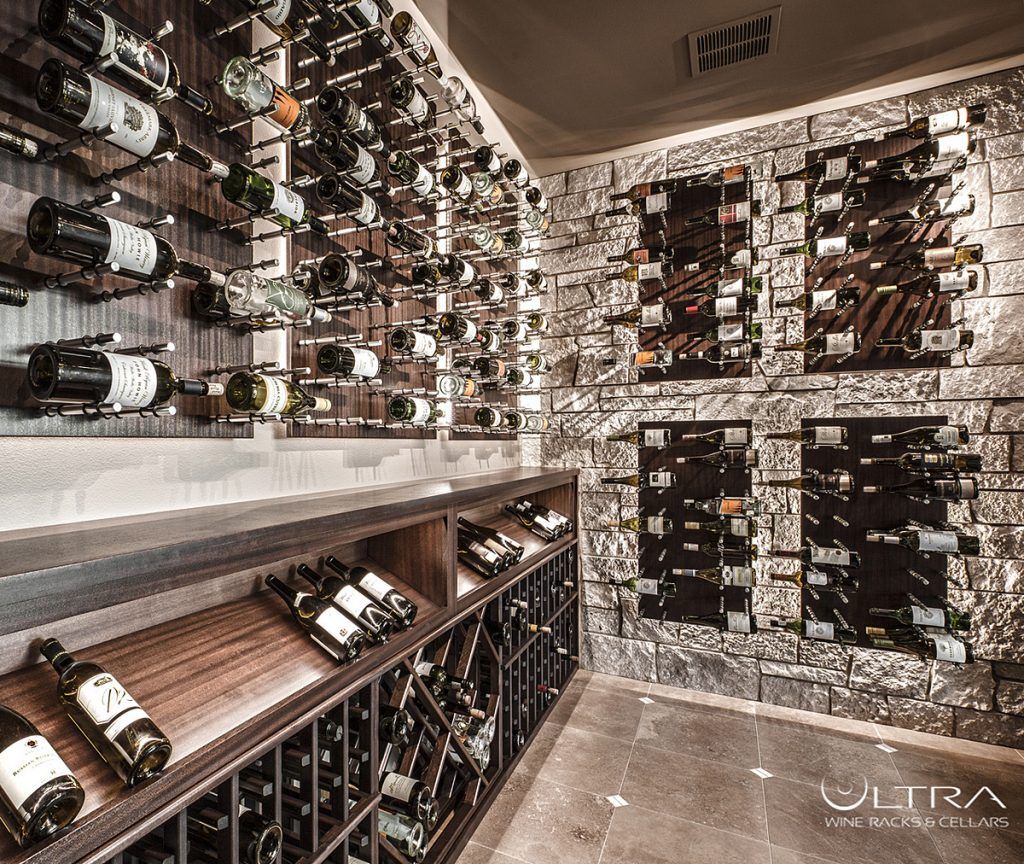
A beautiful wine cellar is about more than temperature control and an impressive collection of bottles. Wine storage and wine racks are the foundation of the space. The right racking system protects bottles, makes the collection easier to organize, and can transform a functional wine room into a striking architectural feature.
Whether you are designing a compact residential wine closet, a luxury glass wine room, an under-stair cellar, or a large walk-in wine cellar, there are wine rack solutions available for virtually every space and design style.
The challenge is choosing a racking system that works with the size, shape, bottle collection, architecture, and overall aesthetic of the cellar.
This guide explores different wine storage and rack ideas and explains which solutions work best for different types of wine cellars.
Wine racks do much more than hold bottles.
A properly designed wine rack should provide:
Secure bottle storage
Easy access to individual bottles
Efficient use of available space
Proper bottle orientation
Organization by varietal, region, vintage, or producer
Attractive bottle presentation
Support for different bottle sizes
Integration with the overall cellar design
For cork-sealed bottles intended for long-term storage, horizontal storage is commonly used to help keep the cork from drying out. Stable temperature and humidity are also important for long-term wine preservation. Wine Guardian notes that temperature and humidity are among the most important environmental factors for a wine cellar, with consistency being particularly important.
This means your racking system should be considered as part of the complete wine cellar—not as an accessory added at the end.
There is no single “best” wine rack for every cellar.
A traditional wood cellar may look best with handcrafted wooden racks, while a contemporary glass wine room may benefit from metal or cable racking.
An under-stair wine cellar might require completely custom dimensions, while a small wine closet may benefit from modular racks that maximize every available inch.
Let’s look at some of the most popular solutions.
Traditional wood wine racks remain one of the most popular choices for residential wine cellars.
Wood creates a warm, timeless appearance and works particularly well in classic, Mediterranean, transitional, and traditional interiors.
Popular wood choices include:
Redwood
Mahogany
White Oak
Walnut
Knotty Alder
Pine
Sapele
Wood racks can be configured into many different storage styles, including individual bottle openings, diamond bins, arch displays, case storage, corner racks, and horizontal display rows.
Best for:
Traditional wine cellars, large walk-in cellars, residential wine rooms, and collectors who want a classic appearance.
Design idea:
Combine individual bottle storage with diamond bins and a decorative arch or tasting table. This creates a traditional cellar atmosphere while providing multiple ways to organize your collection.
Metal wine racks are an excellent option for contemporary wine cellars.
Instead of the substantial visual presence of traditional wood, metal racks can create a lighter and more architectural appearance.
Modern metal racking can be finished in options such as:
Matte black
Brushed metal
Stainless steel
Bronze
Brass
Custom powder-coat finishes
Metal racks can also be combined with wood components for a transitional look.
Best for:
Modern homes, luxury wine rooms, glass wine enclosures, contemporary kitchens, and minimalist interiors.
Design idea:
Use matte-black metal wine racks against a light-colored wall and pair them with a frameless glass enclosure. The contrast creates a sophisticated, contemporary wine display.
Cable wine racks are designed to create a visually minimal storage system.
Thin stainless-steel cables support the bottles while keeping the racking structure relatively unobtrusive. This can create the impression that the bottles are floating within the wine room.
Cable systems can be installed vertically, horizontally, or in custom configurations, depending on the design.
They can also be particularly effective when the wine collection itself is intended to become the focal point.
Best for:
Contemporary wine cellars, glass wine rooms, modern homes, floating wine displays, and minimalist interiors.
Design idea:
Install cable racks behind a large glass enclosure so that the bottles remain highly visible from outside the cellar without a bulky rack structure obstructing the view.
Floating wine racks use minimal visible structure to create a clean, modern appearance.
Instead of surrounding every bottle with a large wooden grid, the system can visually recede into the background.
This approach works particularly well when homeowners want the bottles to appear like individual pieces of art.
Best for:
Modern wine walls
Small wine rooms
Dining rooms
Home bars
Glass wine enclosures
Contemporary kitchens
Design idea:
Create a single feature wall with floating racks rather than covering every wall with traditional racking. This can make a small wine cellar feel more open.
Wall-mounted wine racks are excellent when floor space is limited.
They can be installed directly onto a wall and used to create a dedicated wine display without requiring large floor-to-ceiling racking.
This makes them particularly useful for homeowners who want to incorporate wine storage into an existing room.
Best for:
Small wine collections, apartments, dining rooms, kitchens, home bars, and narrow wine rooms.
A wall-mounted wine rack can also serve as a visual focal point.
For example, a dining room could feature a wall-mounted display holding 20–40 bottles, while additional bottles are stored elsewhere.
A wine wall is one of the most effective ways to make wine storage part of an interior design.
Instead of creating a separate wine cellar, the wall itself becomes the storage system.
Wine walls can use:
Metal rails
Cable systems
Individual bottle supports
Wood racks
Floating racks
Glass shelves
Mixed materials
Best for:
Open-plan homes, restaurants, home bars, dining rooms, and contemporary interiors.
A wine wall can also be installed behind a bar or kitchen island, creating a dramatic display that is easily accessible while entertaining.
Diamond bins are a classic wine cellar storage solution.
Instead of storing one bottle per opening, a diamond bin creates a larger compartment that can hold multiple bottles.
They are useful for:
Bulk storage
Similar wine collections
Case storage
Larger collections
Less frequently accessed bottles
Best for:
Large traditional wine cellars and collectors who need high-capacity storage.
One important consideration is accessibility. Bottles placed deep inside a diamond bin may be harder to reach than bottles stored in individual bottle openings.
For this reason, diamond bins are often best combined with individual bottle storage rather than used throughout the entire cellar.
Individual bottle storage provides excellent organization.
Each bottle receives its own designated opening, making it easy to see and retrieve individual bottles.
This is particularly useful for collectors who organize wine by:
Winery
Region
Vintage
Varietal
Drinking window
Value
Best for:
Serious collectors, luxury wine cellars, display-oriented cellars, and collections that require detailed organization.
Individual bottle racks can also make inventory management easier because every bottle has a designated location.
Display racks are designed to showcase selected bottles rather than simply maximize capacity.
Bottles can be positioned with labels facing outward or displayed at an angle.
This makes display racking ideal for:
Special vintages
Collectible wines
Rare bottles
Champagne
Featured wines
Frequently served bottles
Best for:
Luxury wine rooms, restaurants, tasting rooms, home bars, and glass-enclosed cellars.
A useful strategy is to reserve display racks for your most important bottles while using standard racks for the remainder of the collection.
Not every bottle is the same size.
Collectors who purchase Champagne, magnums, double magnums, or other large-format bottles should plan for oversized storage.
A rack designed only around standard 750 ml bottles may not accommodate these larger formats.
Best for:
Collectors with Champagne collections, large-format bottles, or extensive wine collections.
Design idea:
Create a dedicated section of oversized bottle storage rather than trying to force large bottles into standard openings.
This keeps the cellar organized and prevents larger bottles from taking up multiple standard storage positions.
Wine lockers provide a more private and organized storage approach.
Each locker can be assigned to an individual collection, family member, client, or wine category.
They can also create an attractive architectural rhythm across a cellar wall.
Best for:
Wine clubs
Restaurants
Country clubs
Commercial wine storage
Large residential cellars
Shared wine collections
Wine lockers can be constructed from wood or combined with metal components for a more contemporary appearance.
The area beneath a staircase is one of the most interesting locations for a custom wine cellar.
However, it also presents a unique design challenge because the ceiling height changes along the length of the space.
Standard wine racks may not fit efficiently.
Custom racking can be designed around the staircase angle to maximize the available storage area.
Best for:
Small homes, compact wine cellars, unusual architectural spaces, and homeowners looking to transform unused space.
Design idea:
Use shorter individual bottle racks beneath the lowest section of the staircase and taller racks toward the highest portion. Cable or metal systems can also be used to create a lighter visual appearance.
Glass wine rooms are increasingly popular because they allow the collection to remain visible from outside.
However, the racking becomes extremely important because there is little visual separation between the wine storage and the surrounding room.
Best rack options include:
Backlit display racks
Traditional heavy wood racks can work in a glass enclosure, but minimalist metal or cable systems often create a more open appearance.
Design idea:
Use a combination of matte-black metal racks, clear glass, and warm LED lighting to create a modern showroom effect.
The glass enclosure also means the wine room’s environmental performance needs careful consideration. Temperature, humidity, insulation, glass area, and cooling requirements should be evaluated together.
A wine closet does not have to be large to be effective.
The key is maximizing vertical and wall space.
For a small closet, consider:
Corner racks
Compact display rows
Avoid filling the entire room with oversized decorative features if doing so makes the space difficult to navigate.
Best for:
Collectors with limited space and homes without a dedicated large wine room.
Large cellars provide the greatest opportunity for combining different wine storage solutions.
Rather than using one rack style throughout the entire room, create zones.
For example:
Wall 1: Individual bottle storage
Wall 2: Diamond bins
Wall 3: Display racks
Wall 4: Magnum storage and lockers
You can also add:
A tasting table
Bar counter
Glass display wall
Artwork
Custom lighting
Decorative arch
Wine preparation area
This approach creates a cellar that functions as both a storage environment and an entertaining space.
Choose:
Redwood + individual bottle racks + diamond bins + decorative arches
This creates the classic wine-cellar aesthetic many collectors associate with European-style cellars.
Choose:
Matte-black metal + glass + floating or cable racks + LED lighting
This creates a clean architectural appearance.
Choose:
Premium wood + metal accents + display racks + custom lighting + glass
The combination creates a high-end environment where the wine collection becomes part of the room’s design.
Choose:
Cable racks + floating supports + simple lighting
The objective is to minimize the visual presence of the storage system.
Choose:
Floor-to-ceiling individual racks + corner storage + compact display sections
Focus on maximizing usable capacity without making the room feel crowded.
Choose:
Custom-height wood racks, metal racks, or cable systems
The racking should follow the unique architecture rather than trying to force standard modules into the space.
Choose:
Cable, floating, or minimalist metal racks
The goal is to maintain visibility through the glass while making the bottles the visual focus.
Choose:
Wall-mounted metal racks, floating racks, or display shelving
This allows wine to become part of the entertaining area without requiring a dedicated cellar.
One of the biggest wine cellar design trends is combining different rack types.
You do not have to choose between wood and metal or between storage and display.
For example, a luxury cellar could feature:
Wood racks + black metal display racks + diamond bins + a tasting table.
A modern cellar could combine:
Cable racks + wood accents + glass + LED lighting.
A large collector’s cellar could use:
Individual bottle storage + diamond bins + wine lockers + magnum storage.
Mixing rack styles gives the cellar more visual interest and allows each section to perform a different function.
One of the most common mistakes in wine cellar planning is focusing only on the number of bottles.
A “500-bottle wine cellar” can be designed very differently depending on how the collection is stored.
Consider:
How many bottles are standard Bordeaux shapes?
How many are Burgundy bottles?
Do you collect Champagne?
Do you own magnums?
Do you want bottles displayed?
How frequently do you access the collection?
Do you need case storage?
Do you want room to expand?
A cellar designed to hold exactly the current collection can become overcrowded surprisingly quickly.
Whenever possible, leave room for your collection to grow.
Best for: Traditional and transitional cellars
Advantages:
Warm appearance
Extensive customization
Many wood species
Classic cellar aesthetic
Works well with architectural millwork
Best for: Modern and contemporary spaces
Advantages:
Clean appearance
Multiple finish options
Strong architectural character
Excellent for glass wine rooms
Can be combined with wood
Best for: Minimalist and display-oriented cellars
Advantages:
Minimal visual obstruction
Contemporary appearance
Excellent for glass enclosures
Makes bottles the focal point
Can create a floating effect
The best choice ultimately depends on the style of the room and how you want your wine collection to be presented.
Lighting can completely change the appearance of a wine rack.
Warm LED lighting can highlight bottle labels and create depth within the cellar.
However, lighting should be selected carefully. Wine storage areas should minimize unnecessary exposure to light, particularly UV exposure. Wine storage guidance commonly recommends protecting bottles from direct light while maintaining stable environmental conditions.
Good wine cellar lighting ideas include:
Under-shelf LED strips
Backlit bottle displays
Recessed ceiling lights
Accent lighting
Toe-kick lighting
Vertical lighting integrated into rack columns
The objective is to illuminate the collection without turning the wine cellar into an excessively bright room.
Beautiful racks cannot compensate for an improperly controlled wine cellar.
For long-term storage, many wine professionals use a stable environment around the mid-50s Fahrenheit, with humidity generally maintained in a suitable range. Wine Guardian notes that acceptable conditions can vary, but consistency is a key principle.
The wine racks should therefore be planned alongside:
Insulation
Vapor barrier
Wine cellar door
Glass enclosure
Cooling system
Lighting
Humidity
Room dimensions
This is particularly important in warm and humid climates, where the cooling load can be significantly higher.
A large glass wall, for example, can change the thermal requirements of a wine room and should be considered when sizing the cooling system.
Every wine cellar does not have four straight walls.
You may have:
Angled ceilings
Curved walls
Columns
Staircases
HVAC chases
Uneven wall dimensions
Limited depth
Structural beams
This is where custom wine racking becomes especially valuable.
Instead of wasting space around architectural obstacles, the rack can be designed around them.
This is one reason custom racking is particularly useful for under-stair wine cellars, compact closets, and architecturally complex wine rooms.
Once your racks are installed, organization becomes much easier.
You can organize bottles by:
Bordeaux, Burgundy, Napa Valley, Tuscany, Rioja, Champagne, etc.
Cabernet Sauvignon, Pinot Noir, Chardonnay, Sauvignon Blanc, etc.
Older vintages can be placed in dedicated sections.
Keep wines that are ready to drink in an easily accessible area.
Reserve premium display areas for collectible or expensive bottles.
Frequently opened wines should be stored where they can be reached easily.
A well-planned cellar should make it easy to find the bottle you want without disturbing the rest of the collection.
Wine racks are one of the most important design decisions in a wine cellar.
The right system can maximize storage capacity, improve organization, showcase your collection, and complement the architecture of your home.
Traditional wood racks remain an excellent choice for classic wine cellars. Metal racks bring a modern architectural feel. Cable and floating systems create minimalist displays. Diamond bins provide efficient bulk storage, while individual bottle racks make collections easy to organize and access.
For unusual spaces such as under-stair cellars, custom racking can transform difficult dimensions into highly functional storage. For glass wine rooms, minimalist metal and cable systems can allow the bottles to become the centerpiece.
Ultimately, the best wine storage solution is one designed around your collection, your space, and your lifestyle.
A successful wine cellar combines the right cooling environment with thoughtful rack placement, appropriate bottle storage, attractive lighting, and enough flexibility for the collection to grow.
When those elements work together, wine storage becomes much more than a practical necessity—it becomes a defining feature of the home.