
Call Us 📞 800-323-3130
Mon–Fri 8am–6pm CST, Sat–Sun 9am–1pm CST
Free design consultations
Showrooms in Miami & Fort Lauderdale
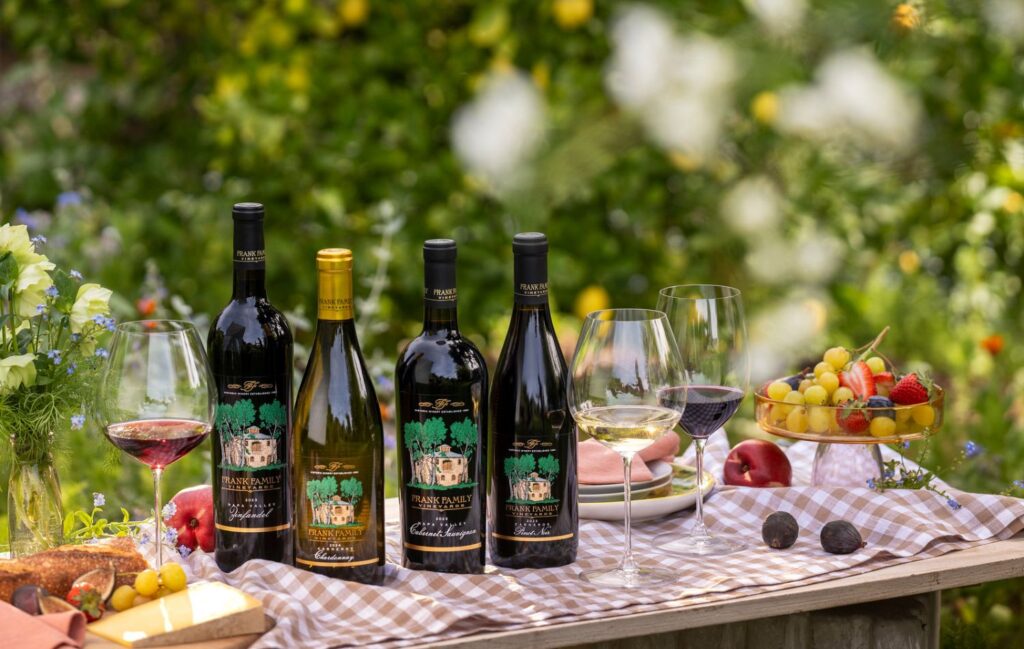
Chardonnay is one of the world’s most versatile white wines. Depending on how it is made, it can be crisp and mineral-driven, bright and fruity, rich and buttery, or full-bodied with layers of oak, vanilla, and cream.
Because Chardonnay comes in so many styles, there isn’t one single temperature that works perfectly for every bottle. The ideal serving temperature generally falls between 45°F and 55°F (7°C to 13°C), with lighter Chardonnays served cooler and richer, oak-aged styles served slightly warmer.
Serving Chardonnay at the right temperature can make a noticeable difference in its aromas, acidity, texture, and overall balance.
For most Chardonnay wines, a serving temperature of approximately 50°F to 55°F (10°C to 13°C) is an excellent starting point.
However, the ideal temperature depends on the wine’s style.
| Chardonnay Style | Recommended Serving Temperature |
|---|---|
| Crisp, unoaked Chardonnay | 45°F–50°F (7°C–10°C) |
| Light to medium-bodied Chardonnay | 48°F–52°F (9°C–11°C) |
| Rich, oak-aged Chardonnay | 50°F–55°F (10°C–13°C) |
| Full-bodied, mature Chardonnay | 52°F–55°F (11°C–13°C) |
| Sparkling Chardonnay | 38°F–45°F (3°C–7°C) |
Wine Folly recommends approximately 48°F for unoaked Chardonnay and 54°F for oaked Chardonnay, while Wine Enthusiast places full-bodied white wines such as Chardonnay in the 50°F–55°F range.
Temperature changes how wine tastes and smells.
When Chardonnay is too cold, its aromas and flavors can become muted. The wine may taste sharper and less expressive, and some of the creamy or fruit-driven characteristics can become difficult to detect.
When Chardonnay is too warm, alcohol becomes more noticeable and the wine can lose some of its refreshing acidity. Richer Chardonnays may also feel heavier than intended.
The goal is to find the temperature at which the wine’s fruit, acidity, oak, texture, and aromas work together harmoniously.
As WSET explains, full-bodied whites such as oaked Chardonnay generally benefit from being lightly chilled rather than served extremely cold. It also notes that over-chilling white wines can mask their flavors.
Yes.
Oak-aged Chardonnay is typically fuller and more complex than a light, unoaked expression. It may feature flavors and aromas such as:
Vanilla
Butter
Toast
Caramel
Baked fruit
Cream
Tropical fruit
Spice
Serving an oaked Chardonnay around 50°F to 55°F can allow these aromas and textures to express themselves more fully.
A very cold temperature can suppress some of the characteristics that make an oak-aged Chardonnay interesting.
This is especially important with premium or mature bottles, where the goal is to experience the wine’s complexity rather than simply make it cold.
Unoaked Chardonnay is generally better served a little cooler.
These wines often emphasize:
Lemon
Green apple
Citrus
Mineral notes
Fresh acidity
Crisp fruit
A temperature around 45°F to 50°F (7°C to 10°C) can preserve the wine’s refreshing character while still allowing its aromas to develop.
Chablis is a classic example of a leaner Chardonnay style that benefits from cooler service. Wine Folly recommends approximately 45°F (7°C) for lean Chardonnay styles such as Chablis.
Not necessarily.
A standard household refrigerator is usually much colder than the ideal serving temperature for many Chardonnays. If the wine is extremely cold, its aromas and flavors may be temporarily subdued.
Instead, consider removing the bottle from the refrigerator a little before serving.
For example, if you’re serving a rich, oak-aged Chardonnay, allowing it to warm slightly before pouring can help reveal more of its aromas and texture.
This is also why a wine cellar and a kitchen refrigerator serve different purposes.
A wine cellar is designed to provide stable long-term storage conditions, while a refrigerator is designed to make food and beverages cold.
If Chardonnay is at typical room temperature, refrigeration can bring it down toward serving temperature.
A general guideline is to allow approximately one to two hours in a refrigerator, depending on the starting temperature and refrigerator conditions. Wine Enthusiast suggests about one hour for full-bodied white wines, while other guidance varies depending on the style and desired temperature.
For faster chilling, an ice-water bath can cool the bottle more quickly than a refrigerator.
Once the wine reaches the appropriate temperature, remove it from the ice bath so it doesn’t become excessively cold.
Absolutely.
It is common to assume that white wine should be served as cold as possible. But extremely cold temperatures aren’t always beneficial.
When Chardonnay becomes too cold:
Aromas become less noticeable
Fruit flavors can seem muted
Texture may feel less expressive
Oak characteristics can become harder to detect
Acidity may appear more prominent
For this reason, Wine Enthusiast recommends 50°F–55°F for full-bodied white wines such as Chardonnay and notes that the less-oaked the wine, the closer to 50°F it can be served.
Warm Chardonnay presents a different problem.
As the temperature rises, alcohol can become more noticeable, while the wine’s freshness and balance may diminish.
A rich Chardonnay served significantly above its recommended range can taste heavy or overly alcoholic.
If your Chardonnay tastes hot, flat, or overly alcoholic, cooling it slightly may restore its balance.
Wine Folly notes that wines above approximately 70°F can begin to smell more alcoholic because of increased ethanol evaporation.
It can.
Young Chardonnay often benefits from cooler service, particularly when it is crisp and unoaked.
Older, more complex Chardonnay may benefit from being served toward the warmer end of the recommended range. Slightly warmer temperatures can help reveal layers of aroma and flavor that might otherwise remain subdued.
However, the wine’s style and structure remain more important than age alone.
A mature, lean Chardonnay doesn’t necessarily need to be served as warm as a rich, heavily oaked Chardonnay.
Glassware can also influence the experience.
A Chardonnay glass generally has a wider bowl than a narrow white-wine glass. The larger surface area allows the wine’s aromas to collect inside the bowl, making it easier to appreciate complex wines.
For rich, oak-aged Chardonnay, a wider-bowled glass can be particularly useful because it gives the wine room to open up.
The serving temperature and glassware should work together: temperature controls how the wine’s aromas and flavors express themselves, while the glass helps concentrate those aromas for the drinker.
Sparkling wines made primarily from Chardonnay, such as Blanc de Blancs Champagne, are served considerably colder than still Chardonnay.
A general range of approximately 38°F to 45°F (3°C to 7°C) is recommended for sparkling Chardonnay.
The colder temperature helps preserve freshness and supports the wine’s lively sparkling character.
As with still Chardonnay, however, extremely cold temperatures can suppress aromas, particularly in more complex, high-quality sparkling wines.
One of the most important distinctions for wine collectors is that storage temperature and serving temperature are not necessarily the same thing.
A properly designed wine cellar is intended to maintain a stable environment for long-term wine storage. Serving temperature is the temperature at which you want to experience the wine in your glass.
A stable wine cellar environment can help protect your collection from the temperature fluctuations that can negatively affect long-term aging.
When you’re ready to serve a Chardonnay, you can then adjust the bottle toward the appropriate serving temperature based on its style.
If you don’t know exactly how your Chardonnay should be served, use this simple rule:
Crisp and unoaked?
Serve it around 45°F–50°F.
Medium-bodied?
Aim for approximately 48°F–52°F.
Rich and oak-aged?
Serve it closer to 50°F–55°F.
Sparkling Chardonnay?
Keep it around 38°F–45°F.
And remember: these are guidelines rather than rigid rules. Personal preference, wine style, vintage, and food pairing can all influence the ideal serving temperature.
So, what temperature should you serve Chardonnay?
For most still Chardonnay, 50°F to 55°F (10°C to 13°C) is a great target, especially for richer, oak-aged styles. Lighter and unoaked Chardonnays can be served cooler, around 45°F to 50°F (7°C to 10°C).
The key is avoiding extremes.
Too cold, and you may lose the wine’s aromas and complexity. Too warm, and the alcohol and heaviness can dominate.
For wine collectors, maintaining proper long-term storage conditions in a custom wine cellar provides the foundation for preserving Chardonnay and other wines. When you’re ready to open a bottle, bringing it to the right serving temperature allows you to experience the characteristics the winemaker intended.
The perfect Chardonnay temperature isn’t simply about making the wine cold—it’s about giving the wine the right environment to express itself.