Call Us 📞 800-323-3130
Mon–Fri 8am–6pm CST, Sat–Sun 9am–1pm CST
Free design consultations
Showrooms in Miami & Fort Lauderdale
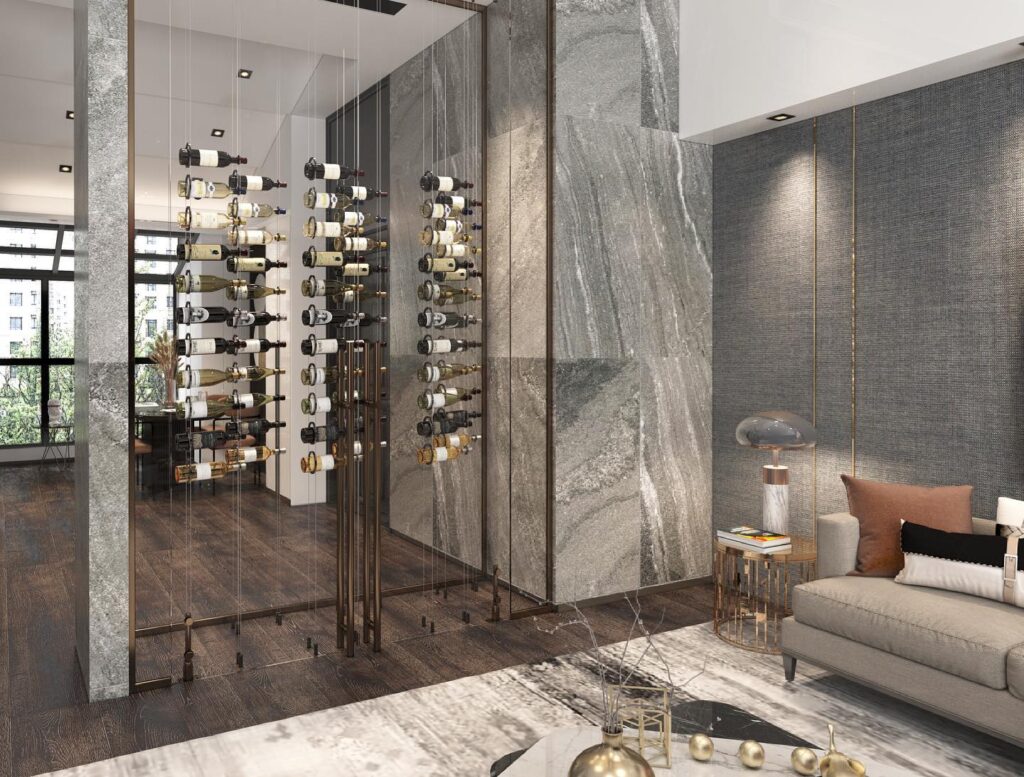
A wine wall can transform an ordinary wall into a dramatic architectural feature. From sleek metal wine racks and floating bottle displays to custom wood wine racks and illuminated wine walls, the right system can turn your wine collection into a visual centerpiece.
However, installing a wine wall on an exterior-facing wall requires more planning than installing racks on an interior partition. Exterior walls can be exposed to temperature fluctuations, humidity, sunlight, moisture, and other environmental conditions that may affect both the wine collection and the rack system.
Before installation begins, it is important to evaluate the wall, the wine cellar environment, the structural requirements, and the cooling and insulation strategy.
Here are the most important considerations.
An exterior-facing wall separates the climate-controlled wine cellar from the outdoor environment.
Depending on the home’s construction and local climate, that wall may experience significant temperature differences between the interior and exterior surfaces.
This can affect:
Wine cellar temperature stability
Humidity and condensation
Insulation performance
Vapor control
Cooling requirements
Rack installation
Wall strength
Long-term durability
A beautiful wine wall should not simply look good. It needs to function properly within the environment of the wine cellar.
The first step is understanding what is behind the finished wall.
An exterior wall may contain:
Wood or metal studs
Insulation
Electrical wiring
Plumbing
HVAC components
Structural framing
Exterior sheathing
Vapor-control layers
Before drilling or attaching a wine rack system, the wall should be evaluated to determine where the structural attachment points are located.
This is particularly important for heavy custom wine racks or large wine wall installations containing dozens or hundreds of bottles.
A professional installer can determine the appropriate mounting method and identify areas that may require additional reinforcement.
Insulation is one of the most important considerations when creating a climate-controlled wine cellar.
A wine cellar generally needs a properly insulated envelope to help maintain stable conditions and prevent excessive heat transfer.
When an exterior wall forms part of the cellar enclosure, the insulation strategy should be evaluated before the wine racks are installed.
Poor insulation can result in:
Greater heat gain
Longer cooling cycles
Higher energy consumption
Temperature fluctuations
Condensation problems
Reduced cooling-system performance
The wine wall itself does not replace proper insulation. The wall assembly must be designed correctly before the rack system is mounted.
Humidity is particularly important when installing a wine cellar against an exterior wall.
Warm, humid outdoor air can create problems if moisture migrates into a colder wall assembly.
Depending on the construction and climate, a properly designed vapor-control strategy may be necessary to reduce the risk of condensation and moisture-related problems.
This is especially relevant in warm, humid regions such as South Florida.
The appropriate vapor-control method depends on the building assembly, climate, insulation system, and applicable construction requirements. A qualified contractor should evaluate these factors before installation.
An exterior-facing wall may be exposed to direct sunlight, particularly if it contains windows or glass doors.
Sunlight can introduce additional heat into the wine cellar and may also create unwanted exposure for wine bottles.
If the exterior wall includes windows, consider:
Low-solar-gain glazing
Proper window treatments
UV protection
Strategic rack placement
Shading
Appropriate insulation
For a dedicated wine cellar, minimizing direct sunlight is generally preferable.
If the goal is to create a visually dramatic wine wall, controlled LED lighting can provide the desired presentation without relying on natural sunlight.
Wine bottles are surprisingly heavy when you have dozens or hundreds stored together.
The rack system may also add considerable weight.
Before installing a wine wall, determine how the system will be supported.
Depending on the design, the installation may require:
Stud-mounted supports
Blocking
Reinforced framing
Structural backing
Specialized mounting hardware
Floor-supported components
The exact attachment method depends on the rack type and wall construction.
A professional installer should never assume that drywall alone can support a substantial wine wall.
The rack itself should match both the design goals and the wall conditions.
Wine wall systems are available in many configurations, including:
Metal wine racks are ideal for contemporary spaces and can create a sleek architectural appearance.
Custom wood wine racks provide warmth and can be designed to blend with traditional, transitional, or contemporary interiors.
Floating systems create a minimalist appearance by reducing the visual presence of the supporting structure.
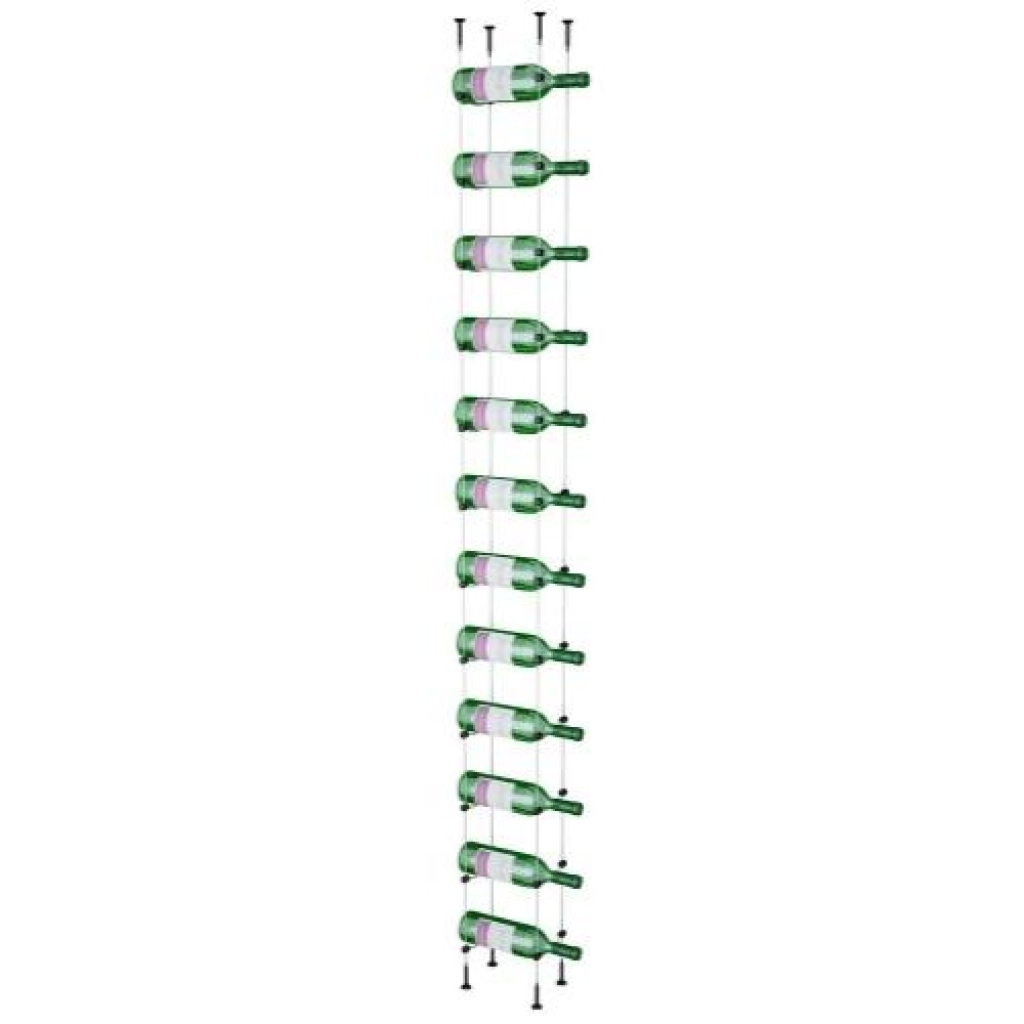
Cable systems can create a light, almost invisible presentation that allows the bottles to become the focal point.
Modern wine wall rails can provide a clean linear appearance and work particularly well for contemporary wine displays.
The best option depends on the desired aesthetic, bottle capacity, wall construction, and installation requirements.
For collectors looking for a distinctive wine wall, CoolWineCellar.com offers an exclusive collection of wine wall racks designed for both contemporary and custom wine cellar applications.
An exterior-facing wall may contain windows, doors, columns, outlets, or architectural features that affect the available space.
Rather than selecting a rack first and trying to make it fit, measure the wall carefully.
Consider:
Wall height
Wall width
Ceiling height
Door locations
Window locations
Electrical outlets
HVAC components
Structural framing
Required walking clearance
Bottle capacity
Custom wine wall systems can often be configured to work around these architectural limitations.
The wine cooling system is another important consideration.
An exterior wall can contribute to the room’s heat load, particularly if it has poor insulation or significant solar exposure.
The wine cellar cooling system should therefore be selected based on the actual conditions of the room rather than simply its cubic footage.
Factors that may influence the cooling requirement include:
Room dimensions
Exterior wall exposure
Insulation
Glass area
Door construction
Lighting
Ambient temperature
Number of people using the room
Cooling equipment location
A properly designed wine cellar should maintain a stable environment while avoiding unnecessary strain on the cooling system.
An exterior wall should be inspected for signs of:
Water intrusion
Condensation
Mold
Efflorescence
Previous leaks
Damaged insulation
Installing an expensive wine rack over an existing moisture problem does not solve the underlying issue.
The wall should be dry, structurally sound, and properly prepared before the rack system is installed.
This is particularly important for wood wine racks, since prolonged exposure to excessive moisture can affect the material over time.
Lighting can dramatically improve a wine wall.
LED lighting is frequently used to illuminate wine bottles and highlight the architectural design of the rack.
Popular approaches include:
Backlighting
Under-shelf lighting
Vertical LED strips
Recessed lighting
Display spotlights
Integrated rack lighting
Lighting should be planned before the rack installation so that wiring can be properly positioned and concealed.
The objective is to illuminate the collection without creating unnecessary heat within the wine cellar.
A wine wall should be beautiful—but it also needs to be functional.
Before finalizing the design, determine how easily bottles can be removed from the rack.
Consider:
Reach height
Bottle spacing
Rack depth
Walking clearance
Label visibility
Large-format bottles
Frequently accessed wines
For tall wine walls, you may also need to consider safe access to upper sections.
The most successful wine wall designs balance presentation with everyday usability.
Wine collections rarely stay the same size.
If your collection is growing, consider building additional capacity into the wine wall.
For example, instead of filling every available space immediately, you could reserve sections for:
Future bottles
Larger-format wines
New vintages
Special collections
Display bottles
Planning for expansion from the beginning is usually easier than trying to modify a completed wine wall later.
An exterior-facing wine wall doesn’t have to be purely decorative.
You can combine different storage formats within the same installation.
For example:
Individual bottle racks can maximize everyday storage.
Diamond bins can provide flexible bulk storage.
Display shelves can highlight special bottles.
Angled presentation racks can make selected labels more visible.
Large-format sections can accommodate magnums and specialty bottles.
This approach allows the wine wall to function as both a storage system and an architectural centerpiece.
If the exterior-facing wall forms part of a visible wine room, a glass enclosure can create an impressive presentation.
Glass can allow the wine wall to be viewed from:
A dining room
Kitchen
Living room
Entertainment area
Hallway
However, glass can significantly affect the cellar’s heat load.
The amount of glass, its orientation, glazing type, and exposure to sunlight should be considered when designing the cellar and selecting its cooling system.
A wine cellar professional can coordinate the glass enclosure, cooling, insulation, lighting, and wine racks as one complete system.
Installing a wine wall isn’t simply a matter of attaching racks to a wall.
The best results come from coordinating:
Wine rack design
Wall construction
Structural support
Insulation
Vapor control
Cooling
Lighting
Electrical requirements
Glass
Doors
Finishes
Working with an experienced wine cellar installation professional can help identify potential problems before they become expensive changes later in the project.
CoolWineCellar specializes in wine cellar solutions and offers an exclusive collection of wine wall racks, along with expertise in wine cellar design and installation. This allows the wine wall to be considered as part of the complete cellar rather than as a standalone decorative feature.
Before installing a wine wall, review the following:
Evaluate the existing wall construction
Locate studs and structural supports
Confirm adequate wall reinforcement
Review insulation
Evaluate vapor-control requirements
Check for moisture or water intrusion
Minimize direct sunlight
Calculate the wine cellar cooling requirements
Select the appropriate rack material
Plan lighting and electrical connections
Confirm bottle accessibility
Allow for future collection growth
Consider large-format bottle storage
Plan the rack around doors and windows
Coordinate installation with the complete cellar design
Installing a wine wall on an exterior-facing wall can create one of the most impressive features in a custom wine cellar, but it requires careful planning.
The wall’s construction, insulation, vapor control, moisture protection, structural support, sunlight exposure, cooling requirements, lighting, and rack design should all be considered before installation begins.
The right wine wall can do more than store bottles. It can become an architectural centerpiece that combines storage, presentation, and craftsmanship.
For homeowners and wine collectors looking for premium wine wall solutions, CoolWineCellar offers an exclusive collection of wine wall racks along with expertise in wine cellar design and installation. From contemporary metal and cable systems to custom wood wine racks, the right solution can be designed around the architecture of your space and the needs of your collection.
A professionally planned wine wall doesn’t just display your wine—it becomes part of the room itself.