Call Us 📞 800-323-3130
Mon–Fri 8am–6pm CST, Sat–Sun 9am–1pm CST
Free design consultations
Showrooms in Miami & Fort Lauderdale
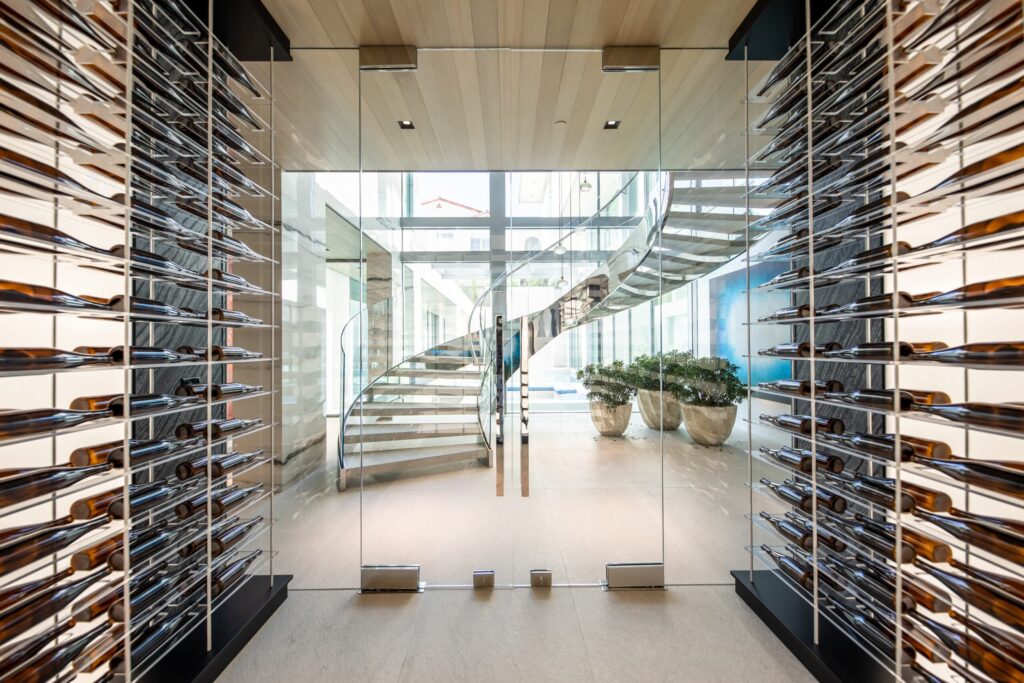
A glass-enclosed wine display can turn a restaurant’s wine collection into a major design feature. Instead of keeping bottles hidden in a back-of-house storage area, restaurants can use glass wine rooms, wine walls, and display cabinets to create visual interest while keeping the collection organized and protected.
For restaurants, however, the design has to accomplish more than simply looking attractive. A successful wine display should balance visibility, temperature control, bottle capacity, accessibility, lighting, durability, and ease of maintenance.
Here are some of the best options to consider.
A floor-to-ceiling glass wine room is one of the most dramatic options for a restaurant.
The enclosure can be positioned between the dining room and bar, near the entrance, or along a prominent interior wall. Customers can see the collection from multiple angles while the glass separates the wine environment from the restaurant’s general atmosphere.
This design works particularly well for restaurants with:
Large wine collections
Dedicated wine programs
Open dining areas
Contemporary interiors
High ceilings
Premium or luxury positioning
Floor-to-ceiling racking can maximize storage while creating an impressive visual backdrop.
When restaurant space is limited, a glass-enclosed wine wall can provide many of the visual benefits of a wine room without requiring a walk-in enclosure.
The display can be installed along a dining room, hallway, bar, or private dining area.
A custom wine wall can incorporate:
Integrated lighting
This is an excellent option when the restaurant wants the wine collection to be visible but does not need customers to enter the storage area.
Lighting can transform a simple bottle display into an architectural centerpiece.
LED lighting can be incorporated behind racks, underneath shelves, along vertical columns, or within display niches.
For restaurants, lighting should be designed carefully so it:
Highlights labels
Creates visual depth
Minimizes glare on the glass
Produces relatively little heat
Complements the restaurant’s lighting scheme
Warm, subtle illumination can create an upscale atmosphere, while cooler or more neutral lighting may suit a modern restaurant.
Traditional bottle storage places bottles horizontally with the neck facing outward. A label-forward system instead presents the bottle’s label toward the customer.
This can be especially effective in a restaurant because customers can visually browse the selection.
Label-forward displays are ideal for:
Featured wines
Reserve selections
Sommelier recommendations
High-value bottles
Wine-of-the-month displays
A combination of conventional storage and label-forward presentation can provide both capacity and visual impact.
Metal wine racks are an excellent choice for restaurants with modern or industrial interiors.
They can create a clean architectural appearance while allowing the glass enclosure to remain visually open.
Contemporary metal systems can be configured as:
Floor-to-ceiling racks
Wall-mounted systems
Vertical bottle columns
Floating displays
Geometric installations
Black, stainless, or custom-finished metal can be selected to coordinate with the restaurant’s interior.
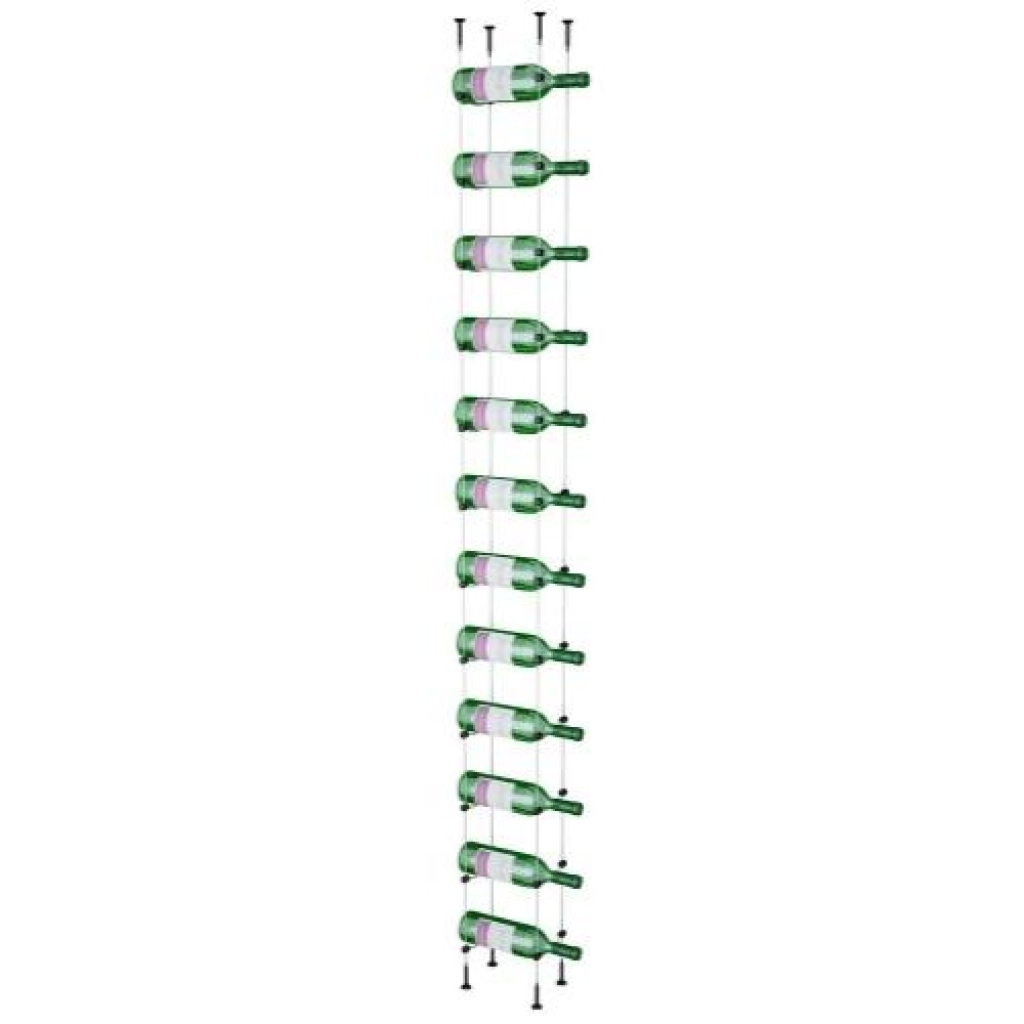
Cable wine racks offer another minimalist option.
Thin cables can support bottles while creating an almost transparent appearance. This can make the wine collection appear to float within the glass enclosure.
Cable systems can work particularly well when the goal is to preserve sightlines through the wine display.
They are especially attractive in high-end restaurants where the wine collection is intended to function as part of the interior architecture.
For restaurants with traditional, Mediterranean, steakhouse, or luxury interiors, custom wood wine racks remain a popular choice.
Wood introduces warmth and can be customized to match:
Restaurant cabinetry
Tables
Bar finishes
Wall paneling
Flooring
Architectural millwork
Common design approaches include individual bottle openings, diamond bins, display rows, arches, columns, and custom tasting displays.
Wood and glass can create an especially elegant combination.
Restaurants do not have to choose between wood and metal.
Combining materials can create a more sophisticated display. For example, wood can provide the primary bottle storage while metal is used for architectural accents, display rows, or framing.
This approach works particularly well in restaurants that combine traditional and contemporary design elements.
For smaller collections, a custom glass wine cabinet may be more appropriate than a full wine room.
A cabinet can be incorporated into:
The bar
Dining room
Private dining area
Host stand
Lounge
Reception area
The cabinet can be designed with climate control, custom shelving, lighting, and security features.
It also allows the restaurant to display a curated collection without dedicating an entire room to wine storage.
One of the most important considerations for a restaurant wine display is environmental stability.
Restaurant interiors can experience significant temperature changes because of:
Kitchen heat
Frequent door openings
Large groups of customers
Lighting
Exterior windows
HVAC cycling
High occupancy
A glass-enclosed wine room should therefore be designed as a controlled environment when the collection requires long-term storage.
The cooling system should be selected according to the actual heat load rather than simply the room’s cubic footage.
If the wine display is near windows or exterior glass walls, solar exposure should be considered carefully.
Direct sunlight can increase heat gain and expose wine to unwanted light.
Depending on the architectural design, consider appropriate insulated or high-performance glass and solar-control strategies.
The glass specification should be coordinated with the wine cooling system so the enclosure can maintain the desired environment.
Restaurants storing rare or expensive bottles may want additional security.
Depending on the location and collection, options can include:
Lockable glass doors
Controlled access
Security cameras
Alarm integration
Inventory monitoring
Restricted staff access
Security features can be incorporated without compromising the appearance of the display.
A beautiful wine display should also be practical for restaurant staff.
The location should provide convenient access for:
Sommeliers
Servers
Bartenders
Wine managers
Inventory personnel
Frequently ordered wines should be easy to reach, while long-term or reserve bottles can be stored in less accessible areas.
Think about how bottles move from storage to service before finalizing the racking layout.
A restaurant with a strong wine program may benefit from a dedicated sommelier area.
This could combine wine storage with:
Bottle preparation space
Glassware storage
Decanting area
Countertop
Display shelves
Wine books or accessories
A glass enclosure can keep the area visually connected to the dining room while providing a dedicated workspace for wine service.
A restaurant’s wine collection can communicate quality and personality.
Consider incorporating the restaurant’s branding into the wine display through:
Custom signage
Metal logos
Engraved wood
Decorative panels
Backlit lettering
Custom wine lockers
The display can become part of the restaurant’s overall identity rather than simply another storage area.
Restaurant wine displays need to withstand frequent use and cleaning.
Glass should be easy to access for cleaning, while racking should be durable enough for repeated bottle handling.
Cooling equipment should also remain accessible for service.
Avoid designs where mechanical components are permanently buried behind custom millwork or glass panels.
A cooling system generates or moves heat, so its location matters.
Depending on the system, the condenser may need access to an appropriate space for heat rejection.
Possible solutions include locating equipment in:
A mechanical room
Service area
Ceiling space
Adjacent utility area
Other properly ventilated location
For a restaurant, keeping mechanical equipment away from the dining room can also help minimize noise.
A restaurant wine collection should be visually appealing but also easy to navigate.
Organize bottles by a system that works for your operation, such as:
Region
Varietal
Price
Vintage
Producer
Wine style
Reserve status
Clear organization helps staff locate bottles quickly and can make the collection more engaging for customers.
The best glass-enclosed wine display for a restaurant depends on the size of the collection, available space, restaurant aesthetic, environmental conditions, and operational requirements.
For a dramatic architectural statement, a floor-to-ceiling glass wine room can create an impressive centerpiece. For smaller spaces, a glass-enclosed wine wall or climate-controlled wine cabinet may provide the ideal balance between capacity and visibility. Contemporary restaurants can explore metal or cable wine racks, while traditional establishments may prefer custom wood racking.
Whatever design you choose, the most successful restaurant wine displays combine beautiful presentation with reliable climate control, practical access, durable materials, thoughtful lighting, and easy maintenance.
When these elements are planned together, the wine collection becomes more than inventory—it becomes an integral part of the restaurant experience.