
Call Us 📞 800-323-3130
Mon–Fri 8am–6pm CST, Sat–Sun 9am–1pm CST
Free design consultations
Showrooms in Miami & Fort Lauderdale
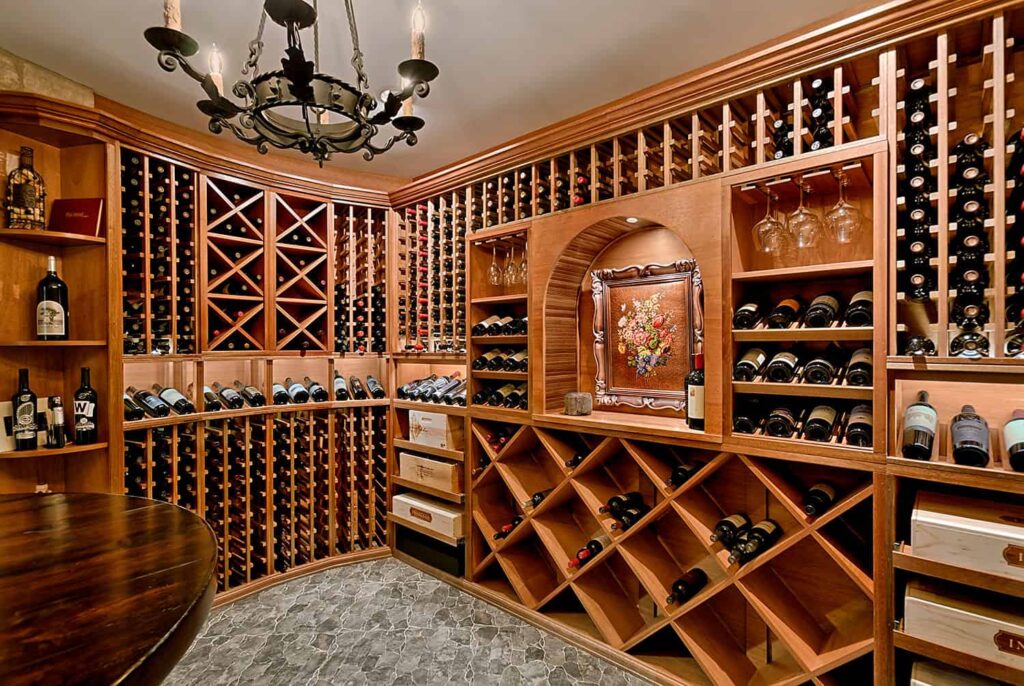
Corners are often the most underused areas in a home, but they can become some of the most attractive parts of a wine cellar or wine display. With the right design, an awkward 90-degree corner can be transformed into a high-capacity storage area, an elegant bottle showcase, or a dramatic architectural feature.
The best corner wine displays combine efficient use of space, easy bottle access, structural stability, and visual appeal. From curved wood racking to contemporary metal systems and custom glass displays, there are solutions for virtually every collection and interior style.
A poorly planned corner can create dead space where two rack runs meet. In contrast, purpose-designed corner racking can connect adjacent walls and turn that unused area into functional storage. Curved corner systems are specifically designed to create a smoother transition between walls while maximizing usable space.
Corners are particularly valuable in:
Small wine cellars
Under-stair wine rooms
Dining-room wine displays
Kitchen wine walls
Condo wine features
Walk-in wine closets
Glass-enclosed wine rooms
For compact spaces, a vertical corner design can also take advantage of ceiling height without consuming much additional floor space.
A curved corner wine rack is one of the most sophisticated solutions for a traditional wine cellar.
Instead of allowing two straight rack sections to meet at a sharp 90-degree angle, a curved rack creates a continuous transition from one wall to the other. True-radius designs can provide a seamless appearance, while segmented systems can offer a more modular alternative.
Curved corners work particularly well with custom wood wine racking and can be finished to coordinate with the rest of the cellar.
Best for: Traditional, transitional, and luxury wine cellars.
A diagonal corner rack can be an excellent solution when you want to make the corner visually prominent.
Instead of placing the bottles directly into the 90-degree junction, the rack occupies the corner at an angle. This can improve accessibility and create a natural focal point.
A diagonal return can also help avoid the inaccessible space that may occur when two standard rack runs simply meet in a square corner.
Best for: Contemporary cellars and spaces where the corner should become a design feature.
If your goal is maximum storage capacity, consider a tall wine tower.
A floor-to-ceiling corner rack uses vertical space to store bottles in multiple rows. This approach can be especially effective in compact rooms where expanding horizontally isn’t possible.
A tall corner tower can also create a dramatic architectural element, particularly when combined with accent lighting.
Best for: Small wine rooms, closets, apartments, and high-capacity collections.
Metal wine racks provide a clean alternative to traditional wood.
Slim metal profiles can fit tightly into corners while maintaining a visually open appearance. This makes them particularly attractive in modern interiors where you don’t want the wine display to make the room feel crowded.
Metal systems can also be combined with glass, stone, wood, or contemporary cabinetry for a more customized look.
Best for: Modern homes, condos, restaurants, and minimalist wine displays.
Cable wine racks can create an almost floating appearance.
Instead of surrounding bottles with large wood frames or bulky cabinetry, tensioned cable systems use slim structural elements to hold the bottles in place. The result is a lightweight visual effect that works especially well in contemporary wine rooms.
Cable systems can also be incorporated into larger architectural wine walls, allowing the corner to become part of a continuous display.
Best for: Contemporary interiors, glass wine rooms, and minimalist designs.
If you don’t need every bottle to be individually displayed, consider combining standard storage with a dedicated display row.
A display row can be positioned near the corner at an angle, allowing selected bottles to face outward. This creates a focal point while keeping the majority of the collection stored efficiently.
Display rows can also be enhanced with LED lighting to emphasize premium bottles or collectible vintages.
Contemporary wine-racking systems commonly combine horizontal displays, label-forward storage, and accent lighting for this purpose.
Best for: Collectors who want a balance between storage capacity and presentation.
A corner cabinet can be a practical solution when you want the collection partially concealed.
Custom corner cabinets can incorporate doors, drawers, adjustable shelving, stemware storage, and bottle compartments. They can also be designed to match surrounding cabinetry so the wine storage appears integrated into the room.
This approach is particularly useful when the wine collection is located in a kitchen, dining room, or living area rather than a dedicated cellar.
Best for: Kitchens, dining rooms, entertaining spaces, and collections that don’t require full visual exposure.
For a truly high-end presentation, consider enclosing the corner with glass.
A glass enclosure allows the wine collection to become a visible architectural feature while keeping it separated from the surrounding room.
This approach works particularly well with minimalist metal, cable, or contemporary racking. However, if the enclosure is climate-controlled, the glass area should be considered when calculating the cooling requirement.
Best for: Luxury homes, modern condos, restaurants, and statement wine displays.
When standard corner racks don’t fit the dimensions or design of your space, custom radius components can provide a more integrated solution.
Quarter-round cabinets, curved corner racks, and other custom components can be designed around unusual room dimensions, columns, architectural features, or existing cabinetry. Custom racking manufacturers offer options such as quarter-round displays, curved corners, corner cabinets, and large-format bottle storage.
This approach is particularly valuable when every inch of a small wine room matters.
Lighting can dramatically change the appearance of a corner wine display.
Instead of brightly illuminating the entire cellar, consider using subtle accent lighting to highlight selected bottles, curved rack details, or architectural features.
LED lighting can be incorporated into:
Display rows
Behind bottle shelves
Under shelves
Along vertical rack components
Inside cabinets
Around glass enclosures
The goal is to illuminate the collection without creating excessive heat or harsh glare.
If your collection includes Champagne magnums, large-format Bordeaux bottles, or other unusually shaped bottles, plan for them before finalizing the corner design.
Standard individual bottle openings may not accommodate every bottle shape. Specialized large-format storage can be incorporated into custom racking, allowing oversized bottles to remain secure while keeping them accessible.
A few larger openings can also be incorporated into a corner display as a visual feature.
The best corner display isn’t necessarily the one with the most bottle capacity.
Consider how you use your collection.
If you’re storing hundreds of bottles for long-term aging, prioritize efficient individual bottle storage and accessibility.
If you’re showcasing a smaller collection, a dramatic corner display with label-forward bottles, lighting, and glass may be more appropriate.
For collectors who want both, a combination of standard racking and display features can provide the best balance.
Before selecting a system, consider these five questions:
How much storage do I need?
Determine your current collection size and expected future growth.
What types of bottles do I own?
Make sure the rack accommodates standard bottles as well as magnums and other large formats.
How much space is available?
Measure both walls forming the corner, ceiling height, depth, and available circulation space.
What style fits the room?
Wood works beautifully for traditional cellars, while metal, cable, and glass systems can complement contemporary interiors.
Is the wine feature climate-controlled?
If the corner is part of a temperature-controlled wine room, the enclosure, glass, insulation, and cooling requirements should be considered together.
A corner doesn’t have to be wasted space. With the right design, it can become one of the most visually impressive and functional elements of your wine cellar.
Curved wood racking offers timeless elegance, 45-degree and diagonal designs improve corner usability, floor-to-ceiling towers maximize capacity, while metal, cable, and glass systems create a contemporary architectural look.
For the best results, design the corner as part of the entire wine storage system rather than treating it as an afterthought. The right combination of racking, bottle capacity, accessibility, lighting, and climate control can turn an ordinary corner into a sophisticated wine display.
At Cool Wine Cellar, we can help design corner wine storage around your collection, available space, and preferred aesthetic—from traditional custom wood racking to modern metal, cable, and glass-enclosed wine displays.