
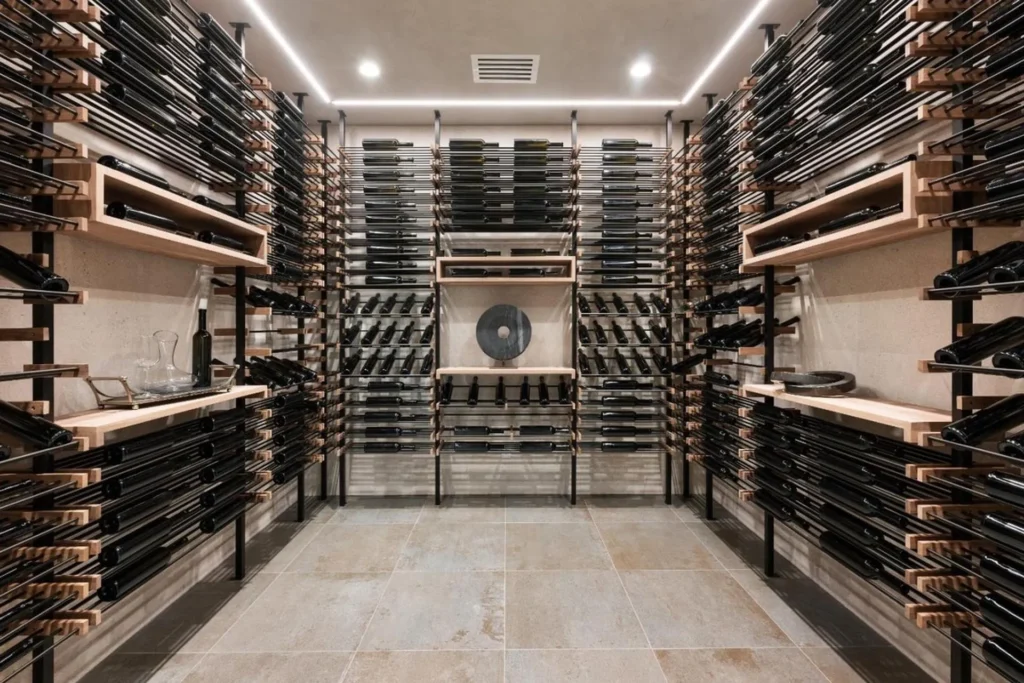
Whether you own a collection of a few dozen bottles or several thousand, proper storage is the single most important factor in preserving the quality of your wine. Even the world’s finest vintages can lose their aroma, flavor, and value if they’re exposed to excessive heat, dry air, or constant temperature fluctuations.
The good news? Creating the perfect wine storage environment isn’t complicated—once you understand the ideal temperature and humidity levels. In this guide, we’ll explain exactly what your wine cellar conditions should be, why they matter, and how to maintain them year-round.
Why Temperature Matters More Than You Think
Wine is a living product. Even after it’s bottled, chemical reactions continue inside the bottle, allowing the wine to mature and develop complexity over time.
These reactions are highly sensitive to temperature.
When wine is stored too warm, it ages much faster than intended. While that might sound beneficial, accelerated aging often causes the wine to lose its delicate aromas and balanced flavors before reaching its peak.
If stored too cold, aging slows dramatically. Although this usually won’t ruin the wine, it can delay proper maturation for years.
The greatest threat, however, is frequent temperature fluctuation. Repeated expansion and contraction of the liquid inside the bottle can stress the cork, allowing oxygen to seep inside and prematurely oxidize the wine.
The Ideal Wine Cellar Temperature
The industry standard for long-term wine storage is:
55°F (13°C)
This temperature has been used for centuries because it provides the ideal balance between preserving wine and allowing it to age naturally.
Recommended Temperature Range
| Wine Type | Ideal Storage Temperature |
|---|---|
| Red Wines | 55°F (13°C) |
| White Wines | 55°F (13°C) |
| Sparkling Wines | 55°F (13°C) |
| Champagne | 55°F (13°C) |
| Long-Term Aging | 55°F (13°C) |
Although serving temperatures vary, storage temperature should remain consistent for nearly every type of wine.
A properly designed wine cellar is meant for preservation—not serving.
Is 55°F Really Necessary?
One of the biggest misconceptions is that wine must always be stored exactly at 55°F.
In reality, most wines store safely between:
50°F–59°F (10°C–15°C)
What’s most important isn’t hitting the exact number.
It’s maintaining a stable temperature.
A cellar that stays at 57°F year-round is far better than one that constantly swings between 48°F and 68°F.
What Happens If Wine Gets Too Warm?
When storage temperatures climb above 70°F, several problems begin developing:
- Wine ages too quickly.
- Fruit flavors fade.
- Aromas become muted.
- Tannins lose balance.
- Corks begin drying out.
- Oxidation accelerates.
- The wine’s lifespan shortens dramatically.
Prolonged exposure to temperatures above 80°F can permanently damage many wines.
Even a few weeks in a hot garage or attic during summer can negatively affect a valuable collection.
What Happens If Wine Gets Too Cold?
Cold temperatures are generally less harmful than heat, but they still present risks.
Storage below 45°F may:
- Slow aging significantly.
- Cause tartrate crystals to form.
- Dry corks if humidity is also low.
- Freeze wine if temperatures fall below approximately 20°F (-6°C).
Frozen wine expands and may push the cork out of the bottle, ruining the seal.
Why Humidity Is Just as Important
Many wine collectors focus only on temperature and forget about humidity.
Humidity primarily protects the cork.
Natural corks remain slightly moist when stored in an environment with sufficient humidity.
If the air becomes too dry, corks shrink over time, allowing oxygen into the bottle.
Too much humidity creates different problems, including mold growth and damaged wine labels.
The Ideal Wine Cellar Humidity
The recommended humidity range is:
60%–70% Relative Humidity
This range provides enough moisture to keep corks healthy without encouraging excessive mold growth.
Ideal Humidity Levels
| Relative Humidity | Result |
|---|---|
| Below 50% | Corks dry out |
| 60–70% | Ideal storage conditions |
| Above 75% | Increased risk of mold and label damage |
| Above 80% | Excess moisture and condensation issues |
For most residential wine cellars, aiming for approximately 65% humidity provides excellent protection.
Why Stable Conditions Matter
Imagine placing your wine outside every day and bringing it back inside every night.
The repeated expansion and contraction would gradually damage the wine.
The same principle applies inside a poorly designed wine cellar.
Stable conditions protect:
- Cork integrity
- Wine chemistry
- Flavor development
- Aroma preservation
- Bottle longevity
Consistency is far more important than chasing the “perfect” number every day.
How Wine Cooling Systems Maintain Ideal Conditions
A dedicated wine cellar cooling system is specifically engineered to maintain the precise environment wine requires.
Unlike residential air conditioners, wine cellar cooling units are designed to:
- Maintain temperatures around 55°F.
- Control humidity levels.
- Minimize temperature fluctuations.
- Operate continuously and quietly.
- Prevent excessive drying of the air.
Proper system sizing is equally important. An oversized or undersized unit can struggle to maintain consistent conditions, especially in rooms with glass walls, high ceilings, or poor insulation.
The Role of Insulation and Vapor Barriers
Even the best cooling system can’t perform properly if the cellar isn’t constructed correctly.
Professional wine cellars typically include:
- Closed-cell spray foam or rigid foam insulation
- Proper vapor barriers
- Sealed doors
- Insulated ceilings and walls
- Minimal air leakage
Without these features, outside heat and moisture constantly enter the cellar, forcing the cooling system to work harder and creating unstable storage conditions.
Monitoring Your Wine Cellar
Every wine cellar should include a reliable digital thermometer and hygrometer.
Regular monitoring helps you detect changes before they affect your collection.
Many modern cooling systems also offer:
- Wi-Fi monitoring
- Remote alerts
- Smartphone apps
- Automatic humidity management
- Temperature history tracking
These features provide added peace of mind, especially for valuable collections.
Common Wine Storage Mistakes
Avoid these common mistakes that can shorten the life of your collection:
- Storing wine in a regular household refrigerator for long periods.
- Installing an oversized HVAC system instead of a dedicated wine cooling unit.
- Ignoring humidity levels.
- Allowing frequent temperature swings.
- Using poorly insulated glass enclosures.
- Storing bottles upright for extended periods if they use natural corks.
- Placing wine near windows or direct sunlight.
Small improvements in storage conditions can make a significant difference over the years.
Frequently Asked Questions
What is the best temperature for a wine cellar?
The ideal long-term storage temperature is 55°F (13°C). Most wines store safely between 50°F and 59°F, provided the temperature remains stable.
What humidity should a wine cellar have?
Maintain 60–70% relative humidity, with 65% being an excellent target for most wine cellars.
Can wine be stored at room temperature?
For short periods, yes. However, long-term storage at typical room temperatures (68–75°F) accelerates aging and may reduce wine quality.
Is humidity more important than temperature?
Both are essential. Temperature preserves the wine itself, while humidity protects the cork from drying out and allowing oxygen into the bottle.
Can a regular air conditioner cool a wine cellar?
No. Standard air conditioners remove too much moisture and are not designed to maintain the consistent low temperatures and humidity levels required for wine storage.
How do I know if my wine cellar conditions are correct?
Use a digital thermometer and hygrometer or install a wine cooling system with built-in monitoring features to track temperature and humidity continuously.
Final Thoughts
The ideal wine cellar environment is remarkably simple: a consistent temperature of around 55°F (13°C) and a relative humidity between 60% and 70%. While these numbers are important, stability is what truly protects your collection. Avoiding rapid temperature changes, maintaining proper humidity, and using a dedicated wine cellar cooling system can significantly extend the life and quality of your wines.
Whether you’re aging a few prized bottles or building a custom cellar for hundreds of vintages, creating the right storage environment ensures every bottle is ready to be enjoyed exactly as the winemaker intended.