
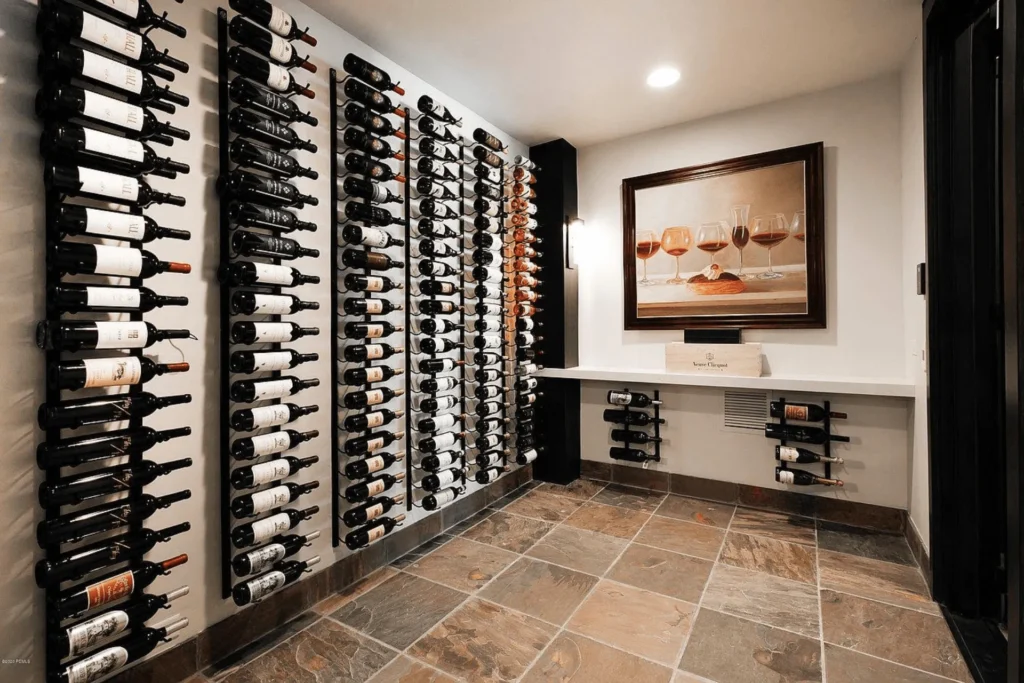
Many people assume you need hundreds of bottles and a luxurious wine cellar before you can call yourself a wine collector. The truth is, a wine collection isn’t defined by its size—it’s defined by intention.
Whether you have 12 carefully selected bottles or 1,200 rare vintages, a collection is about choosing wines you’ll enjoy, preserving them properly, and building something that reflects your taste. If you’re wondering when a few bottles become a real collection, this guide will help you understand what matters most and how to plan for future growth.
A Wine Collection Isn’t About Numbers
Owning a few bottles from a recent vacation isn’t necessarily a collection. Likewise, someone with only 24 thoughtfully chosen wines aging for future enjoyment may already have one.
A wine collection usually has three characteristics:
- Wines are purchased with a purpose rather than consumed immediately.
- Bottles are stored under proper conditions for aging or special occasions.
- The collection grows over time based on personal preferences.
The number of bottles is far less important than how they’re selected and cared for.
Different Stages of Wine Collecting
Most wine enthusiasts progress through several stages as their interest grows.
The Starter Collection (12–24 Bottles)
This is where many collectors begin.
A starter collection gives you enough variety to pair wines with different meals, celebrate special occasions, and begin exploring different regions and grape varieties.
Typical bottles might include:
- Cabernet Sauvignon
- Pinot Noir
- Chardonnay
- Sauvignon Blanc
- Champagne or sparkling wine
- Dessert wine
A small wine refrigerator or compact wine cabinet is usually sufficient at this stage.
The Growing Collection (25–75 Bottles)
Once you begin purchasing wines specifically for aging or future enjoyment, your storage needs become more important.
Collectors in this range often buy:
- Multiple vintages of favorite wines
- Several bottles of wines they enjoy
- Limited releases
- Seasonal purchases
Organization becomes increasingly valuable, making dedicated wine racks or larger wine refrigerators worthwhile investments.
The Serious Collection (75–250 Bottles)
At this point, wine storage becomes more than simple convenience.
Many collectors begin investing in:
- Custom wine racks
- Temperature-controlled wine rooms
- Wine cellar cooling systems
- Inventory tracking
With dozens or even hundreds of bottles, proper organization makes it easier to locate wines and monitor their aging.
The Enthusiast Collection (250–500 Bottles)
Collectors in this range often purchase wines specifically for long-term aging.
They may focus on:
- Bordeaux
- Burgundy
- Napa Valley Cabernet
- Barolo
- Rioja
- Champagne
Many also begin collecting verticals (multiple vintages of the same wine) or wines from favorite producers.
At this stage, a professionally designed wine cellar offers the best protection and organization.
The Extensive Collection (500+ Bottles)
Large collections typically require purpose-built wine cellars.
These often include:
- Custom wood or metal wine racks
- Display rows for showcase bottles
- Bulk storage bins
- Humidity-controlled environments
- Dedicated wine cellar cooling systems
- Inventory management software
Collectors may continue expanding for decades.
Why Storage Matters More Than Collection Size
A perfectly stored 24-bottle collection is often worth more—both financially and emotionally—than 300 bottles kept in poor conditions.
Wine storage directly affects:
- Aging potential
- Flavor development
- Cork integrity
- Label preservation
- Long-term value
Even relatively affordable wines deserve proper storage if you intend to keep them for several years.
How Fast Does a Wine Collection Grow?
Most collectors underestimate how quickly bottles accumulate.
Consider this example:
- Purchase two bottles each week.
- Receive several bottles as gifts each year.
- Bring home wines from vacations.
- Buy cases during seasonal sales.
Within two years, you could easily own over 150 bottles without intentionally building a large cellar.
That’s why many wine professionals recommend planning storage with future growth in mind rather than current bottle count.
Should You Build a Wine Cellar Before You Need One?
Many homeowners wait until they’ve completely outgrown their storage before considering a wine cellar.
In reality, designing for future expansion often saves money and avoids costly renovations later.
Benefits include:
- Better organization
- Consistent temperature and humidity
- Easier inventory management
- Protection for future purchases
- Increased home value
- A more attractive display for entertaining
Even a compact custom wine cellar can often accommodate far more bottles than expected through efficient racking designs. Get a Free Wine Cellar Design from our experts today.
Quality Beats Quantity
One of the biggest misconceptions about collecting wine is that more bottles automatically create a better collection.
Experienced collectors often focus on:
- Wines they genuinely enjoy
- Trusted producers
- Aging potential
- Food pairings
- Special memories
- Regional diversity
A carefully curated 100-bottle collection can provide more enjoyment than a random assortment of 500 bottles.
How Much Storage Should You Plan For?
A helpful guideline is to build storage for at least twice the number of bottles you currently own.
For example:
| Current Collection | Recommended Storage Capacity |
|---|---|
| 24 bottles | 50–75 bottles |
| 50 bottles | 100–150 bottles |
| 100 bottles | 200–300 bottles |
| 250 bottles | 500 bottles |
| 500 bottles | 750–1,000 bottles |
Most collectors eventually fill every available rack.
Signs You’re Becoming a Wine Collector
You may already have a collection if you:
- Buy wine to drink years from now.
- Purchase multiple bottles of the same wine.
- Keep an inventory of your bottles.
- Research vintages before buying.
- Visit wineries regularly.
- Think about storage conditions before purchasing.
- Plan meals around specific wines.
If several of these describe you, you’re likely already building a collection.
Frequently Asked Questions
How many bottles make a wine collection?
There is no official minimum. Many wine professionals consider 12–24 carefully selected bottles stored for future enjoyment to be the beginning of a wine collection.
Is 50 bottles considered a wine collection?
Yes. Fifty bottles provide enough variety for aging, entertaining, and exploring different wine styles, making it a solid collection for most enthusiasts.
When do I need a wine cellar?
If your collection grows beyond 75–100 bottles or you plan to age wines for several years, a dedicated wine cellar or professionally designed wine storage solution becomes a worthwhile investment.
Should I buy wine in cases?
Buying by the case often provides better value and allows you to enjoy bottles over time while observing how the wine evolves with age.
Can I start collecting wine on a budget?
Absolutely. Many excellent collectible wines are available at reasonable prices. Focus on buying wines you enjoy and storing them properly rather than chasing expensive labels.
How much room should I leave for future growth?
Most experts recommend planning storage for at least twice your current collection size, as collections often expand faster than expected.
Final Thoughts
A wine collection isn’t measured by an exact bottle count—it’s measured by care, curiosity, and intention. Whether you’re just beginning with a dozen bottles or managing hundreds of prized vintages, proper storage and thoughtful selection are what define a true collection.
As your interest grows, so will your storage needs. Planning ahead with the right wine racks, climate control, and cellar design ensures your collection can expand while keeping every bottle in optimal condition. After all, the best wine collection isn’t necessarily the biggest—it’s the one that’s built to be enjoyed for years to come.