
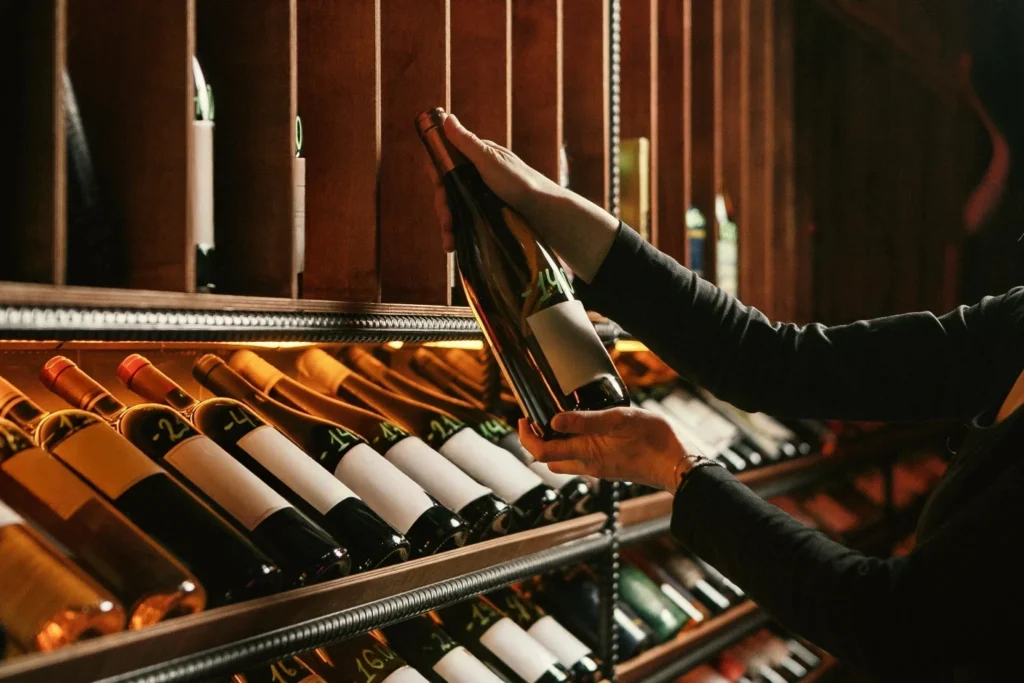
For many wine lovers, the idea of building a personal wine collection is exciting. There’s something special about opening a bottle you’ve carefully stored for five, ten, or even twenty years and experiencing how it has evolved. But one of the biggest misconceptions about wine is that every bottle improves with age.
The truth is, most wines sold today are made to be enjoyed within a few years of purchase. In fact, only a small percentage have the structure and balance needed to benefit from long-term aging.
If you’re investing in a home wine cellar or wine storage cabinet, knowing which wines are actually worth cellaring can help you build a collection you’ll enjoy for years to come.
Does Every Wine Improve with Age?
No.
Contrary to popular belief, aging doesn’t automatically make wine better—it simply changes it.
As wine ages:
- Fruit flavors become softer.
- Tannins mellow.
- Acidity integrates.
- Aromas become more complex.
- Secondary and tertiary flavors develop.
When a wine has the right balance of acidity, tannins, alcohol, and fruit concentration, these changes can create remarkable depth. Without that balance, however, aging often leads to faded fruit, dull flavors, and a wine that’s well past its peak.
Why Do Some Wines Age Better Than Others?
A wine’s aging potential depends on its natural structure.
The four key factors are:
High Acidity
Acidity acts as a natural preservative.
Wines with vibrant acidity tend to remain fresh for many years while gradually developing more complex aromas.
Examples include:
- Riesling
- Chenin Blanc
- Champagne
- High-quality Chardonnay
Firm Tannins
Tannins protect red wines during aging.
Young tannic wines may seem bold or even harsh, but over time those tannins soften, creating a smoother, more elegant texture.
Excellent aging varieties include:
- Cabernet Sauvignon
- Nebbiolo
- Syrah
- Sangiovese
- Bordeaux blends
Concentrated Fruit
Rich fruit gives a wine enough character to evolve without becoming flat.
Premium wines with concentrated fruit often develop notes of:
- Leather
- Tobacco
- Forest floor
- Cedar
- Truffle
- Dried fruit
These complex flavors are often impossible to find in young wines.
Balance
Perhaps the most important characteristic is balance.
A wine doesn’t need extreme acidity or heavy tannins—it needs all of its components to work together.
Balanced wines mature gracefully rather than simply growing older.
Red Wines Worth Cellaring
Many of the world’s finest red wines reward patience.
Some excellent choices include:
Cabernet Sauvignon
Cabernet is one of the most collectible wines because its tannins and acidity allow it to improve for decades.
Typical aging potential:
- 8–30+ years
Bordeaux
Top Bordeaux blends evolve beautifully with time.
Expect flavors to shift from black fruit toward cedar, cigar box, graphite, and earth.
Typical aging potential:
- 10–40 years
Barolo (Nebbiolo)
Often called “the king of Italian wines,” Barolo is famously tannic when young.
After years in the cellar, it develops extraordinary elegance.
Typical aging potential:
- 15–40 years
Brunello di Montalcino
Made from Sangiovese, Brunello combines bright acidity with firm tannins.
Typical aging potential:
- 10–25 years
Syrah
Premium Syrah develops savory aromas of smoked meat, pepper, olive, and spice over time.
Typical aging potential:
- 10–25 years
Pinot Noir
Not every Pinot ages well, but high-quality examples from regions like Burgundy and Oregon can become incredibly complex.
Typical aging potential:
- 8–20 years
White Wines That Benefit from Aging
Many people assume white wines should always be consumed young.
While that’s true for many everyday whites, several varieties improve dramatically with age.
Riesling
High acidity allows Riesling to develop remarkable aromas of honey, petrol, dried apricot, and citrus.
Typical aging potential:
- 10–40 years
Chardonnay
Premium oak-aged Chardonnay develops flavors of toasted nuts, butter, brioche, and caramel.
Typical aging potential:
- 8–20 years
White Burgundy
Some of the world’s greatest white wines continue improving for decades.
Typical aging potential:
- 10–30 years
Vintage Champagne
Quality sparkling wines gain complexity through extended bottle aging.
Typical aging potential:
- 10–25 years
Dessert Wines Are Exceptional Cellaring Wines
High sugar levels naturally preserve wine.
Excellent options include:
- Sauternes
- Tokaji
- Ice Wine
- Vintage Port
- Madeira
Some can age for over 50 years while maintaining exceptional freshness.
Wines That Are Usually Better Young
Many everyday wines are crafted for immediate enjoyment rather than long-term storage.
These typically include:
- Pinot Grigio
- Sauvignon Blanc
- Rosé
- Moscato
- Beaujolais Nouveau
- Inexpensive Merlot
- Most value-priced red blends
These wines emphasize fresh fruit, floral aromas, and crisp acidity that gradually fade with extended aging.
Price Isn’t Always the Best Indicator
A common myth is that expensive wine automatically deserves a place in the cellar.
In reality:
- Some $25 wines age beautifully.
- Some $150 wines are intended for early drinking.
The producer’s winemaking style, grape variety, vineyard quality, and vintage all influence aging potential far more than price alone.
Researching the specific wine is always worthwhile before committing valuable cellar space.
Store Wine Correctly or Aging Won’t Matter
Even the finest collectible wine can deteriorate if stored improperly.
Ideal storage conditions include:
- Temperature: 55°F (13°C)
- Humidity: 60–70%
- Dark environment
- Minimal vibration
- Consistent temperature year-round
Repeated exposure to heat, sunlight, or temperature swings can accelerate aging in undesirable ways, resulting in cooked flavors, dried corks, or premature oxidation.
A dedicated wine cellar, climate-controlled wine room, or high-quality wine storage cabinet provides the stable environment needed for wines to mature gracefully.
Should You Age Every Bottle?
Not at all.
A well-rounded collection includes wines for different occasions and timelines.
Consider organizing your collection into three categories:
Drink Now
Fresh, fruit-forward wines meant to be enjoyed within one to three years.
Mid-Term Aging
Wines expected to improve over the next five to ten years.
Long-Term Cellaring
Special bottles with the structure and pedigree to evolve over decades.
This approach ensures you always have something ready to enjoy while allowing select bottles to reach their full potential.
Tips for Building Your Home Wine Cellar
If you’re just starting a collection, keep these best practices in mind:
- Buy wines from reputable producers with a proven track record for aging.
- Purchase multiple bottles so you can taste one every few years and follow its evolution.
- Keep a digital or written inventory with purchase dates and recommended drinking windows.
- Avoid overcrowding your storage space to maintain airflow and easy access.
- Store bottles on their side if they use natural corks to help keep the cork moist.
- Resist opening collectible bottles too early—patience is often rewarded.
Final Thoughts
Aging wine at home is one of the most rewarding aspects of collecting, but success begins with choosing the right bottles. While most wines are best enjoyed within a few years of release, carefully selected reds, whites, sparkling wines, and dessert wines can transform beautifully over time when stored under ideal conditions.
By understanding which wines are worth cellaring and investing in proper temperature- and humidity-controlled storage, you’ll not only protect your collection—you’ll give each bottle the opportunity to reach its full potential. Whether you’re aging wine for future celebrations, investment, or the simple pleasure of discovering how flavors evolve, a thoughtfully curated cellar turns patience into one of the most satisfying ingredients in every glass.