
Call Us 📞 800-323-3130
Mon–Fri 8am–6pm CST, Sat–Sun 9am–1pm CST
Free design consultations
Showrooms in Miami & Fort Lauderdale
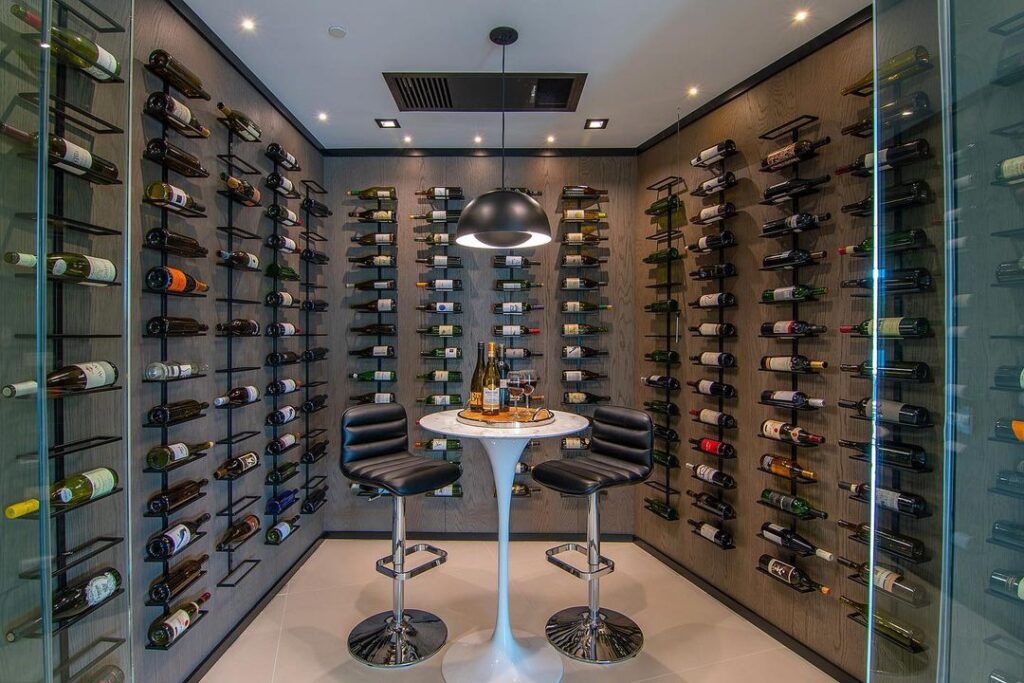
A properly designed wine cellar needs more than attractive wine racks and beautiful lighting. The most important part of protecting your wine collection is maintaining a stable environment with the right temperature and humidity. This is where a dedicated wine cellar cooling system becomes essential.
WhisperKOOL wine cooling units are specifically designed to help maintain the temperature inside climate-controlled wine cellars. Unlike a standard residential air conditioner, a wine cellar cooling system is designed around the unique requirements of wine storage, including maintaining a consistent temperature over long periods.
In this guide, we’ll explain what a WhisperKOOL wine cooling unit is, how it works, the different types available, how to choose the right system, and what you should consider before purchasing one.
A WhisperKOOL wine cooling unit is a dedicated climate-control system designed specifically for wine cellars and wine storage rooms.
Its primary purpose is to maintain the cellar at a consistent wine-storage temperature rather than rapidly cooling a room like a conventional air-conditioning system.
A properly sized wine cellar cooling system can help maintain a stable environment for your wine collection by controlling temperature and, depending on the cellar design and ambient conditions, supporting appropriate humidity levels.
WhisperKOOL offers several types of wine cellar cooling systems, including:
The best configuration depends on the size and construction of the cellar, available installation space, ambient conditions, heat load, and where you want the system’s heat and noise to be discharged.
Wine is sensitive to temperature fluctuations. A wine cellar that becomes too warm or experiences significant temperature swings can create an environment that is less suitable for long-term wine storage.
A dedicated wine cellar cooling system is designed to operate differently from a standard air conditioner.
The goal isn’t simply to make the room cold. The goal is to maintain a stable and controlled environment appropriate for wine storage.
A properly designed cellar typically considers:
Temperature stability
Room insulation
Vapor barrier
Ambient temperature outside the cellar
Glass doors and glass walls
Lighting and other heat-producing equipment
Number of exterior walls
Ceiling and floor construction
Desired wine-storage temperature
Cooling-unit heat load
Condenser location and ventilation
This is particularly important in warm and humid climates such as Florida, where the surrounding environment can significantly increase the cooling load of a wine cellar.
WhisperKOOL wine cooling systems use refrigeration technology to remove heat from the wine cellar.
The basic process is relatively straightforward:
The cooling unit draws warm air from the wine cellar.
The refrigeration system removes heat from that air.
Cooled air is returned to the wine cellar.
Heat removed from the cellar is discharged through the condenser side of the system.
The system cycles as needed to maintain the desired cellar temperature.
Depending on the model, the warm condenser air may need to be discharged into an adjacent room, mechanical space, or ducted to another location.
This is one of the most important considerations when selecting a wine cellar cooling system.
A common question is: Why can’t I simply use my home’s HVAC system to cool my wine cellar?
A standard air-conditioning system is designed primarily for human comfort. A wine cellar cooling system is designed specifically for wine storage.
Some of the key differences include:
| Wine Cellar Cooling Unit | Standard Air Conditioner |
|---|---|
| Designed specifically for wine cellars | Designed primarily for occupant comfort |
| Designed for maintaining wine-storage temperatures | Designed for general room temperatures |
| Designed to operate in wine-cellar environments | Designed around typical residential spaces |
| Available in dedicated wine-cellar configurations | Usually integrated into a home’s HVAC system |
| Can be self-contained, split, ceiling-mounted, or ducted | Typically uses residential HVAC ductwork |
| Designed around wine cellar cooling requirements | Designed around whole-home cooling requirements |
A dedicated system also gives you more flexibility when creating a separate climate-controlled wine room.
WhisperKOOL offers different system configurations to accommodate different wine cellar designs.
Self-contained units combine the refrigeration components into one cabinet.
These systems are often installed through a wall or between the wine cellar and an adjacent space.
They can be a practical choice when there is sufficient space for the cooling unit and a suitable location for condenser heat discharge.
Advantages may include:
Straightforward installation
Compact design
No separate condenser required
Suitable for many residential wine cellars
Generally simpler than split configurations
However, the installation location must provide adequate airflow and appropriate heat rejection.
Through-the-wall systems are designed to be installed directly into a wall separating the wine cellar from an adjacent space.
The wine cellar side receives cooled air while the condenser side releases heat into the adjacent area.
This configuration can work well when the surrounding room can accommodate the heat produced by the condenser.
One important consideration is that the adjacent room may become warmer because of the heat discharged by the cooling unit.
A ceiling-mounted WhisperKOOL system can be useful when wall space is limited or when the design calls for the cooling equipment to be positioned above the cellar.
Ceiling-mounted systems can provide a cleaner appearance while preserving valuable wall space for wine racks or glass.
They may be particularly useful for contemporary wine rooms where maintaining the visual appearance of the walls is important.
Split systems separate the evaporator and condenser components.
The evaporator is installed near or inside the wine cellar, while the condenser can be located remotely.
This configuration provides greater flexibility when the condenser needs to be installed away from the wine room.
Split systems can be especially useful when you don’t want condenser heat released into a nearby living space.
Professional installation is generally recommended because refrigeration lines, electrical requirements, drainage, and condenser placement must all be properly addressed.
Ducted systems allow the cooling equipment to be installed away from the visible wine cellar.
Supply and return ductwork is used to circulate air between the equipment and the wine room.
This can create a cleaner architectural appearance because the cooling equipment itself doesn’t have to be visible inside the wine cellar.
Ducted systems can be an excellent option for luxury wine cellars, custom homes, restaurants, and projects where aesthetics and noise control are important considerations.
Wine is commonly stored around 55°F, although the appropriate target temperature can vary depending on the wine collection and storage goals.
More important than simply selecting a number is maintaining a stable temperature with minimal fluctuations.
A properly designed wine cellar should therefore be treated as a controlled environment rather than simply a cold room.
Your cooling unit should be selected based on the actual conditions of the wine cellar rather than simply choosing a model based on the room’s cubic footage.
One of the most common mistakes when selecting a wine cellar cooling unit is choosing a system based solely on the size of the room.
Two wine cellars with exactly the same dimensions can have dramatically different cooling requirements.
For example, a cellar with:
Three glass walls
A large glass door
Direct sunlight exposure
Poor insulation
Multiple exterior walls
High surrounding temperatures
can require significantly more cooling capacity than a fully insulated interior wine room of the same size.
The cooling requirement is determined by the heat load of the room.
Important factors include:
Cellar dimensions
Insulation thickness
Vapor barrier
Exterior wall exposure
Glass doors
Glass walls
Window exposure
Ambient temperature
Ceiling construction
Floor construction
Lighting
Appliances or electronics
Number of people using the space
Desired cellar temperature
Location and climate
For custom wine cellars, a professional heat-load calculation can provide a more reliable basis for selecting the cooling capacity.
An undersized cooling system may struggle to maintain the desired cellar temperature, particularly during periods of high ambient temperature.
The unit may run for extended periods without being able to adequately maintain the target temperature.
This is why selecting a cooling system solely based on cubic footage can be risky.
For customers who select a cooling unit without a professional heat-load calculation, the responsibility for determining whether the selected unit has adequate capacity should be clearly understood.
Important: If a customer selects a wine cooling unit based on their own sizing assumptions without a heat-load calculation being performed by the seller or installer, the seller cannot guarantee that the selected unit will provide sufficient cooling capacity for the specific wine cellar.
Even the best wine cooling unit cannot compensate indefinitely for a poorly constructed wine cellar.
Proper insulation is one of the foundations of a successful climate-controlled cellar.
A wine cellar should generally be constructed with appropriate insulation and a properly installed vapor barrier.
This is especially important in humid climates.
In South Florida, for example, warm and humid outdoor air can create additional challenges. If the wine cellar isn’t properly insulated and sealed, moisture can migrate into the walls and potentially create condensation problems.
For certain applications, spray foam insulation may be considered as part of the wine cellar construction strategy.
The correct installation location depends on the model.
Before selecting a unit, consider:
Where will the cold air go?
The evaporator side needs to deliver cooled air into the wine cellar.
Where will the heat go?
The condenser must be able to reject the heat removed from the wine cellar.
Is there enough ventilation?
Insufficient airflow around the condenser can negatively affect system performance.
Will noise matter?
If the cooling unit is installed near a bedroom, living room, office, or entertainment area, noise may be an important consideration.
Is drainage required?
Some installations may require provisions for condensate drainage.
Temperature and humidity are related, but a wine cooling unit should not automatically be considered a complete humidity-control solution.
The construction of the wine cellar—including insulation, vapor barrier, air sealing, door design, and ambient conditions—plays a major role in humidity behavior.
In some wine cellar applications, a dedicated humidification or dehumidification solution may be necessary.
For example, Wine Guardian offers dedicated humidification products for certain wine cellar applications.
The appropriate approach depends on the cellar’s construction and environmental conditions.
Glass wine cellars have become increasingly popular in modern homes, restaurants, hotels, and commercial spaces.
They also present unique cooling challenges.
Glass can transmit significantly more heat than a properly insulated wall assembly, particularly when exposed to sunlight.
A wine cellar with large glass panels may therefore require more cooling capacity than a traditional enclosed cellar of the same size.
This is another reason why a heat-load calculation can be important when specifying the cooling system.
Energy consumption depends on several factors, including:
Cooling-unit model
Cooling capacity
Cellar size
Insulation quality
Ambient temperature
Desired cellar temperature
Operating conditions
Frequency of door opening
Glass exposure
Installation configuration
A well-insulated wine cellar with a properly sized cooling unit generally provides a more efficient operating environment than a poorly insulated cellar that places excessive demand on the cooling system.
The goal should be to create an efficient overall wine cellar system—not simply to purchase the largest available cooling unit.
The service life of a wine cooling unit depends on the model, installation, operating environment, maintenance, and usage.
Regular maintenance can help keep the system operating properly.
Depending on the unit and installation, maintenance may include:
Cleaning air filters
Keeping condenser coils clean
Checking airflow
Inspecting condensate drainage
Checking for unusual noises
Inspecting electrical connections
Maintaining appropriate clearance around the equipment
Always follow the manufacturer’s maintenance and installation recommendations.
Selecting the right system starts with the wine cellar—not the cooling unit.
Before choosing a model, evaluate:
1. Wine Cellar Size
Determine the room’s length, width, and height.
2. Construction
Identify the type and quality of insulation, vapor barrier, doors, ceiling, floor, and walls.
3. Glass
Measure the amount of glass used in doors, walls, and windows.
4. Ambient Conditions
Consider the maximum temperature of the surrounding environment.
5. Heat Load
Determine the estimated BTU requirement rather than relying exclusively on cubic footage.
6. Installation Location
Determine where the cooling system can be installed and where condenser heat can be discharged.
7. Noise
Consider whether the equipment will be located close to living areas.
8. Appearance
For high-end wine cellars, consider whether the cooling equipment should remain visible or be hidden using a ducted or remote configuration.
Installation requirements vary by model.
Some self-contained systems may have relatively straightforward installation requirements, while split and ducted systems can require more extensive work.
A professional installer should consider:
Electrical requirements
Refrigeration lines where applicable
Airflow
Condenser clearance
Condensate drainage
Duct sizing
Supply and return air locations
Wall or ceiling construction
Insulation
Vapor barrier
Service accessibility
Improper installation can affect system performance and may also create service or warranty issues.
If you’re planning a new wine cellar or upgrading an existing one, choosing the right cooling system is just as important as selecting the wine racks.
At CoolWineCellar.com, you can shop a range of wine cellar cooling solutions, including WhisperKOOL systems and other leading wine cooling brands.
Whether you’re building a compact residential wine room, a glass-enclosed wine display, a large custom cellar, or a commercial wine storage area, the cooling configuration should be selected based on the specific requirements of the space.
Our wine cellar cooling selection includes different configurations to accommodate various installation requirements, including self-contained, ceiling-mounted, split, and ducted systems.
Is WhisperKOOL a wine cellar cooling system?
Yes. WhisperKOOL produces dedicated cooling systems designed specifically for wine cellars and wine storage environments.
What temperature should I set my WhisperKOOL unit?
A commonly used wine-storage target is around 55°F. However, the appropriate setting depends on your wine storage objectives and cellar conditions.
Can I use a WhisperKOOL unit for a glass wine cellar?
Yes, but glass can substantially increase the cooling load. The system should be selected based on the actual heat load of the wine room rather than simply its cubic footage.
Can a WhisperKOOL unit cool a large wine cellar?
Yes, WhisperKOOL offers different system configurations and capacities. The appropriate model depends on the specific heat load and construction of the wine cellar.
Does WhisperKOOL control humidity?
The primary function of the cooling system is temperature control. Humidity is influenced by cellar construction and environmental conditions, and some installations may require separate humidity-control equipment.
Can I install a wine cooling unit myself?
Installation requirements vary by model. Some systems are simpler to install than others, while split and ducted systems can require specialized installation. Always follow the manufacturer’s installation requirements and use qualified professionals where appropriate.
How do I know which WhisperKOOL unit I need?
Start by determining the wine cellar’s dimensions, insulation, glass exposure, ambient temperature, construction, and estimated heat load. These factors provide a better basis for selecting a cooling system than cubic footage alone.
A WhisperKOOL wine cooling unit is an important part of a properly engineered wine cellar. Its job is not simply to make the room cold—it is to help maintain a stable environment suitable for wine storage.
The right system depends on much more than the size of the room. Insulation, vapor barrier, glass exposure, ambient temperature, heat load, installation location, airflow, and condenser heat rejection all play important roles.
If you’re designing a new wine cellar, upgrading an existing space, or trying to determine which cooling system is appropriate for your project, start with the cellar’s actual environmental requirements and then select the cooling configuration accordingly.
Explore WhisperKOOL and other wine cellar cooling solutions at CoolWineCellar.com to find systems for residential and commercial wine cellar applications.