
Call Us 📞 800-323-3130
Mon–Fri 8am–6pm CST, Sat–Sun 9am–1pm CST
Free design consultations
Showrooms in Miami & Fort Lauderdale
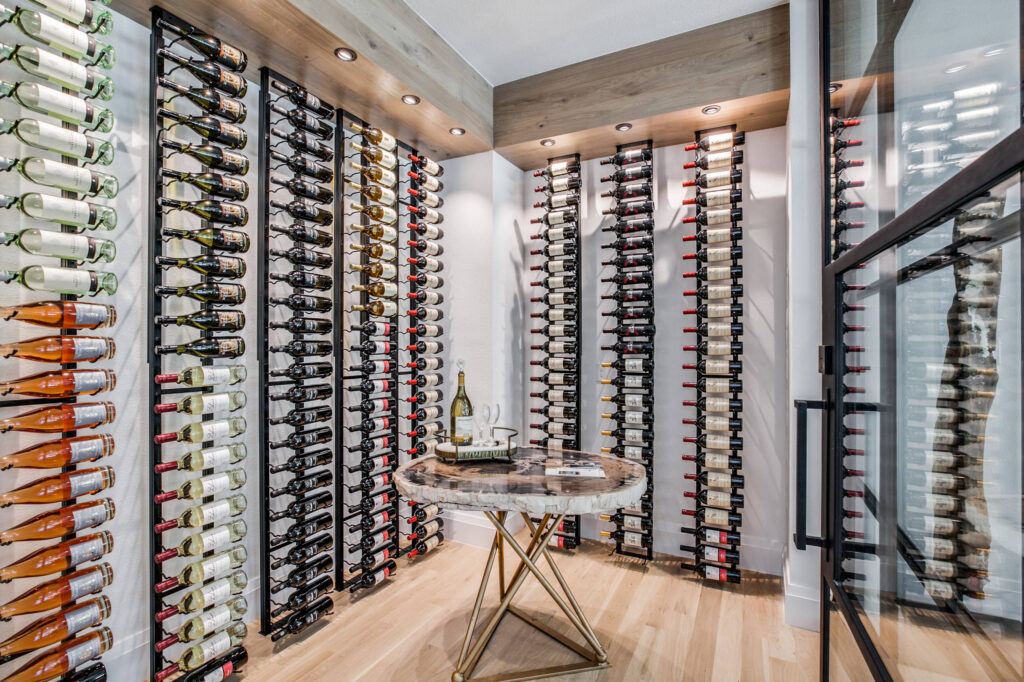
Adding a climate-controlled wine feature to a high-rise condo can turn an unused closet, pantry, wall, or architectural niche into an impressive wine display without requiring a dedicated basement or large wine room.
However, high-rise construction creates unique challenges. Limited space, building regulations, shared walls, electrical restrictions, noise concerns, and limited options for exhausting heat all need to be considered before choosing a wine cooling system.
The good news is that a well-planned wine cellar or wine wall can work beautifully in a condo. The key is to design the storage, enclosure, insulation, cooling, and ventilation as one integrated system.
The first step is identifying where the wine feature will go.
Potential locations include:
An unused closet
A kitchen or dining-room wall
A pantry
A hallway niche
Space beneath stairs
A home office
A portion of a larger walk-in closet
A glass-enclosed wine wall
A small space can often accommodate a surprisingly large collection when the racking is designed vertically.
Before construction begins, measure the available width, height, and depth. Also identify nearby electrical outlets, plumbing, HVAC components, doors, windows, and building columns.
High-rise condos are different from single-family homes because you’re working within a larger building structure.
Before modifying walls or installing equipment, check with the condo association, property manager, building engineer, or applicable local authorities regarding requirements for:
Electrical work
Wall modifications
Penetrations through walls or ceilings
Equipment installation
Noise levels
Condensate drainage
Ventilation
Fire-rated assemblies
Exterior-wall modifications
This step is particularly important if the cooling system requires ductwork or if heat needs to be exhausted outside the wine storage area.
A standard residential air conditioner isn’t designed specifically for wine storage.
A dedicated wine cellar cooling system is designed to maintain a more stable environment suitable for long-term wine storage. Depending on the size and construction of your wine feature, options can include self-contained, split, or ducted systems.
A self-contained system can be a practical choice for smaller wine rooms or enclosed spaces when there is an appropriate location for the unit and its exhaust air.
However, remember that the system removes heat from the wine enclosure and releases it elsewhere. In a compact condo, the location of that heat discharge is an important design consideration.
Split systems separate the evaporator and condenser, providing greater flexibility for installation.
This can be particularly useful in a condo where placing the condenser directly inside or adjacent to the wine enclosure isn’t desirable.
A ducted wine cooling system can provide an especially clean appearance because the equipment can be located away from the visible wine display.
Ducting can also help manage sound and heat, but installation requirements should be evaluated carefully in a high-rise environment.
Don’t select a cooling system simply because it is marketed for a particular room size.
The actual cooling requirement depends on the wine enclosure’s heat load. Factors can include:
Enclosure size
Insulation levels
Exterior temperatures
Number of glass walls
Type of wine cellar door
Exposure to sunlight
Adjacent room temperatures
Lighting
Location of the condenser
Glass can have a particularly significant effect on heat gain. A wine wall with multiple glass panels may require substantially more cooling capacity than an enclosed room of the same size.
A professional heat-load calculation is therefore one of the best ways to avoid choosing an undersized or unnecessarily oversized system.
A climate-controlled wine feature is only as effective as its enclosure.
If you’re converting a closet or building a small wine room, the walls, ceiling, floor, and door should be evaluated for thermal performance.
Proper insulation helps reduce heat transfer and allows the cooling system to maintain the desired conditions more efficiently.
The vapor-barrier strategy is also important because a wine cellar creates a cooler environment than the surrounding condo. Poorly designed assemblies can lead to condensation and moisture problems.
For this reason, wine cellar construction should be treated differently from simply adding decorative wine racks to an existing wall.
Glass can transform a wine collection into a stunning architectural feature.
A frameless or minimally framed glass enclosure can make a small condo appear more open while allowing the wine collection to remain visible from the living or dining area.
However, more glass generally means greater heat gain. The type of glass, orientation, surrounding temperature, and amount of direct sunlight should all be considered when sizing the cooling system.
For example Single panel glass enclosure is cost effective option that is chosen by most customers but it allows more heat transfer in the wine cellar. That is why a double panel insulated glass enclosure is recommended for wine cellars.
For a high-rise condo, glass can be an excellent design feature—as long as the thermal performance is incorporated into the engineering.
When floor space is limited, the wine rack becomes especially important.
Wall-mounted wine racks can provide substantial storage without consuming much floor area. Floor-to-ceiling systems can also maximize vertical space.
Modern condos often pair well with:
You can also combine storage styles. Standard bottle storage can hold the majority of the collection, while a smaller display section highlights special bottles.
Noise can be more noticeable in a condo than in a large detached home.
A wine cooling system should therefore be selected and installed with the surrounding living environment in mind.
Consider where the equipment will be located relative to:
Bedrooms
Living rooms
Home offices
Neighboring units
Shared walls
Proper equipment selection, mounting, insulation, and duct design can help reduce unwanted sound.
Cooling systems can produce condensation, depending on the equipment and operating conditions.
Before installation, determine how condensate will be managed. Possible solutions may include a drain connection or condensate pump, depending on the equipment and building configuration.
Don’t leave condensate management as an afterthought. Planning it during the design stage can prevent unnecessary modifications later.
A condo wine feature doesn’t have to look like mechanical equipment installed inside a closet.
With thoughtful design, the wine collection can become part of the architecture.
For a modern condo, consider a frameless glass enclosure with minimalist metal or cable wine racks. For a warmer aesthetic, custom wood racking can introduce texture and contrast.
Integrated LED lighting can highlight bottle labels and architectural details while creating an elegant evening display.
The best designs make the wine storage look intentional rather than added on.
Wine cooling equipment may require dedicated electrical power depending on the model.
Before installation, confirm the equipment’s voltage, amperage, circuit requirements, and installation location with the appropriate professionals.
High-rise buildings may have additional electrical restrictions, so the required power should be addressed before ordering equipment.
A high-rise condo may experience occasional power interruptions, whether from building maintenance, storms, or other events.
For a valuable collection, consider how the wine feature will respond to a power outage.
Depending on the value of the collection and the building’s infrastructure, options may include:
Backup power
Generator systems
Temperature monitoring
Remote alerts
Battery-backed monitoring devices
A monitoring system can provide additional peace of mind by alerting you when temperature or humidity moves outside the desired range.
Your wine collection may grow, and your design should accommodate that possibility.
Instead of designing a wine wall that holds exactly the number of bottles you currently own, consider future capacity.
Modular racking can make expansion easier, while custom installations can incorporate additional storage from the beginning.
You should also leave appropriate service access around the cooling equipment so future maintenance doesn’t require dismantling the entire wine display.
A climate-controlled wine feature can be an excellent addition to a high-rise condo, even when space is limited.
The key is to think beyond the wine rack. Insulation, vapor-barrier design, glass selection, heat-load calculations, cooling equipment, ventilation, electrical requirements, condensate management, and racking all need to work together.
For smaller spaces, a carefully engineered wine wall or closet conversion may provide all the storage you need. For larger collections, a dedicated glass-enclosed wine room can become a dramatic focal point in the condo.
At Cool Wine Cellar, we design wine storage solutions around the available space, collection size, desired aesthetics, and climate-control requirements. Whether you’re creating a compact wine closet or a contemporary glass wine feature, professional planning can help ensure your collection is protected while making the most of your condo’s limited space.