
Call Us 📞 800-323-3130
Mon–Fri 8am–6pm CST, Sat–Sun 9am–1pm CST
Free design consultations
Showrooms in Miami & Fort Lauderdale
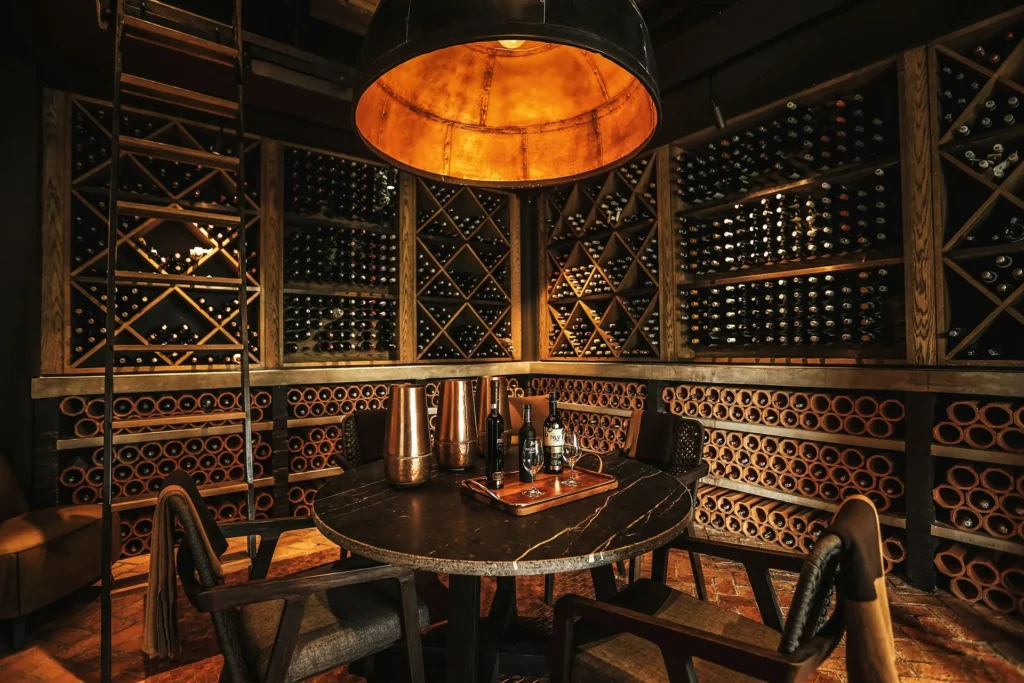
An unused basement can be transformed into much more than a place for boxes and storage. With the right planning, insulation, cooling, lighting, and wine racks, it can become a sophisticated climate-controlled wine sanctuary designed for long-term wine storage, entertaining, and display.
Unlike a simple wine room, a basement conversion gives you the opportunity to build the environment around your collection from the ground up. However, basements also present unique challenges—including moisture, temperature fluctuations, poor ventilation, and potential condensation—that need to be addressed before installing wine racks or a cooling system.
Here is how to approach the transformation step by step.
Before selecting wine racks or a wine cooling unit, evaluate the existing basement.
Look at:
The goal is to determine whether the basement can be converted into a sealed wine-storage environment.
If the basement regularly experiences water intrusion, excessive humidity, or significant temperature swings, those issues should be resolved before the wine cellar construction begins.
A wine cellar needs to retain cool air efficiently. Simply installing a wine cooling unit in an unfinished basement is rarely enough.
The walls, ceiling, floor, and door should work together as a thermal envelope.
Proper insulation helps prevent unwanted heat from entering the room and reduces the workload on the cooling system. Depending on the construction, options may include rigid insulation, closed-cell spray foam, or other appropriate insulation assemblies.
Pay particular attention to:
The objective is to minimize heat transfer and create a controlled environment for wine aging.
Moisture is one of the biggest concerns when converting a basement into a wine cellar.
A basement may appear dry but still have elevated humidity or moisture migrating through concrete walls and floors. Before finishing the room, investigate any signs of:
A wine cellar should not be used to conceal an existing moisture problem.
Waterproofing and moisture-management measures should be completed first. Then the cellar’s insulation and vapor-control strategy can be designed appropriately.
Once the room is properly insulated and sealed, you can determine the appropriate cooling system.
Wine cellar cooling systems are specifically designed to maintain the stable conditions wine needs for aging. Depending on the basement’s size, construction, heat load, and layout, you might consider:
These systems are relatively straightforward and can be installed through a wall or partition. They are often suitable for smaller wine rooms when there is an appropriate location for dissipating the unit’s heat.
A ducted system can provide a cleaner appearance because the cooling equipment can be positioned away from the wine room while cool air is delivered through ductwork.
This can be particularly attractive when creating a luxury wine sanctuary where visible mechanical equipment would detract from the design.
Split systems separate the evaporator from the condenser. This provides additional flexibility when you need to keep heat and noise away from the wine room.
Ceiling-mounted systems can be useful when wall space is limited or when you want to preserve the appearance of the cellar walls for wine racks.
The cooling system should be selected based on heat-load calculations rather than room volume alone. Glass, lighting, exterior walls, surrounding temperatures, insulation, and other factors can significantly affect the required cooling capacity.
Wine generally benefits from a stable storage environment rather than frequent temperature fluctuations.
A properly designed wine cellar commonly targets approximately 55°F, although the ideal temperature can vary depending on the purpose of the cellar and the collection.
Humidity is also important. Excessively dry conditions can contribute to cork problems, while excessive humidity can encourage mold and damage labels, wood finishes, and other materials.
The goal is a stable, controlled environment, not simply a cold room.
Now comes one of the most enjoyable parts of the project: designing the wine storage.
Your wine racks should reflect both your collection and how you intend to use the room.
Popular options include:
A large collection may benefit from a combination of standard bottle storage and display areas.
For example, the majority of bottles can be stored efficiently in individual bottle racks while your most valuable or visually appealing bottles receive dedicated label-forward display positions.
A wine sanctuary should feel like a destination, not simply a storage room.
Consider creating a focal point with:
Glass can also make a basement wine cellar feel larger and more connected to the surrounding space.
However, glass introduces additional heat load, so extensive glass walls or doors should be incorporated into the cooling-system calculations.
The entry door is another important component of the thermal envelope.
A standard interior door may allow conditioned air to escape and warm air to enter. A properly sealed wine cellar door should provide an effective barrier between the wine room and the surrounding basement.
Depending on your design, you can choose between:
Weatherstripping and proper sealing around the frame are just as important as the door itself.
Lighting can dramatically change the character of a wine cellar.
LED lighting is a popular choice because it provides design flexibility while producing relatively little heat compared with traditional lighting technologies.
Consider using:
Avoid excessive heat-producing lighting inside the controlled space, particularly around wine bottles.
A dimmer or layered lighting system can also allow the room to transition from practical storage to an intimate entertaining space.
Plan electrical requirements before the walls are closed.
Your basement wine sanctuary may require power for:
It is also worth considering temperature and humidity monitoring with alerts so you can quickly identify a cooling-system problem or unexpected environmental change.
For valuable collections, backup power planning can provide an additional layer of protection during electrical outages.
The flooring should complement the room while tolerating the environmental conditions of a basement.
Popular choices include:
Wooden wine racks can then provide warmth and contrast against the flooring and walls.
For a traditional sanctuary, rich wood tones can create a classic cellar atmosphere. For a contemporary design, metal racks, glass, and minimalist finishes can produce a more architectural appearance.
If space allows, don’t dedicate every square foot to bottle storage.
A basement wine sanctuary can incorporate a small tasting area with:
This turns the cellar into an experience rather than simply a storage facility.
The tasting area should be designed carefully so that heat-producing appliances do not unnecessarily increase the cooling load inside the wine room.
Your wine collection will probably change over time.
When planning the racks, consider how many bottles you have today—and how many you expect to have several years from now.
It is often better to leave some capacity for growth than to design a cellar that is completely full on day one.
Also consider how easily you can access bottles at the back of the collection. Label-forward racks and organized sections can make inventory management much easier.
A climate-controlled wine cellar depends on its cooling system, making electrical reliability an important consideration.
For valuable collections, consider:
The exact backup strategy depends on the size and value of the collection and the local electrical infrastructure.
A basement wine cellar involves more than installing attractive racks.
The project may require coordination between a:
The most successful projects consider insulation, vapor control, cooling, electrical requirements, rack layout, lighting, and aesthetics together.
A professional wine cellar designer can also calculate the room’s heat load and help determine which cooling configuration is appropriate.
Converting an unused basement into a climate-controlled wine sanctuary is an opportunity to create a space that protects your collection while adding character and value to your home.
The key is to build the environment first and decorate it second. Proper insulation, moisture management, vapor control, cooling capacity, sealing, and monitoring create the foundation. Custom wine racks, glass, lighting, wood finishes, and tasting areas then transform that functional environment into a luxurious destination.
Whether you envision a traditional mahogany cellar, a contemporary glass wine room, or a dramatic floor-to-ceiling wine display, careful planning can turn an overlooked basement into a beautiful and reliable home for your collection.