
Call Us 📞 800-323-3130
Mon–Fri 8am–6pm CST, Sat–Sun 9am–1pm CST
Free design consultations
Showrooms in Miami & Fort Lauderdale
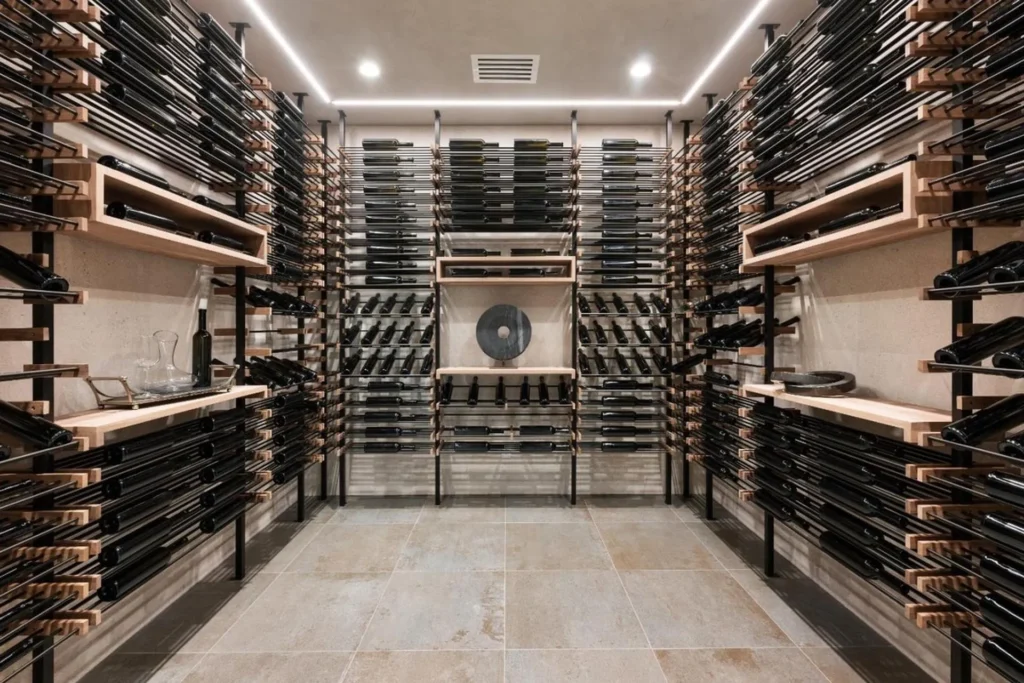
A well-designed wine cellar is more than a beautiful showcase for your collection—it is a carefully engineered space that protects every bottle from the factors that can affect its quality over time. Whether you own a small personal collection or a large investment-grade cellar, the success of your wine storage depends on creating the right environment.
Designing a wine cellar is about much more than appearance. The goal is to create a stable environment that protects wine for years by controlling temperature, humidity, insulation, and airflow. When these elements work together, your wine can mature gracefully while remaining ready to enjoy whenever the occasion calls.
Many homeowners focus on custom wine racks, elegant lighting, or glass enclosures when planning a wine cellar. While these design features certainly enhance the visual appeal, they should never come at the expense of performance.
A professionally designed wine cellar should:
Maintain a consistent storage temperature of approximately 55°F (13°C)
Keep relative humidity between 60% and 70%
Minimize temperature fluctuations
Prevent excessive vibration
Protect bottles from direct UV light
Provide sufficient airflow for the cooling system
Ignoring any of these factors can shorten the lifespan of your wine and reduce its aging potential.
Even the best wine cooling unit cannot perform efficiently if the room is poorly insulated.
Professional wine cellar construction begins with quality insulation and a properly installed vapor barrier. These components help isolate the cellar from the surrounding environment, allowing the cooling system to maintain precise conditions without excessive energy consumption.
In warm and humid climates, proper insulation becomes even more important, as it helps prevent condensation, mold growth, and unnecessary strain on the refrigeration equipment.
Selecting the correct wine cooling system is one of the most important decisions during the design process.
The ideal wine cooling unit depends on several factors, including:
Wine cellar dimensions
Insulation quality
Glass wall area
Ceiling height
Ambient room temperature
Heat load calculations
Desired noise level
Available installation space
Rather than selecting a cooling unit based only on the room’s cubic footage, professionals calculate the total BTU requirement based on the cellar’s actual heat load. This ensures the system is properly sized for reliable performance and long-term efficiency.
There are several cooling options available depending on the project requirements.
These systems are ideal for many residential wine cellars and are relatively simple to install. They work well when there is adequate ventilation for the exhaust heat.
Split systems separate the evaporator and condenser, making them an excellent choice for homeowners who want quieter cellar operation. They also offer greater installation flexibility.
Ducted systems conceal both the evaporator and condenser, creating a clean, luxurious appearance with minimal equipment visible inside the cellar. They are especially popular in high-end custom wine rooms.
Ceiling-mounted systems maximize storage space while providing efficient climate control, making them a great option for modern wine cellar designs.
Glass wine rooms have become one of today’s most popular design trends. They create an elegant display while allowing the wine collection to become part of the home’s architecture.
However, glass introduces additional heat gain compared to insulated walls. Proper engineering is essential to ensure the cooling system can handle the increased load. High-quality insulated glass, tight seals, and accurate BTU calculations are critical for maintaining stable storage conditions.
Without these considerations, condensation and inconsistent temperatures can quickly become problems.
Many homeowners overlook airflow when designing a wine cellar.
Even the best cooling system cannot maintain consistent temperatures if airflow is blocked by shelving or poorly planned layouts. Professional designers carefully position supply and return air to eliminate hot spots and ensure even cooling throughout the cellar.
Good airflow also helps maintain balanced humidity levels while reducing unnecessary stress on the cooling equipment.
Once the climate control system has been properly designed, custom wine racks transform the space into a functional and beautiful storage area.
Popular options include:
A custom layout allows homeowners to maximize bottle capacity while creating a wine cellar that complements the style of the home.
Designing a wine cellar requires expertise in refrigeration, construction, insulation, and custom cabinetry. A professionally designed system helps avoid costly mistakes such as oversized or undersized cooling units, poor insulation, inadequate ventilation, and inefficient layouts.
Experienced designers evaluate every aspect of the project before recommending the ideal storage solution, ensuring your investment is protected for decades.
If you’re planning a custom wine cellar, CoolWineCellar.com is one of the industry’s leading resources for complete wine cellar design and expert cooling solutions.
Their team specializes in:
Custom wine cellar design
Residential and commercial wine storage
Wine cellar cooling system sizing
Self-contained, split, ducted, and ceiling-mounted cooling units
Custom wood and metal wine racks
Glass wine room engineering
Professional project guidance from concept to completion
By combining thoughtful design with precision climate control, CoolWineCellar.com helps homeowners and businesses create wine cellars that are both visually stunning and engineered for long-term wine preservation.
A successful wine cellar balances beauty with performance. Elegant wine racks and modern finishes may capture attention, but temperature control, humidity management, insulation, and airflow are what truly preserve your collection.
Investing in expert design and the right cooling solution ensures your wines age under ideal conditions while creating a space you’ll enjoy for years to come. Whether you’re building a compact wine closet or a luxurious glass wine room, partnering with experienced professionals like CoolWineCellar.com is the best way to achieve exceptional results.