
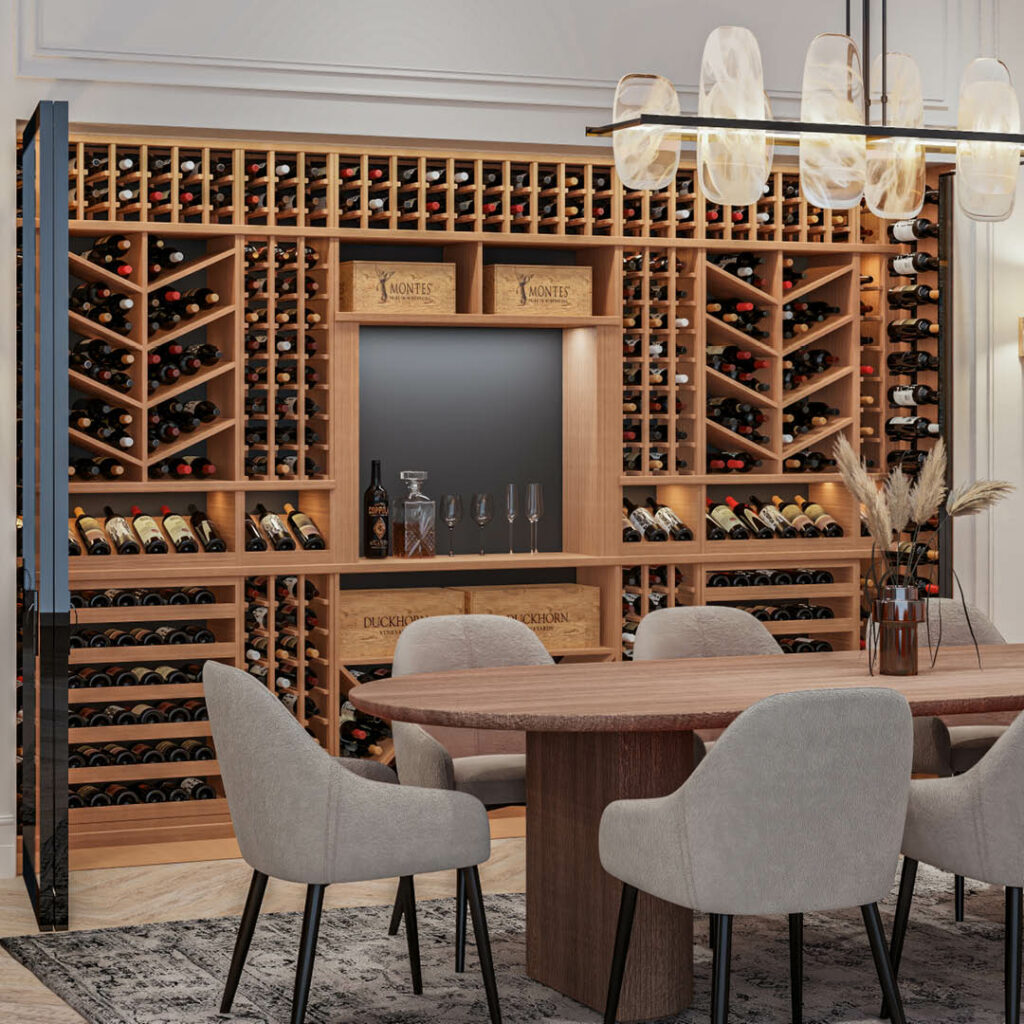
Building a custom wine cellar is more than just adding wine racks to a room. It’s an investment in protecting your collection, enhancing your home’s value, and creating a space that reflects your personal style. The right wine cellar builder combines design expertise, construction knowledge, and climate-control engineering to create a cellar that performs as beautifully as it looks.
Choosing the wrong contractor, however, can lead to costly problems such as poor temperature control, condensation, mold, inefficient cooling systems, and expensive repairs.
Before signing a contract, ask these 12 essential questions to ensure you’re hiring a qualified wine cellar builder.
1. How Much Experience Do You Have Building Wine Cellars?
Not every contractor understands the unique requirements of wine storage.
Ask how many wine cellar projects they’ve completed and whether they specialize in custom wine cellars or simply offer them as an occasional service.
Experienced builders understand:
- Proper insulation techniques
- Vapor barrier installation
- Cooling system sizing
- Humidity management
- Wine rack design
- Glass enclosure engineering
The more specialized their experience, the more likely your project will perform properly for years to come.
2. Can You Show Me a Portfolio of Completed Projects?
A reputable builder should be proud to showcase previous work.
Ask to see projects similar to yours, such as:
- Modern glass wine rooms
- Traditional wood wine cellars
- Contemporary metal wine walls
- Under-stair wine storage
- Commercial wine displays
- Luxury residential wine rooms
Pay attention to craftsmanship, lighting, finishes, and overall design quality.
3. Will You Calculate the Cooling Load Instead of Guessing?
One of the most common mistakes in wine cellar construction is choosing a cooling unit based only on room size.
Professional builders perform a BTU heat-load calculation that considers:
- Room dimensions
- Insulation values
- Glass area
- Ceiling height
- Sun exposure
- Local climate
- Door type
- Lighting
- Number of exterior walls
Proper sizing helps maintain a stable storage environment while avoiding unnecessary energy costs. Get a Free Heatload Calculation from our wine cooling units experts.
4. What Type of Cooling System Do You Recommend?
There isn’t a single cooling system that’s right for every wine cellar.
Ask why a particular system is being recommended.
Options may include:
- Through-the-wall systems
- Self-contained units
- Split systems
- Ducted cooling systems
- Ceiling-mounted cooling units
A knowledgeable builder should explain the pros and cons of each based on your space, noise preferences, and design goals.
5. How Will You Handle Wine Cellar Insulation and Vapor Barriers?
A beautiful wine cellar can fail if moisture control is overlooked.
Ask about:
- Insulation type
- Vapor barrier placement
- Sealing methods
- Moisture prevention
- Wall construction
Improper vapor barriers can lead to condensation, mold growth, wood damage, and cooling inefficiency.
6. What Materials Do You Recommend for My Wine Racks?
Wine racks should complement both your collection and your home’s design.
Discuss available materials, including:
- Premium hardwoods
- Mahogany
- Redwood
- White oak
- Walnut
- Powder-coated steel
- Stainless steel
- Cable wine racks
- Acrylic displays
The builder should explain how each material performs in a climate-controlled environment and which option best fits your aesthetic and maintenance preferences.
7. Will the Design Allow for Future Collection Growth?
Many collectors outgrow their original cellar sooner than expected.
Ask whether the design includes:
- Expansion space
- Modular wine racks
- Adjustable shelving
- Display areas
- Mixed bottle storage
- Magnum bottle capacity
- Case storage
Planning ahead now can save significant renovation costs later.
8. How Will You Prevent Condensation on Glass?
If you’re planning a glass wine room, this question is essential.
Ask about:
- Double-pane insulated glass
- Thermal performance
- Door seals
- Silicone joints
- Weather stripping
- Humidity control
A builder experienced with glass wine rooms should explain how they’ll minimize condensation while maintaining ideal storage conditions.
9. Who Will Manage the Entire Project?
Some companies design wine cellars but outsource installation.
Others coordinate every phase internally.
Ask who is responsible for:
- Design
- Construction
- Electrical work
- Cooling installation
- Glass fabrication
- Millwork
- Final inspection
Having a single point of contact often results in smoother communication and better project coordination.
10. What Is Included in the Quote?
A low quote isn’t always the best value.
Request a detailed proposal that clearly outlines:
- Design fees
- Materials
- Wine racks
- Cooling equipment
- Installation
- Electrical work
- Glass
- Lighting
- Permits (if required)
- Shipping
- Warranty
Understanding what’s included helps prevent unexpected costs later.
11. What Warranty and Support Do You Provide?
Ask what happens after installation.
Questions to ask include:
- Is workmanship covered?
- Are cooling units covered by manufacturer warranties?
- What happens if adjustments are needed?
- Is ongoing maintenance available?
- Do you offer service after installation?
A reputable builder should stand behind both their craftsmanship and customer service.
12. Can You Provide Customer References?
Online reviews are helpful, but speaking directly with previous customers provides valuable insight.
Ask references about:
- Communication
- Timelines
- Budget accuracy
- Installation quality
- Problem resolution
- Overall satisfaction
Happy past clients are often the strongest indicator of a builder’s reliability.
Bonus Questions Worth Asking
Depending on your project, you may also want to ask:
- Can you create 3D renderings before construction begins?
- Do you offer custom lighting design?
- Can you match existing cabinetry or flooring?
- What is the estimated project timeline?
- Will permits be required?
- How do you protect my home during construction?
- Can the cellar be integrated into a smart home system?
These details can significantly improve the overall experience and outcome.
Red Flags to Watch For
Be cautious if a builder:
- Recommends a cooling unit without performing a heat-load calculation.
- Doesn’t mention insulation or vapor barriers.
- Has little or no wine cellar experience.
- Cannot provide photos of completed projects.
- Offers vague pricing without a detailed proposal.
- Doesn’t explain warranty coverage.
- Pushes one solution without discussing alternatives.
- Avoids questions about maintenance or service.
A trustworthy builder should welcome informed questions and provide clear, confident answers.
Why Choosing the Right Builder Matters
A wine cellar is a specialized environment that combines architecture, refrigeration, woodworking, lighting, and interior design. Success depends on every component working together to maintain stable temperature, humidity, and long-term reliability.
An experienced wine cellar builder can help you:
- Protect your wine investment.
- Maximize storage capacity.
- Create a visually stunning feature.
- Improve energy efficiency.
- Avoid expensive future repairs.
- Increase your home’s appeal and value.
Taking the time to ask the right questions before hiring a builder can make the difference between a wine cellar that simply looks good and one that preserves your collection for decades.
Frequently Asked Questions (FAQs)
How do I know if a wine cellar builder is qualified?
Look for a company with extensive wine cellar experience, a strong portfolio, positive customer reviews, and expertise in cooling systems, insulation, vapor barriers, and custom wine storage.
Should my wine cellar builder provide a cooling load calculation?
Yes. A professional builder should perform a BTU heat-load calculation based on your room’s size, insulation, glass, climate, and other factors rather than selecting a cooling unit by room volume alone.
Why is a vapor barrier important in a wine cellar?
A properly installed vapor barrier helps prevent moisture from entering the cellar walls, reducing the risk of condensation, mold, and reduced cooling efficiency.
Is it better to hire one company for design and installation?
Many homeowners prefer a company that manages both design and installation because it simplifies communication and helps ensure all aspects of the project work together seamlessly.
How long does a custom wine cellar project usually take?
The timeline varies depending on the size, complexity, custom materials, and availability of products. Small projects may take a few weeks, while larger custom wine rooms can take several months.
Should I plan for future wine collection growth?
Absolutely. Designing extra storage capacity or using modular wine racks can save money and eliminate the need for major renovations as your collection expands.
Can a wine cellar builder help with modern glass wine rooms?
Yes. Experienced builders can design and construct frameless or framed glass wine rooms with proper insulation, sealing, and cooling solutions to maintain ideal wine storage conditions.