
Call Us 📞 800-323-3130
Mon–Fri 8am–6pm CST, Sat–Sun 9am–1pm CST
Free design consultations
Showrooms in Miami & Fort Lauderdale
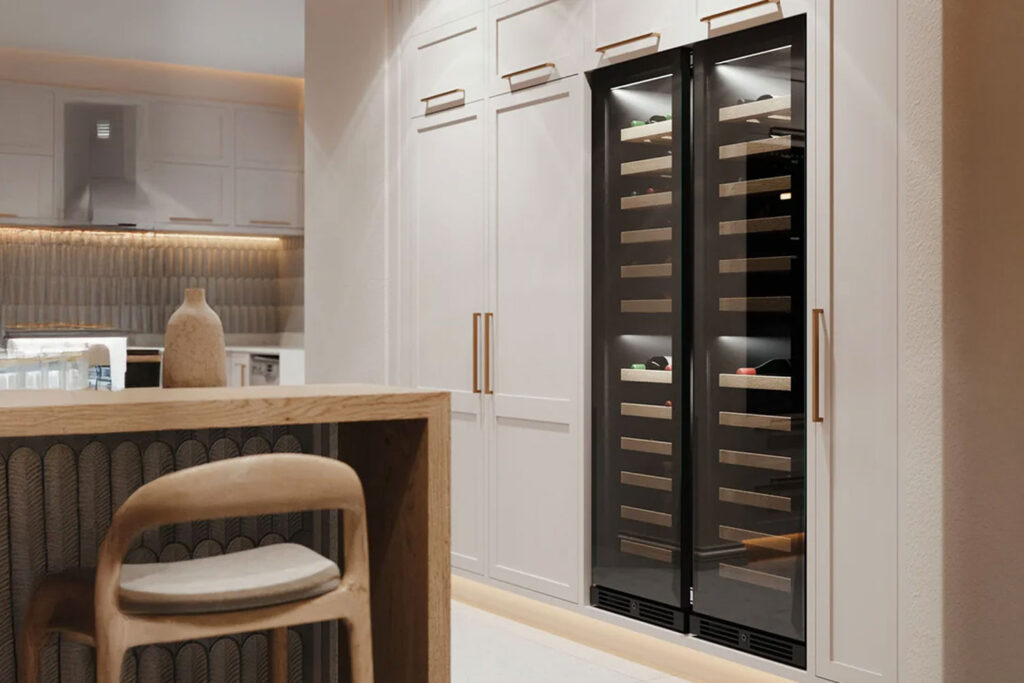
Buying wine is easy. Storing it properly is where many collectors make expensive mistakes.
If you’re trying to decide between a wine fridge, a wine cellar cooling unit, or a fully custom wine cellar, the right choice depends on how many bottles you own today—and how your collection will grow in the future.
This guide explains the advantages, limitations, and ideal use cases for each option so you can invest wisely.
Wine is sensitive to its environment. Heat, temperature swings, dry air, and excessive vibration can all shorten its lifespan or permanently alter its flavor.
For long-term storage, experts recommend maintaining:
The larger your collection becomes, the more important these conditions become.
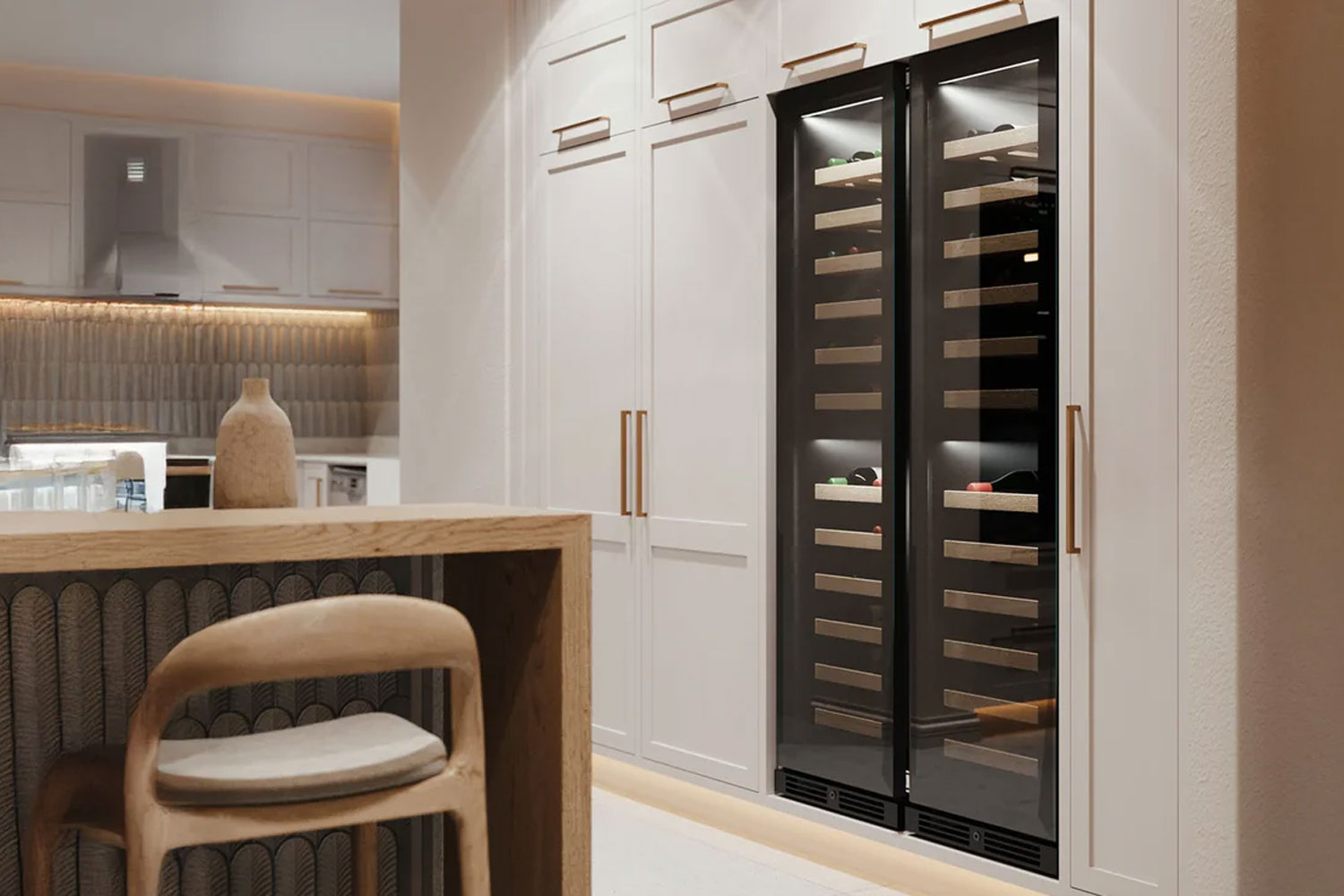
A wine fridge (also called a wine refrigerator or wine cooler) is a self-contained appliance designed to store wine at serving or aging temperatures.
Best For
Advantages
Limitations
Ideal Collection Size
10–150 bottles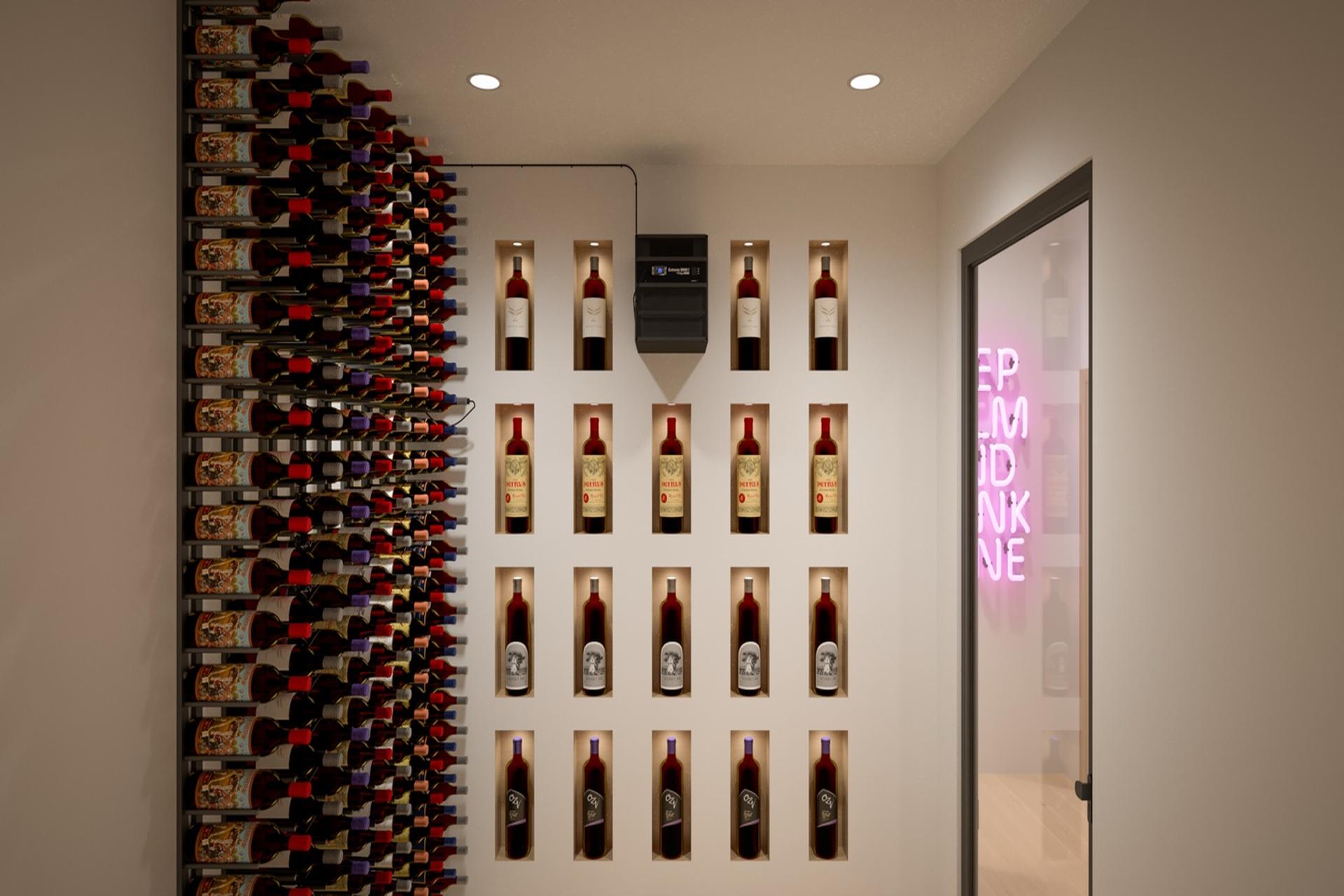
A wine cooling unit is designed to maintain ideal cellar conditions inside an insulated room. Rather than cooling individual bottles, it controls the entire wine room.
Cooling systems are available in several styles:
Best For
Advantages
Limitations
Ideal Collection Size
150–2,000+ bottles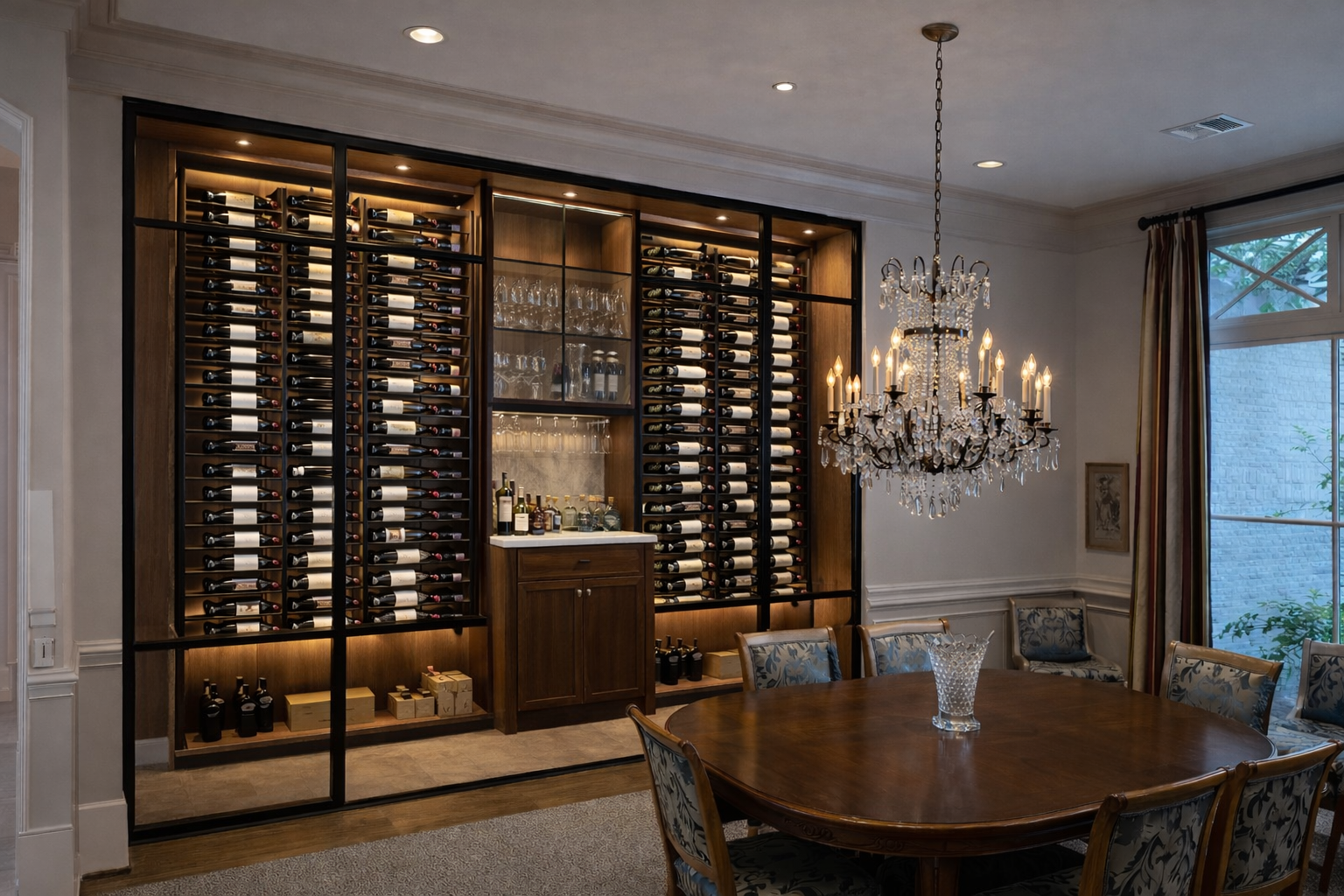
A custom wine cellar combines specialized cooling, insulation, vapor barriers, lighting, wine racks, doors, and design features into one integrated storage solution.
This is the ultimate option for serious collectors.
Best For
Advantages
Limitations
Ideal Collection Size
300–5,000+ bottles| Feature | Wine Fridge | Cooling Unit | Custom Wine Cellar |
|---|---|---|---|
| Initial Cost | Low | Moderate | Highest |
| Installation | Easy | Moderate | Professional |
| Bottle Capacity | 20–200 | 150–2,000+ | Unlimited |
| Expandable | Limited | Yes | Yes |
| Long-Term Aging | Good | Excellent | Excellent |
| Custom Appearance | Limited | Moderate | Fully Custom |
| Home Value | Low | Moderate | High |
You Own Fewer Than 50 Bottles
A quality wine fridge is usually the smartest investment.
It provides stable temperatures without requiring a dedicated room.
You Own 100–300 Bottles
This is where many collectors outgrow wine refrigerators.
A dedicated wine room with a cooling system offers:
You Expect Your Collection to Grow
Many homeowners purchase a wine fridge only to replace it a few years later.
If you regularly buy wine for aging, belong to wine clubs, or collect rare vintages, planning for future growth can save money over time.
You Want a Showpiece
Today’s wine cellars are no longer hidden in basements.
Popular installations include:
A custom cellar transforms wine storage into part of your home’s interior design.
Although a wine fridge has the lowest upfront cost, it often becomes limiting as collections expand.
A professionally designed wine cellar offers benefits beyond storage:
For many homeowners, investing once in the right solution is more cost-effective than upgrading multiple times.
Before choosing a storage solution, ask yourself:
Your answers will often point clearly toward the right solution.
There is no one-size-fits-all solution for wine storage.
Planning for both your current needs and future collection growth ensures your investment continues to serve you for years to come.
Is a wine fridge good enough for aging wine?
Yes, for smaller collections and medium-term aging. However, serious collectors often prefer a dedicated wine cellar with professional climate control for long-term storage.
What’s the difference between a wine fridge and a wine cellar cooling unit?
A wine fridge cools an enclosed appliance, while a wine cellar cooling unit controls the climate of an entire insulated room designed specifically for wine storage.
When should I upgrade from a wine fridge?
If your collection approaches 150 bottles, you’re running out of storage space, or you plan to age wines for many years, it may be time to consider a dedicated wine cellar.
Can I install a cooling unit in any room?
No. Wine cooling units are designed for properly insulated wine rooms with vapor barriers and appropriate construction. Installing one in a standard room without these features can reduce performance and efficiency.
Does a custom wine cellar increase home value?
A professionally designed wine cellar can enhance a home’s appeal, particularly in luxury properties where specialty features and entertaining spaces are highly valued.