
Call Us 📞 800-323-3130
Mon–Fri 8am–6pm CST, Sat–Sun 9am–1pm CST
Free design consultations
Showrooms in Miami & Fort Lauderdale
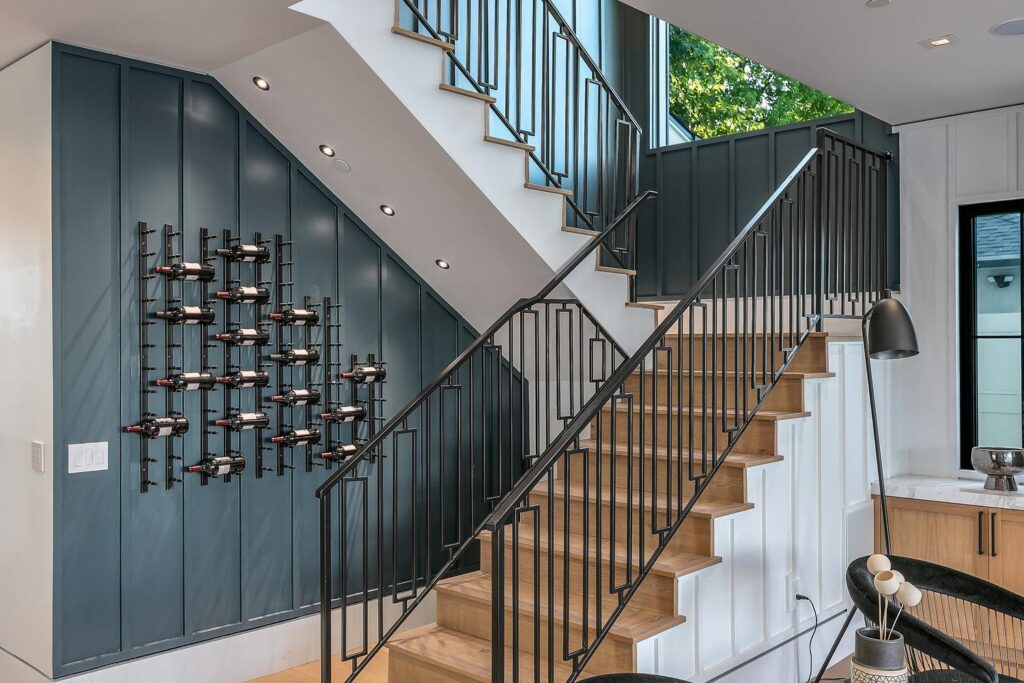
If you’re dreaming of owning a custom wine cellar, one of the first decisions you’ll need to make isn’t which wine racks or cooling system to choose—it’s where your wine cellar should go.
Many homeowners assume they need a large basement or dedicated room to store wine properly. In reality, today’s custom wine cellar designs can transform surprisingly small or unused spaces into beautiful, climate-controlled storage.
Three of the most popular locations are:
Under-stairs wine cellars
Basement wine cellars
Closet wine cellars
Each offers unique advantages, and the right choice depends on your available space, collection size, budget, and long-term goals.
This guide compares each option to help you determine the best footprint for your home.
A wine cellar is more than a storage room. It creates a controlled environment that protects your collection from the four biggest threats to wine:
Temperature fluctuations
Low or excessive humidity
UV light
Vibration
The location you choose affects:
Cooling system requirements
Construction costs
Energy efficiency
Storage capacity
Accessibility
Overall appearance
Choosing the right footprint from the beginning makes the entire project more successful.
An under-stairs wine cellar transforms otherwise unused space into an attractive design feature.
Because staircases naturally create triangular or angled spaces, custom wine racks and glass enclosures are often used to maximize every inch.
Small homes
Modern interiors
Open-concept floor plans
Homeowners with limited extra space
Collections of 100–500 bottles
Excellent Space Efficiency
Instead of wasting storage beneath the stairs, you create a functional wine display.
Beautiful Visual Feature
Glass enclosures and LED lighting can turn an under-stairs cellar into a focal point of the home.
Convenient Access
Many under-stairs wine rooms are located near dining rooms, kitchens, or entertaining spaces, making it easy to access your collection.
Lower Construction Costs
Because the footprint is relatively small, materials and cooling requirements may cost less than those for larger cellars.
The irregular shape often requires:
Custom wine racks
Custom glass panels
Careful cooling system planning
Every under-stairs project is unique.
For serious collectors, the basement remains one of the best locations for long-term wine storage.
Basements naturally stay cooler than upper floors, reducing the workload on the cooling system.
Large collections
Long-term aging
Luxury homes
Dedicated tasting rooms
Collections of 500 bottles or more
Naturally Cooler Environment
Since basements are partially or fully below ground, they experience fewer temperature swings throughout the year.
Larger Storage Capacity
Basements provide more flexibility for:
Individual bottle racks
Display shelving
Wine lockers
Tasting tables
Humidors
Artwork and décor
Easier Future Expansion
Many homeowners begin with one section and expand as their collection grows.
Basements may require:
Moisture management
Vapor barriers
Proper insulation
Professional cooling system design
If these issues are addressed during construction, basement wine cellars can provide excellent storage conditions.
A spare closet can often be converted into a climate-controlled wine room with relatively minor renovations.
Closet wine cellars are especially popular for homeowners who want dedicated wine storage without sacrificing living space.
Small collections
Townhomes
Condominiums
Apartments
First-time collectors
Collections of 50–300 bottles
Uses Existing Space
No room addition is required.
Affordable Entry Point
Closet conversions are typically less expensive than building a completely new wine room.
Easy Climate Control
Smaller spaces usually require lower-capacity cooling systems.
Flexible Design
Even compact closets can include:
Wood wine racks
Metal wine racks
Diamond bins
Display shelves
Accent lighting
Closets located on exterior walls or near laundry rooms may require additional insulation to minimize heat transfer.
When properly constructed, all three locations can maintain ideal wine storage conditions.
However, some naturally have advantages.
Basement
⭐⭐⭐⭐⭐
Typically experiences the least temperature fluctuation.
Under Stairs
⭐⭐⭐⭐☆
Usually performs well when located within conditioned living space.
Closet
⭐⭐⭐☆☆
Performance depends on the surrounding environment and insulation quality.
Regardless of location, a properly sized wine cooling system is essential for maintaining approximately 55°F (13°C) and the recommended humidity levels.
Generally speaking:
Closet Conversion
Usually the most economical because the structure already exists.
Under-Stairs Cellar
Moderate cost due to custom glass and rack fabrication.
Basement Cellar
Often the largest investment because of its size and additional finishing work.
Actual costs vary depending on finishes, materials, cooling equipment, and custom features.
One of the biggest mistakes homeowners make is designing a cellar for today’s collection instead of tomorrow’s.
Ask yourself:
Will I buy wine regularly?
Do I plan to age wines for many years?
Do I entertain guests often?
Will I need display space for special bottles?
Planning for future growth can save you from costly renovations later.
No matter where your wine cellar is located, a few design principles help maximize both function and appearance.
Choose the Right Wine Racks
Select storage that suits your collection size and preferred bottle orientation while making efficient use of available wall space.
Invest in Proper Cooling
Every climate-controlled wine cellar should include a cooling system sized specifically for the room’s heat load—not just its cubic footage.
Use Energy-Efficient Glass
If your design includes glass walls or doors, insulated dual-pane glass helps reduce heat transfer and improve efficiency.
Add LED Lighting
LED fixtures generate minimal heat and highlight your wine collection without exposing it to damaging UV light.
Plan for Expansion
Leave room to add racks or display shelves as your collection grows.
Can I build a wine cellar under my staircase?
Yes. Under-stairs spaces are excellent candidates for custom wine cellars and can be transformed into stylish, climate-controlled displays with custom racks and glass enclosures.
Is a basement the best place for a wine cellar?
In many homes, yes. Basements often provide naturally stable temperatures and ample space, making them ideal for larger collections and long-term aging.
Can I convert a closet into a wine cellar?
Absolutely. A properly insulated closet equipped with a suitable wine cooling system can become an effective wine storage space for small to medium-sized collections.
Which wine cellar location is the most energy efficient?
Basements are often the most energy efficient because they stay cooler throughout the year. However, any well-insulated and properly sealed wine cellar can operate efficiently when paired with the correct cooling system.
How much space do I need for a wine cellar?
You don’t need a large room. Even a compact closet or the area beneath a staircase can provide enough space for dozens or even hundreds of bottles when designed with custom wine racks.
The best wine cellar footprint isn’t determined by the largest available room—it’s the one that fits your home, your lifestyle, and the way you plan to enjoy your collection.
An under-stairs wine cellar is perfect for showcasing wine in modern living spaces. A basement wine cellar offers unmatched capacity and natural temperature stability for serious collectors. A closet wine cellar provides an affordable, space-efficient solution for homeowners who want dedicated storage without major renovations.
No matter which footprint you choose, success depends on thoughtful design, proper insulation, high-quality wine racks, and a professionally sized cooling system. With the right planning, even the smallest unused space can become a beautiful wine cellar that protects your investment and enhances your home for years to come.