
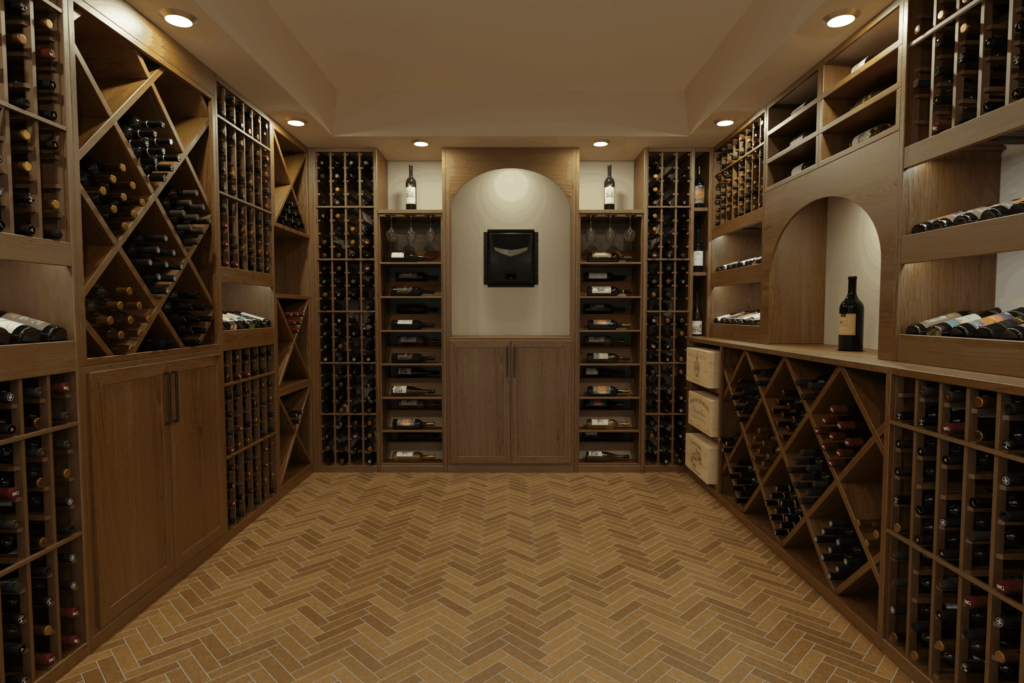
If you’re researching wine cellar cooling systems, you’ve likely come across Wine Guardian. Known for its broad lineup of through-the-wall, ducted, split, and commercial-grade wine cooling units, Wine Guardian has earned a strong reputation among homeowners, wine cellar builders, architects, and commercial wine storage facilities. The company offers one of the industry’s widest selections of cooling systems, with models designed for everything from compact residential wine rooms to large custom cellars.
But are Wine Guardian cooling systems worth the investment?
In this review, we’ll examine the advantages, drawbacks, and ideal applications for Wine Guardian systems so you can decide whether they’re the right choice for your wine cellar.
About Wine Guardian
Wine Guardian specializes exclusively in climate control solutions for wine storage. Unlike standard HVAC systems, its products are engineered to maintain the stable conditions required for proper wine aging, including consistent temperatures, controlled humidity, and minimal vibration. The product lineup includes:
- Through-the-wall cooling units
- Ducted cooling systems
- Ducted split systems
- Ceiling mounted cooling systems
- Commercial and specialty HVAC systems
- Optional humidifiers, heaters, and smart control accessories
Pros of Wine Guardian Cooling Systems
1. Excellent Temperature Stability
One of Wine Guardian’s greatest strengths is precise temperature control. Fine wine stores best around 55°F (13°C), and Wine Guardian systems are designed to maintain consistent conditions with minimal fluctuation.
This stability helps protect wine from premature aging caused by heat or rapid temperature changes.
2. Advanced Humidity Management
Humidity is just as important as temperature. If humidity is too low, corks can dry out. If it’s too high, mold and mildew may develop.
Many Wine Guardian models support integrated or standalone humidification, making them well suited for long-term wine storage.
3. Wide Variety of Cooling Options
Wine Guardian offers solutions for nearly every type of wine cellar, including:
- Small residential wine rooms
- Walk-in wine cellars
- Glass wine rooms
- Luxury homes
- Restaurants
- Hotels
- Commercial wine storage
Available system types include:
- Through-the-wall
- Ducted
- Ducted split
- Ductless split
- Water-cooled options for specialized installations
4. Quiet Operation
For homeowners building luxury wine rooms adjacent to living spaces, noise matters.
Split and ducted Wine Guardian systems place noisy mechanical components outside the cellar or in a remote location, resulting in very quiet operation inside the wine room.
5. Flexible Installation
Wine Guardian systems can accommodate many installation scenarios, including:
- Ceiling-mounted applications
- Mechanical rooms
- Attics
- Basements
- Adjacent utility spaces
- Hidden ducted installations
This flexibility gives designers more freedom to create clean, uninterrupted wine cellar interiors.
6. Smart Controls and Optional Accessories
Depending on the model, Wine Guardian offers features such as:
- Digital controllers
- Wireless monitoring
- Optional smart controls
- Humidifiers
- Heaters
- Extreme climate protection packages
These accessories help tailor the system to the cellar’s environment and local climate.
7. Strong Reputation Among Professionals
Wine Guardian has been a trusted choice among many wine cellar designers and installers for years, particularly for custom residential and commercial projects where precise climate control is essential. The brand is frequently selected for premium installations because of its broad product range and application flexibility.
Cons of Wine Guardian Cooling Systems
No cooling system is perfect. Here are some considerations before purchasing.
1. Higher Initial Cost
Wine Guardian systems generally cost more than many entry-level cooling units.
However, the higher price often reflects:
- Greater installation flexibility
- Premium components
- Advanced humidity management
- Commercial-grade engineering
2. Professional Installation Is Often Required
While some through-the-wall models are suitable for experienced DIY users, most ducted and split systems require professional installation, including refrigeration work and proper system sizing.
3. Proper Cellar Construction Is Essential
Even the best cooling unit cannot compensate for poor cellar construction.
For optimal performance, your wine cellar should include:
- Proper insulation
- A vapor barrier
- Airtight construction
- Correct BTU sizing
Without these elements, the cooling system may run longer, consume more energy, and struggle to maintain ideal conditions.
4. Ongoing Maintenance
Like any HVAC equipment, Wine Guardian systems require routine maintenance to operate efficiently.
Typical maintenance includes:
- Cleaning or replacing filters
- Inspecting coils
- Checking drain systems
- Annual servicing for ducted or split systems
Who Are Wine Guardian Systems Best For?
Luxury Homeowners
If you’re investing in a custom wine cellar, Wine Guardian provides reliable climate control with flexible installation options and a clean aesthetic.
Glass Wine Cellars
Because ducted and split systems can hide mechanical equipment, they’re ideal for frameless glass wine rooms where appearance is a priority.
Serious Wine Collectors
Collectors with valuable or aging wines benefit from the precise temperature and humidity control these systems provide.
Restaurants and Hospitality
Wine Guardian systems are commonly used in restaurants, hotels, wineries, and commercial tasting rooms where dependable performance and presentation are important.
Large Custom Wine Rooms
For expansive wine cellars, ducted and split systems offer higher capacities and quieter operation than many self-contained alternatives.
Who Might Consider Other Options?
Wine Guardian may not be the best fit if:
- You’re working with a very limited budget.
- You only need climate control for a small, basic wine closet.
- You prefer a simple DIY installation without hiring an HVAC or refrigeration professional.
In these cases, a self-contained or through-the-wall system from various manufacturers may provide a more economical solution, depending on the cellar’s size and construction.
Wine Guardian vs. Other Cooling Brands
| Feature | Wine Guardian | Typical Entry-Level Systems |
|---|---|---|
| Temperature Precision | Excellent | Good |
| Humidity Control | Advanced | Basic to Moderate |
| Installation Options | Extensive | Limited |
| Noise Level | Very Low (ducted/split) | Moderate |
| Product Selection | Extensive | Varies |
| Commercial Applications | Excellent | Limited |
| Initial Cost | Higher | Lower |
Tips Before Buying
Before selecting any wine cooling system, consider:
- The size of your wine cellar.
- Insulation and vapor barrier quality.
- Glass walls or doors.
- Heat generated by lighting.
- Expected bottle capacity.
- Ambient temperatures surrounding the cellar.
- Future collection growth.
A properly sized system is essential for efficient operation and long-term reliability.
Final Verdict
Wine Guardian has earned its reputation as a premium wine cellar cooling brand by offering precise temperature control, advanced humidity management, flexible installation options, and systems suitable for nearly every type of wine cellar. While the initial investment and professional installation requirements may be higher than some alternatives, many homeowners and wine cellar professionals consider those trade-offs worthwhile for custom and long-term storage projects.
If you’re building a luxury residential wine cellar, a modern glass wine room, or a commercial wine storage space, Wine Guardian is an excellent option for maintaining the stable environment your collection needs. By pairing the right Wine Guardian model with proper insulation, vapor barriers, and professional installation, you can create a climate-controlled cellar that preserves your wines for years to come.