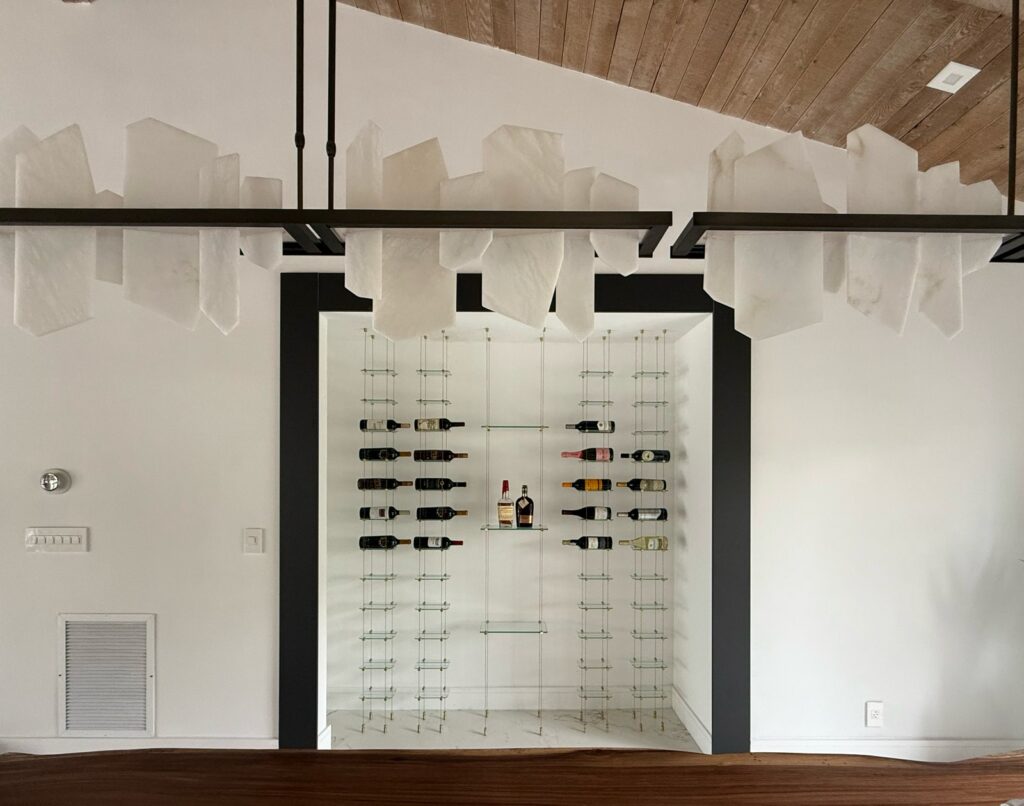
A wine collection deserves more than a place to store bottles—it deserves a display that reflects your style while preserving every vintage. That’s why floating wine racks have become one of the most popular choices for homeowners, interior designers, restaurants, and luxury wine cellars. Their clean, modern appearance creates the illusion that bottles are suspended in midair, transforming wine storage into a striking architectural feature.
One of the most innovative ways to achieve this look is with cable wine rack systems. If you’re new to floating wine storage, this guide explains how cable wine systems work, their benefits, and whether they’re the right solution for your home or commercial wine cellar.
What Is a Floating Wine Rack?
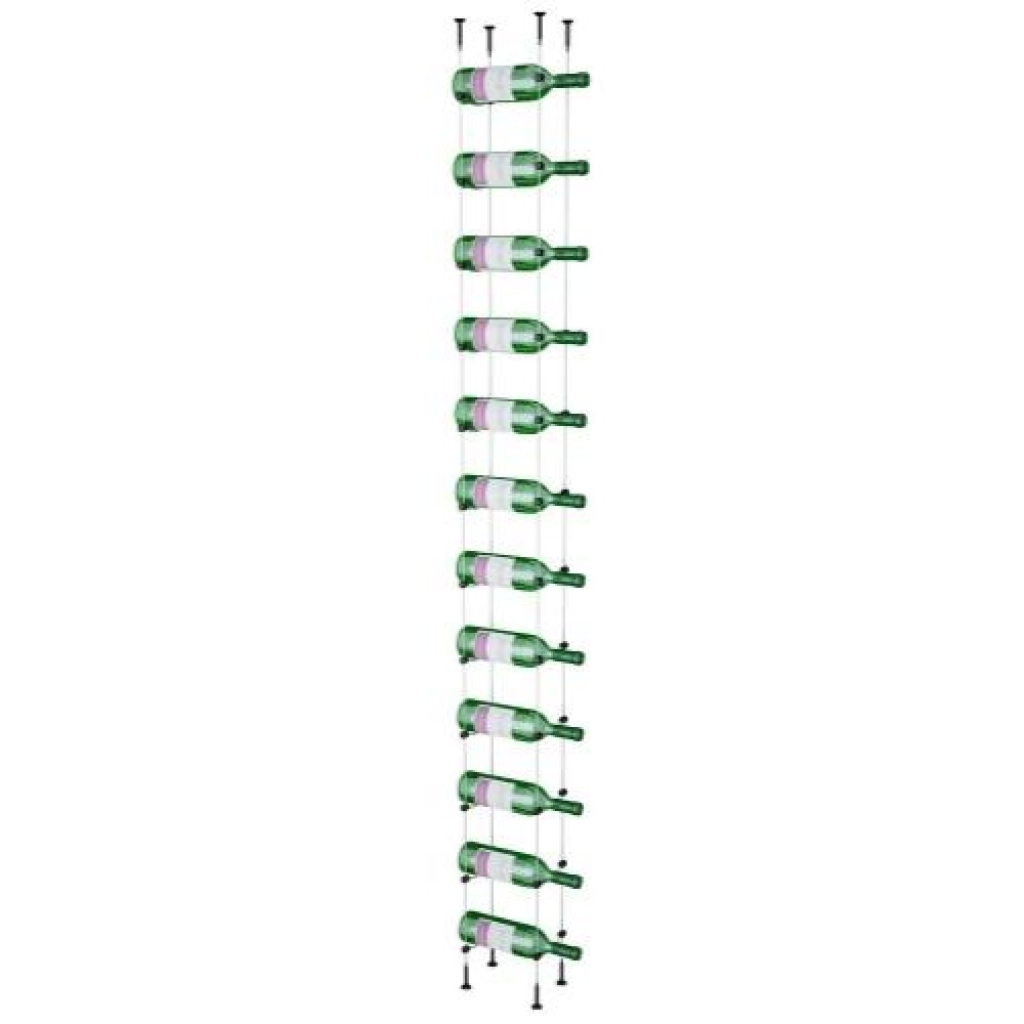
A floating wine rack is a storage system that uses slim vertical cables instead of bulky wood or metal frames. Bottles appear to “float” because the supporting cables are nearly invisible from a distance.
Rather than enclosing the bottles inside traditional shelving, cable wine racks create an open, airy display that showcases each bottle while keeping the overall design light and contemporary.
The result is a gallery-style presentation that works beautifully in:
- Residential wine cellars
- Walk-in glass wine rooms
- Luxury kitchens
- Dining rooms
- Restaurants
- Hotels
- Wine bars
- Retail wine displays
What Is a Cable Wine Rack System?
A cable wine system consists of high-strength stainless steel cables tensioned between the floor and ceiling. Wine bottles are supported by precision-engineered bottle cradles or rods attached directly to the cables.
Unlike traditional wine racks that require full side panels and shelving, cable systems use minimal hardware while maintaining excellent structural strength.
This design creates:
- Maximum bottle visibility
- Open sightlines
- Modern architectural appeal
- Flexible layouts
- Custom storage configurations
Because the cables occupy very little visual space, the wine bottles become the centerpiece.
How Do Cable Wine Racks Work?
The cables are securely anchored at both the floor and ceiling using tension mounts.
Once installed, bottle supports are positioned at specific intervals along the cables to hold each bottle securely.
Most systems can be customized for:
- Floor-to-ceiling installations
- Wall-mounted displays
- Room dividers
- Glass wine walls
- Under-stair wine storage
- Corner displays
- Commercial feature walls
Many premium systems can also be extended to accommodate ceilings up to 20 feet tall with specialized hardware.
Why Are Floating Wine Racks So Popular?
1. Contemporary Design
Cable wine racks complement modern architecture with clean lines and minimal visual clutter.
Instead of hiding the collection, they showcase it.
They pair exceptionally well with:
- Frameless glass
- Stone walls
- Wood paneling
- LED lighting
- Luxury kitchens
2. Creates the Illusion of More Space
Traditional wine racks can make a room feel crowded.
Floating cable systems maintain open sightlines, making even smaller wine rooms feel larger and brighter.
This is especially valuable in:
- Condominiums
- Apartments
- Urban homes
- Compact wine cellars
3. Fully Customizable
One of the biggest advantages of cable wine systems is flexibility.
They can be designed to fit virtually any space, including:
- Entire wine rooms
- Hallways
- Staircases
- Dining rooms
- Home bars
- Commercial wine displays
Whether storing 50 bottles or 5,000 bottles, the layout can be customized around your collection.
4. Perfect for Glass Wine Cellars
Modern glass wine rooms have become one of today’s most requested luxury home features.
Cable wine racks enhance this design because they don’t obstruct the view through the glass.
Instead, they allow your collection to remain visible from every angle.
The result is an elegant wine display that feels open rather than enclosed.
Are Cable Wine Racks Strong?
Absolutely.
Although they appear delicate, professionally engineered cable wine systems are extremely durable.
High-quality stainless steel cables are designed to support significant weight while maintaining proper tension.
When installed correctly, they provide years of reliable performance.
What Types of Bottles Can They Hold?
Most cable wine systems accommodate:
- Standard Bordeaux bottles
- Burgundy bottles
- Champagne bottles
- Sparkling wine bottles
- Magnum bottles (with appropriate accessories)
Some systems also include custom display options for oversized bottles.
Where Can Floating Wine Racks Be Installed?
One of their greatest strengths is versatility.
Popular installation locations include:
- Walk-in wine cellars
- Glass wine rooms
- Home bars
- Kitchen feature walls
- Dining rooms
- Living rooms
- Commercial tasting rooms
- Restaurants
- Hotels
- Luxury retail stores
Because they occupy very little floor space, they’re ideal for both small and large projects.
Cable Wine Racks vs. Traditional Wine Racks
| Feature | Cable Wine Racks | Traditional Wine Racks |
|---|---|---|
| Appearance | Modern, floating | Classic and enclosed |
| Visual Impact | High | Moderate |
| Space Efficiency | Excellent | Good |
| Bottle Visibility | Outstanding | Limited |
| Works with Glass Walls | Excellent | Good |
| Customization | Extensive | Extensive |
| Contemporary Design | ★★★★★ | ★★☆☆☆ |
Are Floating Wine Racks Good for Long-Term Wine Storage?
Yes.
The rack itself does not determine how well wine ages.
Proper storage depends on maintaining:
- Temperature around 55°F
- Humidity between 60%–70%
- Minimal vibration
- UV protection
- Proper insulation
- A reliable wine cellar cooling system
When installed in a climate-controlled wine cellar, floating cable racks provide excellent long-term storage while offering exceptional visual appeal.
Standard vs. Premium Cable Wine Systems
Not all cable wine racks are the same.
Standard Cable Systems
- Clean, minimalist appearance
- Excellent value
- Ideal for most residential installations
- Supports floor-to-ceiling displays
Premium Cable Systems
Premium systems typically feature concealed hardware and refined tension mounts for a cleaner architectural finish.
Additional benefits include:
- Luxury appearance
- Higher-end finishes
- Greater installation flexibility
- Suitable for taller ceilings
- Preferred for upscale residential and commercial projects
Who Should Choose a Floating Wine Rack?
Floating cable wine systems are ideal for:
- Wine collectors
- Luxury homeowners
- Interior designers
- Architects
- Builders
- Restaurants
- Hotels
- Wine bars
- Commercial tasting rooms
If your goal is to create a wine display that is both functional and visually stunning, a cable wine rack system offers one of the most sophisticated solutions available.
Tips for Planning a Floating Wine Display
Before choosing a cable wine system, consider:
- The number of bottles you plan to store
- Whether your collection will grow over time
- Available wall height and ceiling height
- Desired bottle orientation
- Lighting placement
- Cooling system location
- Glass enclosure design
- Future expansion possibilities
Working with an experienced wine cellar designer ensures your display is both structurally sound and aesthetically balanced.
Final Thoughts
Floating wine racks have transformed the way wine collections are displayed. By replacing bulky shelving with sleek stainless steel cables, these systems create an elegant floating effect that complements modern interiors while maximizing visibility and space.
Whether you’re designing a compact home wine nook, a dramatic walk-in glass wine cellar, or a commercial tasting room, a cable wine system delivers the perfect blend of contemporary style, flexibility, and long-lasting performance. With professional design and climate-controlled storage, your floating wine rack can become the centerpiece of a wine cellar that protects your collection while making an unforgettable visual statement.