
Call Us 📞 800-323-3130
Mon–Fri 8am–6pm CST, Sat–Sun 9am–1pm CST
Free design consultations
Showrooms in Miami & Fort Lauderdale
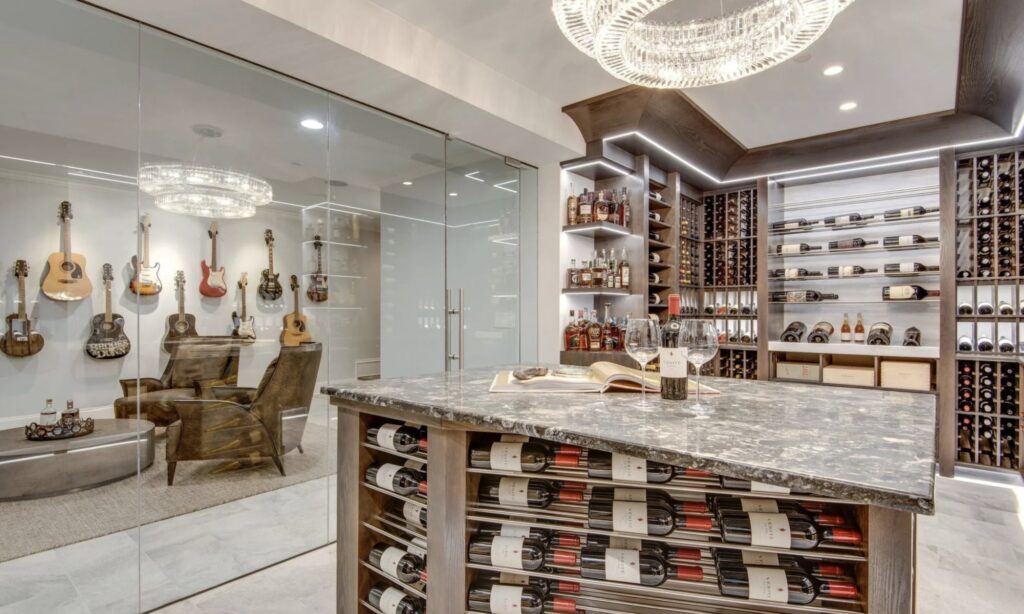
Building a wine room in a humid coastal region can be incredibly rewarding—but it also comes with unique challenges. High humidity, salt-laden air, and year-round warm temperatures can impact your wine cellar’s performance if it’s not designed and installed correctly.
Whether you live in Florida, along the Gulf Coast, or another coastal climate, following proven installation practices will protect both your wine collection and your investment. From insulation and vapor barriers to cooling systems and glass enclosures, every component plays a critical role in maintaining a stable storage environment.
In this guide, we’ll cover the best practices for installing wine rooms in humid coastal areas and explain how a professionally designed wine cellar can provide decades of reliable performance.
Coastal regions experience consistently high humidity levels, often exceeding 70–90% throughout the year. Warm outdoor temperatures combined with humid air create significant pressure on climate-controlled wine rooms.
Without proper construction, you may experience:
Condensation on glass walls and doors
Mold and mildew growth
Warped wood wine racks
Reduced cooling system efficiency
Excessive energy consumption
Moisture damage to walls and ceilings
Premature equipment failure
A successful wine room is built to prevent moisture from entering while maintaining a stable environment of approximately 55°F and 60–70% relative humidity.
One of the biggest mistakes homeowners make is selecting a cooling unit based only on the room’s square footage or bottle capacity.
Professional designers calculate the total heat load by considering:
Room dimensions
Ceiling height
Number of exterior walls
Amount of glass
Local climate conditions
Insulation values
Door openings
Lighting
Equipment inside the room
These calculations ensure the cooling system is properly sized to maintain consistent temperatures even during the hottest and most humid months. Get a free heatload calculation & expert wine cooling solutions advice from our experts today.
Insulation is the foundation of every climate-controlled wine room.
For humid coastal areas, closed-cell spray foam insulation is often the preferred solution because it:
Creates an excellent thermal barrier
Resists moisture absorption
Reduces air infiltration
Improves energy efficiency
Helps prevent condensation inside walls
Rigid foam insulation can also perform well when installed correctly, but any gaps or air leaks should be carefully sealed.
Proper insulation reduces the workload on the cooling system while maintaining stable temperatures year-round.
A vapor barrier is one of the most important components of a coastal wine room.
Warm, humid air naturally moves toward cooler spaces. Without a continuous vapor barrier, moisture can migrate into the wall cavity where it condenses and causes hidden damage.
A properly installed vapor barrier should:
Completely surround the conditioned space
Include sealed seams
Extend behind all wall finishes
Integrate around electrical penetrations
Cover ceilings as well as walls
Skipping this step often leads to expensive repairs years after installation.
Not every cooling system is designed for humid coastal environments.
The best systems are specifically engineered for wine cellars and provide:
Accurate temperature control
Consistent humidity management
Reliable operation in warm climates
Quiet performance
Proper air circulation
Depending on your wine room, suitable options may include:
Self-contained cooling systems
Split wine cooling systems
Fully ducted cooling systems
Ceiling-mounted cooling units
The ideal choice depends on your room size, available mechanical space, and desired noise level.
Modern wine rooms often feature stunning glass walls and doors, but coastal installations require insulated glass.
Double-pane insulated glass helps:
Reduce condensation
Improve energy efficiency
Minimize heat transfer
Maintain stable cellar temperatures
Protect against humidity infiltration
Low-E insulated glass provides even greater thermal performance while preserving the elegant appearance of a glass wine room. Get a Free Custom Glass Doors Quote today from our glass experts.
Every material inside the wine room should withstand elevated humidity.
Popular choices include:
Marine-grade hardware
Moisture-resistant drywall where appropriate
These materials maintain their appearance and structural integrity even under demanding environmental conditions.
Good airflow allows the cooling system to maintain uniform temperatures throughout the cellar.
Proper airflow involves:
Correct evaporator placement
Unobstructed return air paths
Balanced air distribution
Adequate spacing around wine racks
Professional duct design for ducted systems
Poor airflow can create hot spots and uneven cooling that negatively affect wine storage.
Even small air leaks allow humid outdoor air to enter the cellar.
Professional installers carefully seal:
Electrical outlets
Plumbing penetrations
Ceiling joints
Door frames
Window frames
HVAC penetrations
Creating an airtight envelope significantly improves cooling performance while reducing energy costs.
Homes near the ocean are exposed to airborne salt, which accelerates corrosion.
To maximize equipment lifespan:
Install condensers in protected locations
Perform regular maintenance
Clean coils periodically
Inspect outdoor equipment annually
Choose corrosion-resistant components whenever possible
Routine maintenance helps cooling systems operate efficiently for many years.
Humidity control is a specialized field. Even premium equipment cannot compensate for poor construction practices.
Experienced wine cellar professionals understand how to:
Calculate cooling loads
Design vapor barriers
Select proper insulation
Recommend the right cooling system
Coordinate electrical and HVAC requirements
Design attractive, functional wine storage
Prevent long-term moisture problems
Professional planning often saves thousands of dollars by avoiding costly repairs and equipment replacements. Get a free custom wine cellar design & consultation today.
Avoid these frequent mistakes when building a coastal wine room:
Using standard residential insulation
Omitting the vapor barrier
Installing single-pane glass
Oversizing or undersizing the cooling unit
Ignoring humidity levels
Failing to seal air leaks
Blocking cooling airflow with wine racks
Hiring contractors unfamiliar with wine cellar construction
Preventing these issues from the start results in a more efficient, longer-lasting wine room.
At Cool Wine Cellar, we specialize in designing and building custom wine rooms for challenging coastal environments. Our turnkey services include heat-load calculations, custom wine cellar design, premium wine racks, insulated glass enclosures, climate-controlled cooling systems, and professional installation.
Whether you’re building a contemporary glass wine room, a traditional wood wine cellar, or a luxury tasting room, our team ensures every detail is engineered to perform in humid coastal climates.
Installing a wine room in a humid coastal area requires much more than selecting beautiful wine racks. Proper insulation, vapor barriers, climate-specific cooling systems, insulated glass, moisture-resistant materials, and professional installation all work together to create the ideal environment for long-term wine storage.
By investing in the right design from the beginning, you’ll enjoy stable temperatures, controlled humidity, lower energy costs, and the peace of mind that your wine collection is protected for years to come.
If you’re planning a wine room in Florida or another coastal location, contact Cool Wine Cellar for expert guidance and complete turnkey wine cellar solutions tailored to your home and climate.