
Call Us 📞 800-323-3130
Mon–Fri 8am–6pm CST, Sat–Sun 9am–1pm CST
Free design consultations
Showrooms in Miami & Fort Lauderdale
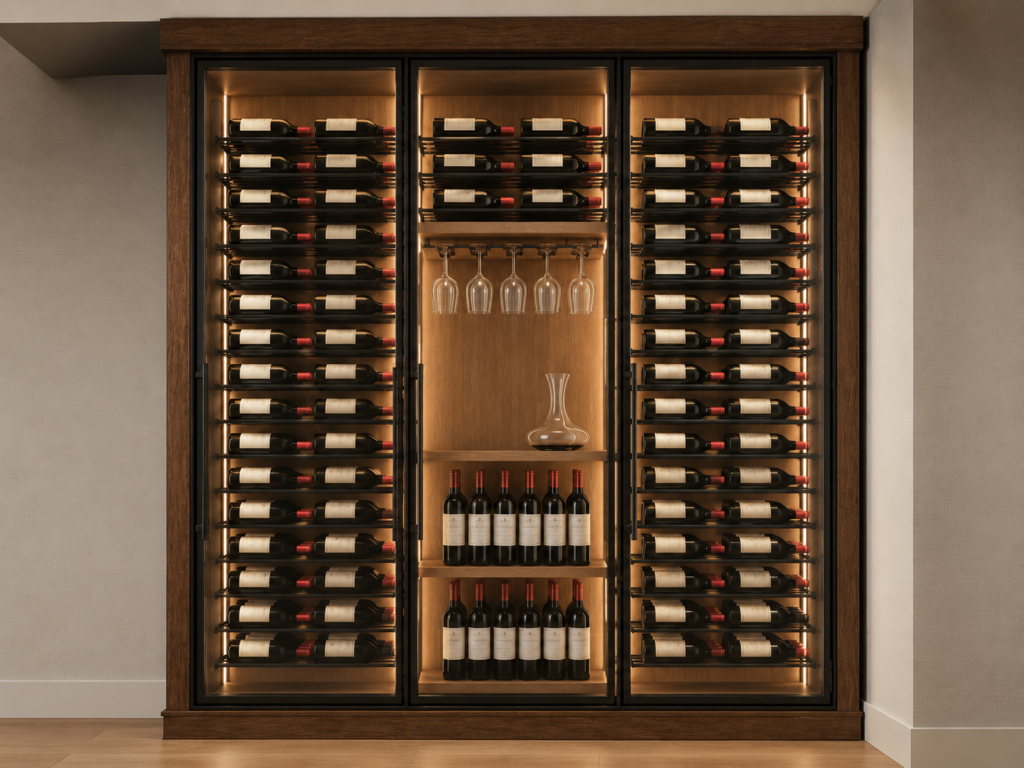
A stylish wine cabinet is more than a place to store bottles—it’s a statement piece that combines elegant design with practical wine preservation. Whether you’re furnishing a modern apartment, creating a luxury home bar, or displaying a growing wine collection, the right wine cabinet can enhance your décor while protecting your investment.
This guide explores the most popular styles, essential features, and buying tips to help you choose the perfect wine cabinet for your home.
Unlike a standard wine rack, many modern wine cabinets offer enclosed storage with added protection from light, dust, and temperature fluctuations. Premium climate-controlled models also regulate temperature, humidity, and vibration to help preserve wine quality over time.
A quality wine cabinet offers:
Modern Minimalist Wine Cabinets
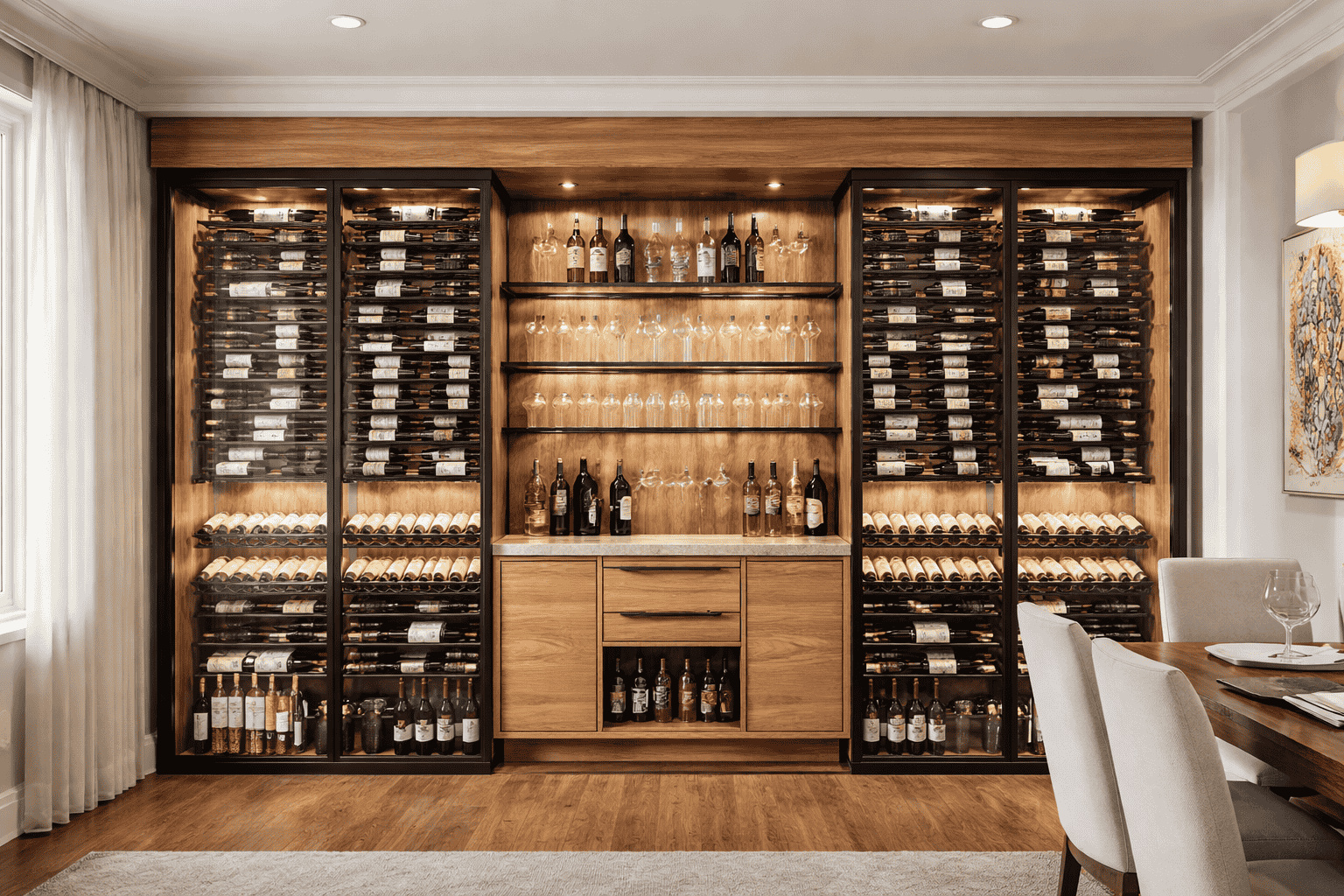
Minimalist wine cabinets feature clean lines, matte finishes, and simple hardware that blend seamlessly into contemporary homes.
Common features include:
These cabinets pair well with modern kitchens, open-concept living spaces, and luxury condos.
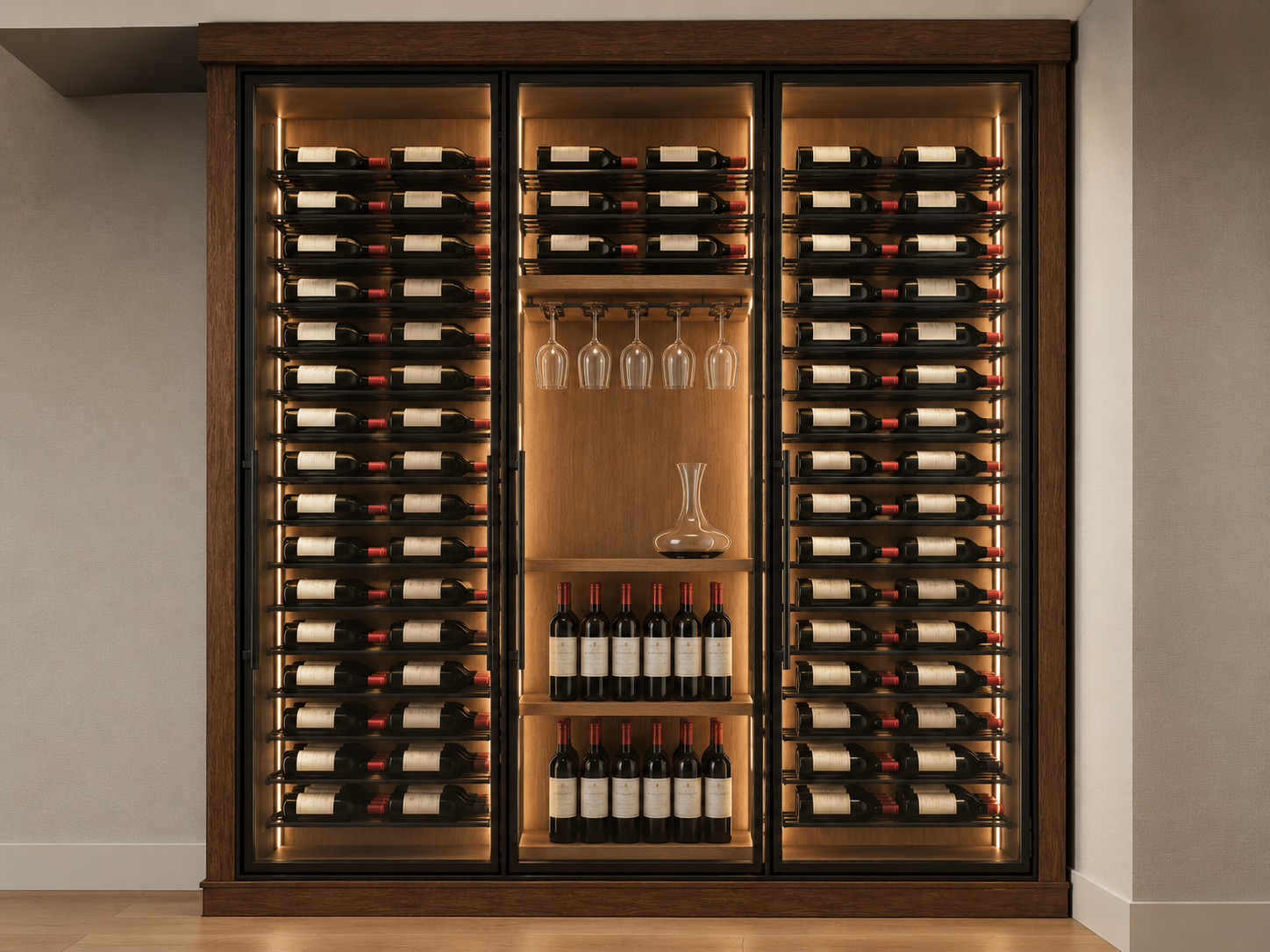
Glass-front cabinets allow you to showcase your collection while protecting bottles behind insulated or UV-resistant glass.
They often include:
Glass display cabinets are perfect for collectors who want their wine to become part of the home’s interior design.
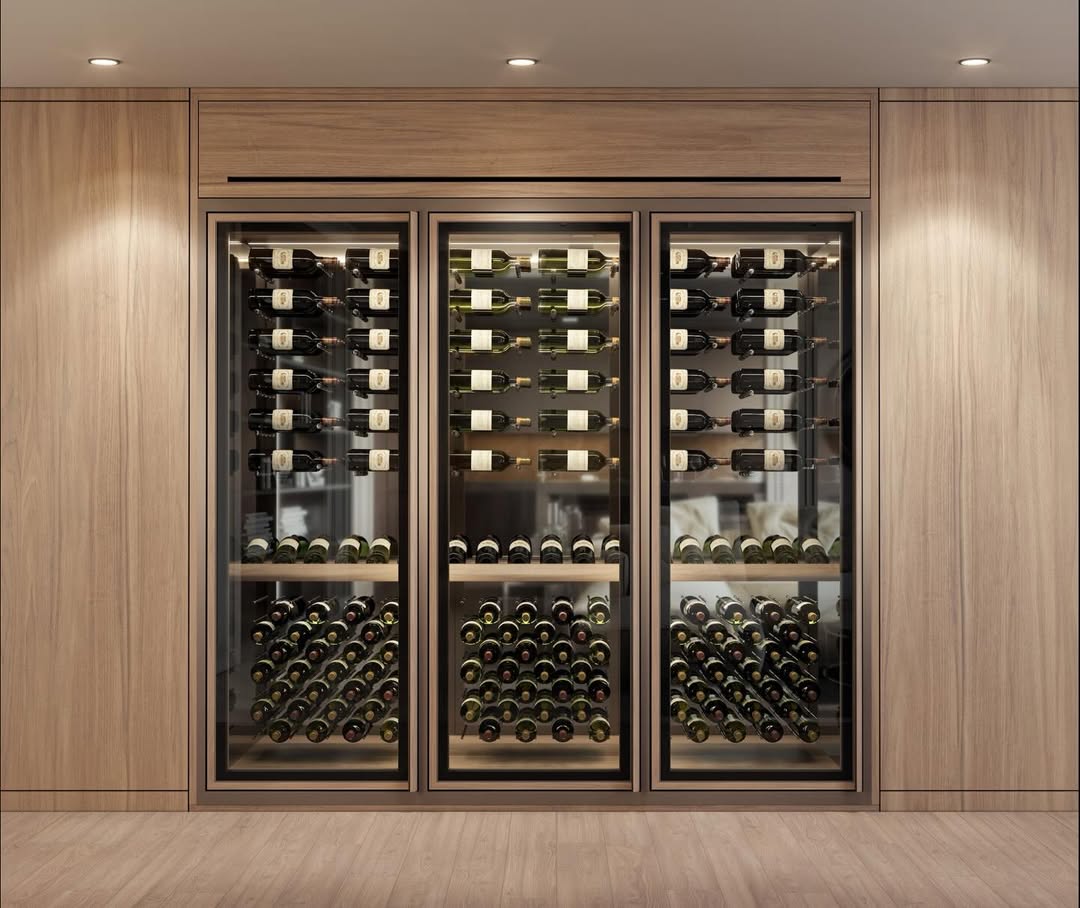
Built-in cabinets create a custom appearance by integrating directly into kitchen cabinetry or home bars.
Benefits include:
Many homeowners install built-in wine cabinets beneath countertops or alongside refrigerators.

Freestanding cabinets provide flexibility since they don’t require custom cabinetry.
They work well in:
Freestanding models are available in a wide range of sizes, finishes, and capacities.
Traditional Wood Wine Cabinets
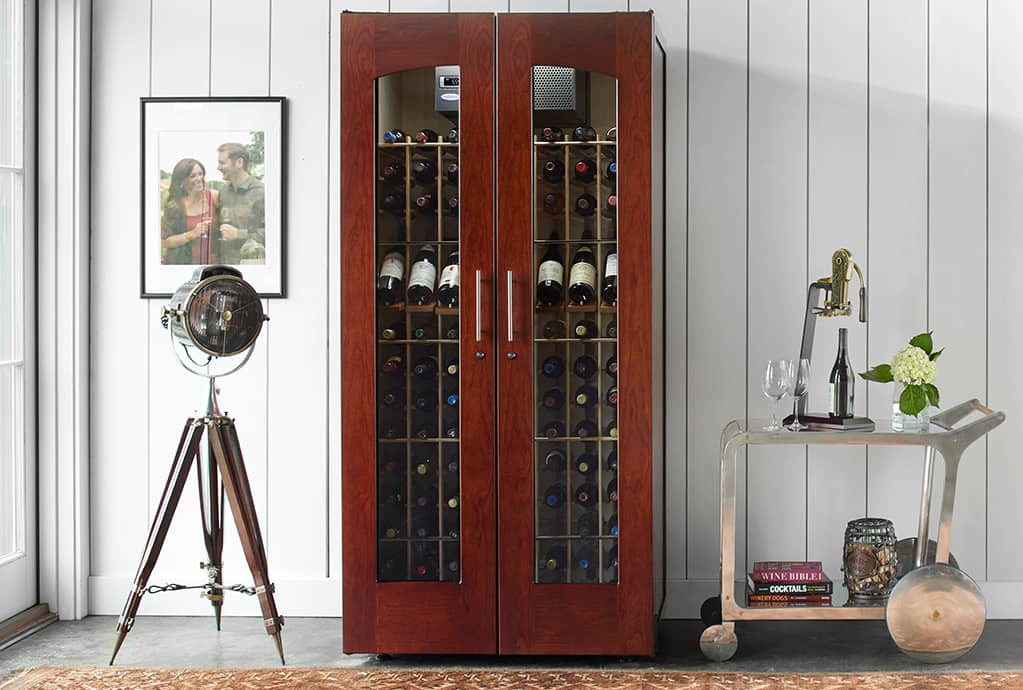
Solid wood cabinets remain a timeless choice for classic interiors.
Popular wood species include:
Decorative moldings, raised panels, and rich stains complement traditional and transitional homes.
Selecting the proper size depends on both your available space and the size of your wine collection.
Small Wine Cabinets (12–30 Bottles)
Best for:
Ideal if you enjoy keeping a selection of wines ready to serve.
Medium Wine Cabinets (30–75 Bottles)
Perfect for:
These offer an excellent balance between capacity and floor space.
Large Wine Cabinets (100+ Bottles)
Designed for:
Many include multiple temperature zones, display shelving, and premium finishes.
Experts also recommend buying slightly more capacity than you currently need because wine collections often grow over time.
Decorative Wine Cabinets
Decorative cabinets focus primarily on appearance.
Suitable for:
These typically do not regulate temperature or humidity.
Climate-Controlled Wine Cabinets
Climate-controlled cabinets maintain ideal storage conditions for long-term wine preservation.
Benefits include:
Collectors storing premium or age-worthy wines should consider climate-controlled models.
A stylish wine cabinet should combine beauty with functionality.
Key features include:
Solid Wood
Offers warmth, durability, and timeless appeal.
Best for:
Metal
Modern steel cabinets provide:
Glass
Glass doors create an open, elegant display while allowing you to showcase your collection.
Premium cabinets often use insulated, UV-resistant glass for added protection.
Choose a cabinet that complements your existing décor.
Contemporary Homes
Look for:
Traditional Homes
Choose:
Industrial Interiors
Consider:
Luxury Homes
Premium wine cabinets often feature:
The ideal location depends on your lifestyle and available space.
Popular locations include:
Avoid placing a wine cabinet in direct sunlight or next to ovens, fireplaces, or heating vents, as excessive heat can affect wine quality.
What is the difference between a wine cabinet and a wine refrigerator?
A decorative wine cabinet primarily provides organized storage and enhances your home’s décor, while a wine refrigerator or climate-controlled wine cabinet actively regulates temperature and, in many premium models, humidity to preserve wine.
Are wine cabinets suitable for long-term wine storage?
Climate-controlled wine cabinets are ideal for long-term storage because they maintain stable conditions. Decorative cabinets are better suited for short-term storage unless they are located in a naturally cool environment.
How many bottles should my wine cabinet hold?
Choose a cabinet that holds at least 25–50% more bottles than your current collection. Most wine enthusiasts expand their collections over time.
Are built-in wine cabinets better than freestanding models?
Neither is universally better. Built-in cabinets provide a seamless custom appearance, while freestanding models offer greater flexibility if you move or redesign your space.
What style of wine cabinet is most popular?
Modern cabinets with glass doors, black metal accents, LED lighting, and natural wood shelving remain among the most sought-after styles because they blend easily with contemporary interiors.
A stylish wine cabinet is both a functional storage solution and a sophisticated design feature. Whether you prefer a sleek modern display, a classic hardwood cabinet, or a fully climate-controlled unit, the right choice depends on your collection size, available space, and interior style. By prioritizing quality materials, thoughtful storage features, and proper wine preservation, you can enjoy a cabinet that protects your collection while elevating the look of your home for years to come.