
Call Us 📞 800-323-3130
Mon–Fri 8am–6pm CST, Sat–Sun 9am–1pm CST
Free design consultations
Showrooms in Miami & Fort Lauderdale
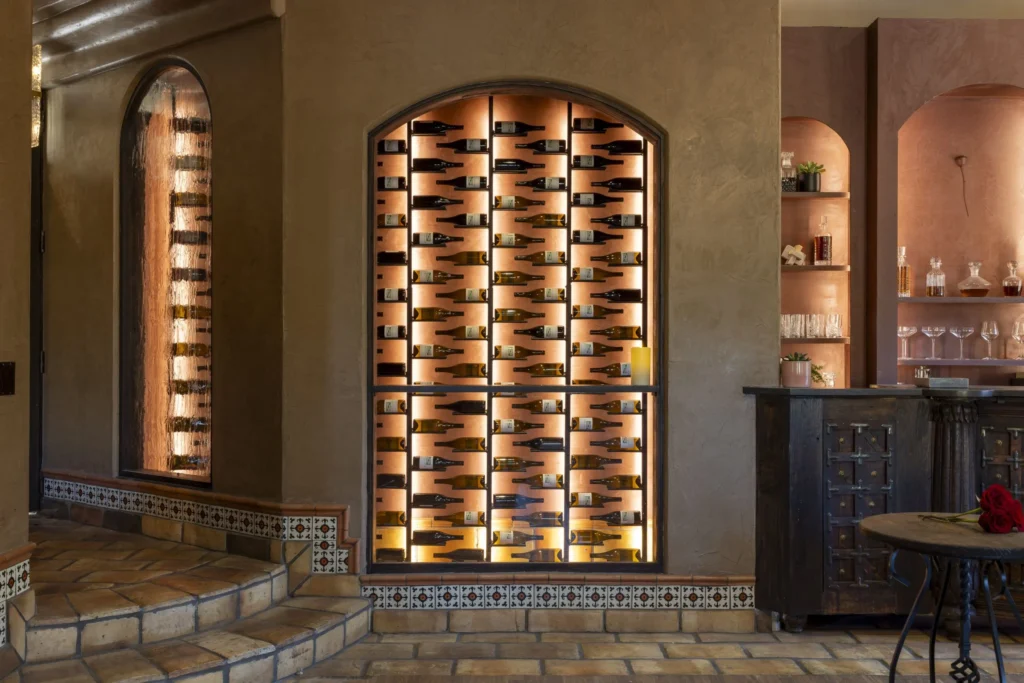
Glass wine rooms have become a defining feature of modern luxury homes. Floor-to-ceiling glass walls, frameless glass doors, and sleek wine displays create a stunning visual showcase for a wine collection. However, while glass enhances aesthetics, it also presents unique insulation challenges that must be addressed to maintain proper wine storage conditions.
Understanding how glass doors and panels affect insulation can help you design a wine room that is both beautiful and functional.
Wine requires a stable environment to age properly. Most wine cellars are designed to maintain temperatures between 55°F and 58°F with humidity levels between 50% and 70%.
Proper insulation helps:
Maintain consistent temperatures
Reduce cooling system workload
Improve energy efficiency
Control humidity levels
Protect wine from temperature fluctuations
When insulation is inadequate, the cooling unit must work harder to compensate for heat transfer, increasing energy consumption and reducing system longevity.
Traditional wine cellar walls typically contain insulated framing, vapor barriers, and drywall or wood finishes. These materials provide excellent resistance to heat transfer.
Glass, on the other hand, naturally conducts more heat than insulated walls. As a result, glass doors and panels allow more thermal exchange between the wine room and surrounding living spaces.
This increased heat gain means:
More cooling capacity is required
Temperature stability becomes more challenging
Cooling systems may run more frequently
Energy costs can increase
For this reason, glass wine rooms require careful planning during the design phase.
Not all glass performs the same.
Modern wine room enclosures typically use insulated glass units (IGUs), which consist of two panes of glass separated by an air or gas-filled space.
Benefits of insulated glass include:
Reduced heat transfer
Improved energy efficiency
Better temperature stability
Reduced condensation risk
Enhanced comfort around the enclosure
Double-pane insulated glass is considered the minimum standard for most climate-controlled wine rooms. Get a free Insulated Glass Enclosure quote today.
Low-emissivity (Low-E) coatings are microscopic layers applied to glass surfaces that help reduce heat transfer.
Low-E glass can:
Reflect unwanted heat
Improve energy efficiency
Reduce UV exposure
Help maintain cellar temperatures
In homes with large windows, strong sunlight, or warm climates, Low-E glass can significantly improve wine room performance.
Even the highest-quality insulated glass will perform poorly if the door system is not properly sealed.
Wine room doors should include:
Tight weatherstripping
Proper threshold seals
Quality hinges and hardware
Precision installation
Air leaks around glass doors can allow warm air to enter the cellar and conditioned air to escape, reducing efficiency and increasing cooling demands.
One of the most common issues with glass wine rooms is condensation.
Condensation occurs when warm, humid air contacts a cooler glass surface. This can lead to:
Water droplets on glass
Reduced visibility
Potential damage to nearby finishes
Increased maintenance requirements
Proper insulation, humidity control, and correctly sized cooling systems help minimize condensation issues.
Some projects may benefit from thermally broken frames or upgraded insulated glass packages to further reduce condensation risks.
Because glass transfers more heat than insulated walls, wine rooms with extensive glass often require larger cooling systems.
Heat load calculations become especially important when designing:
Full glass wine rooms
Frameless glass enclosures
Glass doors with sidelights
Floor-to-ceiling glass walls
A professional heat load calculation helps determine the appropriate cooling unit size based on the amount of glass used in the project.
Several design choices can improve the insulation performance of glass wine rooms:
Use Double-Pane or Triple-Pane Glass
Additional glass layers create better thermal barriers and reduce heat transfer.
Minimize Direct Sunlight
Avoid placing glass wine rooms in areas exposed to prolonged sunlight whenever possible.
Install Quality Door Seals
Proper weatherstripping prevents unwanted air infiltration.
Use Thermally Broken Frames
These specialized frames reduce heat transfer through metal components.
Conduct a Professional Heat Load Calculation
Every glass wine room is unique. Proper cooling system sizing is essential for maintaining ideal storage conditions. Contact us today to get a free heatload calculation for your wine room.
“Glass Wine Rooms Cannot Be Properly Insulated”
Modern insulated glass technology allows glass wine rooms to perform exceptionally well when designed correctly.
“All Glass Performs the Same”
Glass performance varies significantly based on thickness, coatings, insulation, and manufacturing methods.
“The Cooling Unit Can Compensate for Poor Glass Design”
Even the best cooling system cannot fully overcome poorly insulated glass enclosures. Proper enclosure design remains critical.
Glass doors and panels undoubtedly affect insulation in a wine room, but they do not prevent a cellar from maintaining ideal storage conditions. With insulated glass, proper sealing, quality construction, and correctly sized cooling equipment, homeowners can enjoy the elegance of a glass wine room without sacrificing performance.
The key is understanding that glass wine rooms require specialized design considerations. When planned properly, they can provide both stunning visual appeal and reliable climate control, creating the perfect environment for storing and displaying your wine collection. Get a free Insulated Glass Enclosure quote today.