
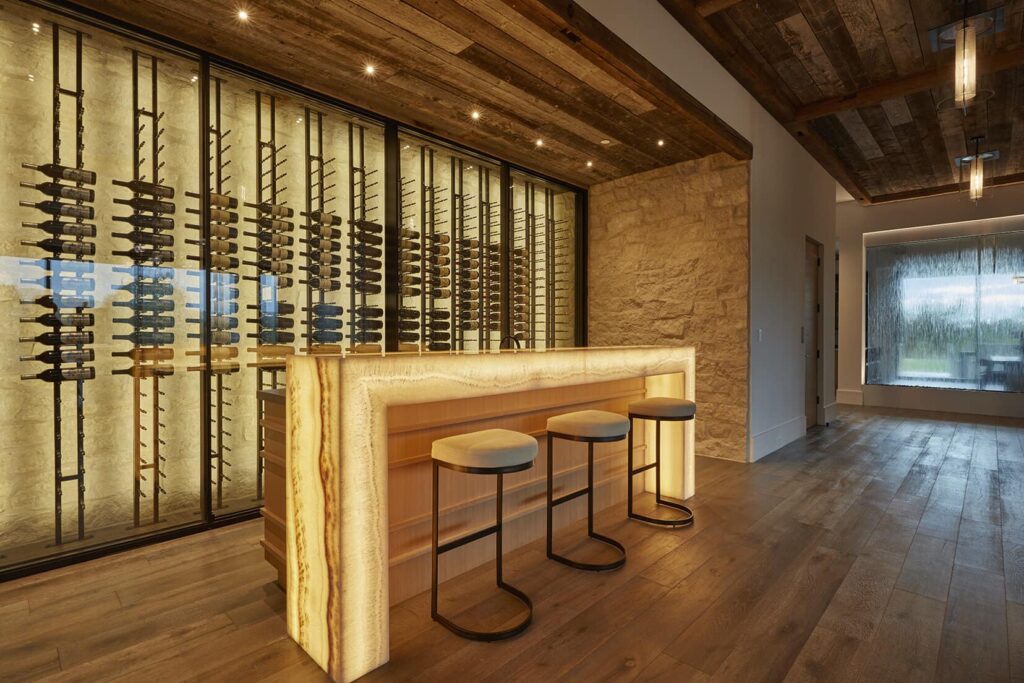
Glass wine walls have become one of the most desirable features in modern luxury homes. They combine elegant wine storage with contemporary architectural design, transforming ordinary spaces into stunning visual centerpieces. From floor-to-ceiling wine displays in dining rooms to dramatic glass-enclosed wine cellars in living spaces, these installations add sophistication and value to a home.
However, while aesthetics are important, safety should always be a top priority when designing and installing a glass wine wall. Proper planning, engineering, and professional installation are essential to ensure the structure is secure, durable, and compliant with building standards.
Why Safety Matters in Glass Wine Wall Design
Glass wine walls are more than decorative features. They often involve:
- Large glass panels
- Heavy wine bottle loads
- Metal support systems
- Climate-controlled environments
- Integrated lighting and cooling systems
A poorly designed installation can create risks related to structural stability, glass integrity, temperature management, and long-term durability.
Professional design and engineering help ensure the wine wall is both visually stunning and safe for everyday residential use.
Use Tempered or Laminated Safety Glass
One of the most important safety considerations is selecting the correct type of glass.
Luxury residential wine walls typically use:
- Tempered glass
- Laminated glass
- Double-pane insulated glass
Tempered Glass
Tempered glass is heat-treated to increase strength. If broken, it shatters into small, less dangerous fragments rather than sharp shards.
Benefits include:
- Increased impact resistance
- Improved durability
- Better safety performance
Laminated Glass
Laminated glass contains an interlayer that holds the glass together if breakage occurs.
Advantages include:
- Additional security
- Reduced risk of falling glass
- Improved insulation
- Better UV protection
In many residential applications, laminated tempered glass provides the highest level of safety and performance.
Ensure Proper Structural Support
Wine bottles are surprisingly heavy. Large wine walls can hold hundreds or even thousands of pounds once fully loaded.
Structural considerations include:
- Wall reinforcement
- Floor load capacity
- Ceiling anchoring
- Rack attachment systems
- Glass panel support engineering
Custom wine racks and glass enclosures should always be professionally engineered to support the intended bottle capacity safely.
This is especially important for:
- Floor-to-ceiling wine walls
- Floating wine rack systems
- Staircase wine displays
- Suspended glass enclosures
Consider Earthquake and Vibration Protection
In some regions, seismic activity and vibration protection are important safety concerns.
Professional wine wall systems may include:
- Seismic bottle retention features
- Reinforced mounting hardware
- Secure rack fastening systems
- Flexible structural supports
Even in non-seismic areas, vibration reduction helps protect wine quality while improving long-term structural integrity.
Use Proper Climate-Controlled Glass Systems
Temperature fluctuations and condensation can create safety and performance issues in glass wine walls.
Improperly designed enclosures may experience:
- Excessive condensation
- Moisture damage
- Glass fogging
- Mold growth
- Thermal stress on glass panels
To prevent these issues, wine walls should include:
- Insulated glass systems
- Proper vapor barriers
- Professional wine cooling systems
- Controlled airflow
- Humidity management
Climate engineering is particularly important for wine walls installed in kitchens, living rooms, and other open-concept spaces.
Prioritize Safe Door and Entry Design
Glass wine cellar doors must be installed with safety and functionality in mind.
Important considerations include:
- Self-closing hinges
- Proper handle placement
- Secure locking systems
- Smooth operation
- Tempered insulated glass doors
Door alignment and sealing are critical for both safety and climate control performance.
Integrate Lighting Safely
Modern wine walls often feature sophisticated LED lighting systems that enhance the visual appeal of the display.
Safe lighting design should include:
- Low-heat LED fixtures
- Proper electrical installation
- Moisture-resistant components
- Concealed wiring
- Accessible maintenance pathways
Excessive heat from lighting can negatively affect wine preservation and potentially damage materials over time.
Plan for Ventilation and Cooling Access
Wine cooling systems require proper airflow and service accessibility.
Hidden cooling systems should still allow:
- Adequate ventilation
- Maintenance access
- Condensation management
- Emergency shutoff accessibility
Professional installation ensures cooling equipment operates efficiently without creating safety hazards behind walls or cabinetry.
Work With Experienced Glass Wine Cellar Designers
Installing a residential glass wine wall requires expertise in:
- Structural engineering
- Glass fabrication
- Climate control
- Wine preservation
- Architectural integration
- Custom metal and rack systems
CoolWineCellar.com specializes in custom glass wine cellar designs for luxury homes. Their team provides professionally engineered wine wall solutions that combine modern aesthetics with proper safety, structural support, and climate-controlled wine storage.
They also offer personalized consultations and custom project quotes for homeowners, designers, builders, and architects seeking high-end residential wine displays.
Why Professional Installation Is Essential
DIY wine wall installations may appear simple, but large glass wine features involve complex technical requirements that should not be overlooked.
Professional installation helps ensure:
- Code compliance
- Structural safety
- Proper cooling performance
- Long-term durability
- Safe glass integration
- Reliable wine preservation
An expertly designed wine wall not only protects the wine collection but also protects the home and the people using the space.
Final Thoughts
Glass wine walls are among the most striking features in modern residential design, but safety and engineering should always come first. The most successful installations combine:
- Premium safety glass
- Proper structural support
- Climate-controlled performance
- Secure wine rack systems
- Professional cooling integration
- Expert installation practices
With careful planning and experienced design professionals, homeowners can enjoy a luxury glass wine display that is both visually stunning and built for long-term safety and performance.